New Research Uncovers Secrets of Ancient Greek Animal Husbandry in Crete
A study of animal remains in Azoria, Crete, reveals that ancient Greeks employed a sophisticated mix of local farming and mobile herd management. This dual approach was critical for supporting communal feasts and reinforcing the political unity of early Greek city-states.

Highlights
- •Archaeological analysis of sheep and goat remains in Azoria, Crete, reveals complex animal husbandry practices.
- •Two distinct management models coexisted: small-scale local farm herds and large, mobile specialized livestock groups.
- •Isotope analysis of teeth confirms different dietary and seasonal movement patterns based on consumption contexts.
- •Public banquets were essential for political cohesion, supported by specialized, large-scale herd management strategies.
Recent archaeological findings in Azoria, Crete, are providing profound insights into the complex nature of ancient Greek animal husbandry. By analyzing the remains of approximately 50 sheep and goats, researchers have uncovered evidence that challenges long-standing assumptions about how early societies managed livestock to support their economic and political structures.
The Evolution of Ancient Greek Animal Husbandry
For decades, scholars have debated two primary models regarding how these ancient communities managed their animals. One perspective suggested that large, semi-nomadic herds moved seasonally between high-altitude pastures and lower plains. An opposing view, championed by experts like Paul Halstead, argued that livestock were typically kept in smaller herds integrated directly into agricultural farms, often feeding on crop residues or fallow land.
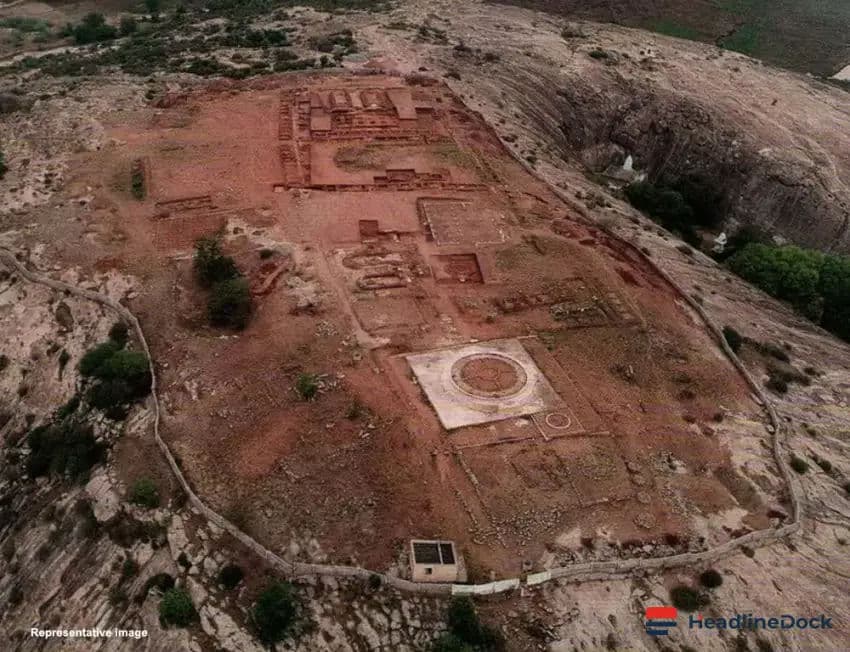
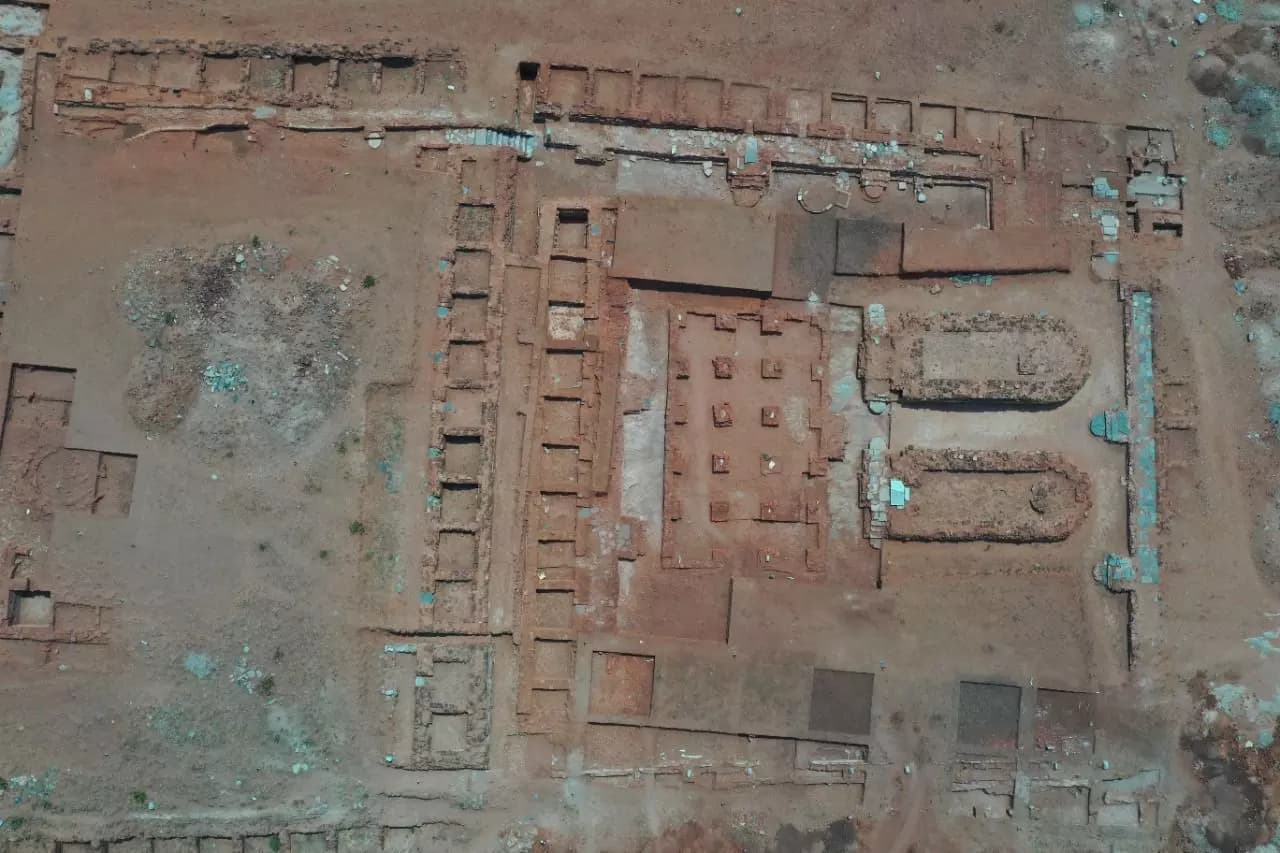
The recent study conducted at Azoria—a site abandoned during the early 5th century BC—offered an ideal laboratory to test these theories. The site provided an exceptionally well-preserved snapshot of daily life, featuring distinct areas for both domestic living and communal public meals. By examining over 200,000 animal remains, the research team discovered that while the species consumed were similar across different social contexts, the management strategies were vastly different.
The team employed advanced stable isotope analysis on the teeth of the animals to reconstruct their diets and mobility patterns. The results were telling: animals consumed in private households showed chemical signatures consistent with local, sedentary farming practices, where they grazed on resources nearby. Conversely, the remains of animals served during large, public communal feasts exhibited isotopic profiles indicative of seasonal transhumance or specialized fodder production.
Understanding Economic and Political Integration
These findings suggest that ancient Greek animal husbandry was a hybrid system, successfully blending small-scale agricultural integration with large-scale, mobile herd management. This complex organization was crucial for the stability of early city-states. The communal feasts, which required significant quantities of meat, appear to have been supported by this specialized, collective management of large livestock herds.
The research emphasizes that the political cohesion of these early Greek cities was deeply tied to their food systems. Citizens were brought together through shared meals, which were made possible by sophisticated and highly organized agricultural strategies. This study underscores that the social and political fabric of the ancient world was not merely a result of ideology, but was firmly grounded in the meticulous management of natural and animal resources.
Ultimately, these revelations highlight that the foodways of Crete and the broader Greek world were far more intricate than previously imagined. By investigating what these ancient animals consumed, historians are gaining a clearer picture of the cooperative efforts that defined the life and culture of these pioneering archaeological communities.