New Research Finds Focus Apps Are Failing Neurodivergent Minds
Recent research from the University of British Columbia suggests that standard focus apps are poorly designed for neurodivergent minds. The study finds that rigid productivity timers often lead to increased feelings of shame, suggesting a need for more flexible, task-based tools to better support all users.
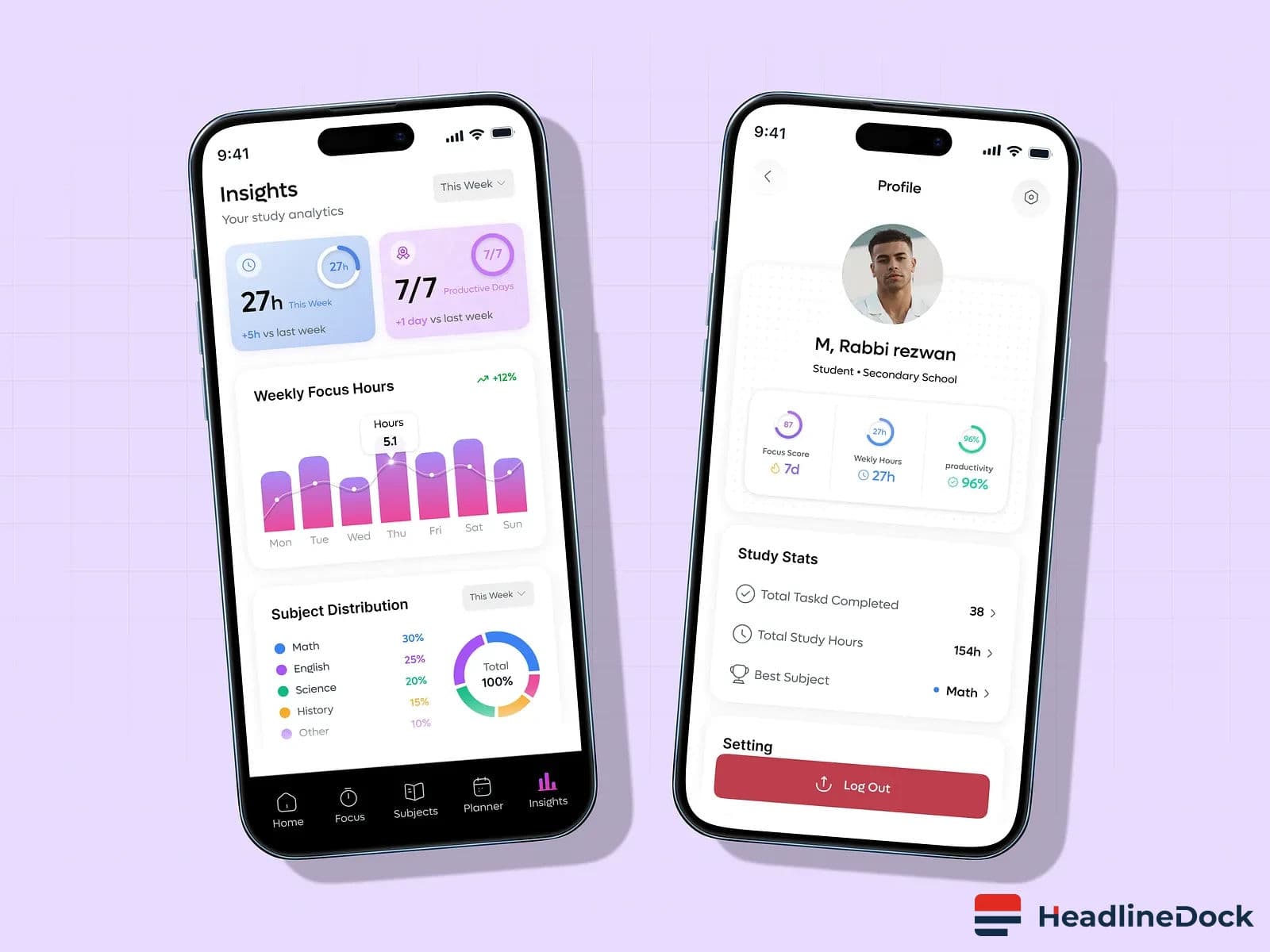
In our modern attention economy, digital tools intended to boost productivity are failing to support neurodivergent individuals. New research indicates that common focus apps often exacerbate feelings of inadequacy and shame rather than helping users manage their time effectively.
Millions of people rely on digital distraction blockers to maintain concentration while working or studying. However, a study conducted at the University of British Columbia highlights that these applications often use rigid designs that clash with neurodivergent thinking patterns. These conditions, which include ADHD, autism spectrum disorder, and generalized anxiety, affect a significant portion of the population. Because many students do not disclose their status, these apps fail to provide the inclusive support required for diverse brain types.
The Inflexibility of Productivity Timers
Many popular focus apps are built on the assumption that productivity functions like a switch, requiring users to sit still for fixed periods without interruption. This approach, exemplified by methods like the Pomodoro Technique, often ignores the reality of executive dysfunction, time blindness, and sensory overstimulation. For many neurodivergent students, attempting to adhere to these strict time limits causes unnecessary stress rather than fostering a productive environment.
The research revealed an unexpected behavior among participants: the intentional disabling of blockers to seek out distractions. While this might appear to be a lack of willpower to an outside observer, the study frames this as "digital stimming." Similar to repetitive behaviors seen in neurodivergent communities to self-regulate, this practice involves engaging with familiar, predictable digital content to ease transitions into complex tasks. Existing tools, however, provide no middle ground, often leading users directly into problematic habits like doomscrolling.
Rethinking Digital Tools for Diverse Minds
The friction experienced when using these blockers often deepens a sense of shame among neurodivergent students, particularly when they struggle to meet the productivity standards imposed by the app. This reliance on tools that feel like a "crutch" can reinforce persistent feelings of inadequacy. To foster truly inclusive and supportive technology, the study suggests moving away from the prevailing all-or-nothing approach.
Future development of focus apps should prioritize more flexible, user-centered designs. This includes supporting curated digital stimming to help users manage cognitive overload, replacing arbitrary timers with task-based goals, and utilizing affirming language that acknowledges the non-linear nature of human focus. By shifting the design philosophy, developers can create tools that empower users to work according to their unique mental needs rather than forcing them to conform to a standard that does not reflect their reality.
,curated_key_highlights:[