Master Active Reading to Effectively Combat Digital Misinformation and Enhance Learning
In an era of digital information overload, active reading is a crucial skill for distinguishing credible news from misinformation. By moving beyond passive skimming to deep engagement, individuals can sharpen their critical thinking, identify bias, and develop the intellectual independence needed to navigate modern media.

Highlights
- •Active reading is essential for identifying misinformation in a digital landscape.
- •Passive reading, or skimming, makes individuals more susceptible to unreliable information.
- •Deep engagement with text fosters stronger critical thinking and reasoning skills.
- •Diverse reading materials reduce bias and improve independent intellectual analysis.
In today's fast-paced digital environment, mastering active reading has become a vital skill for navigating the vast amount of information we encounter daily. While many individuals, particularly within the Gen Z demographic, often turn to social media for news, the reliability of such content is frequently questionable. Data from the Pew Research Centre indicates that younger audiences are more likely to place their trust in social media feeds, even though these platforms often host information with high rates of misinformation.
Transforming Your Habits Through Active Reading
A recent study involving 500 influencers across 45 countries revealed that a significant majority—62 percent—do not conduct thorough fact-checking before disseminating information. This creates an urgent need for critical evaluation skills. Active reading serves as an essential defense, helping individuals distinguish between credible evidence and misleading claims. In contrast, passive reading—often characterized by skimming or scanning content for quick dopamine rewards—conditions the brain to avoid deep engagement. When you read on autopilot, you are far more likely to absorb misinformation without questioning its validity.
To cultivate active reading, one must move beyond mere information absorption and engage intellectually with the text. This involves challenging underlying assumptions, verifying the evidence provided, and testing arguments against your own logic. By taking notes, highlighting essential arguments, and pausing to evaluate an author's potential biases, you transform a simple reading task into a powerful form of critical thinking training. This intentional approach allows you to identify weak reasoning and logically inconsistent claims before you accept them as factual.
Building Cognitive Resilience and Independent Thought
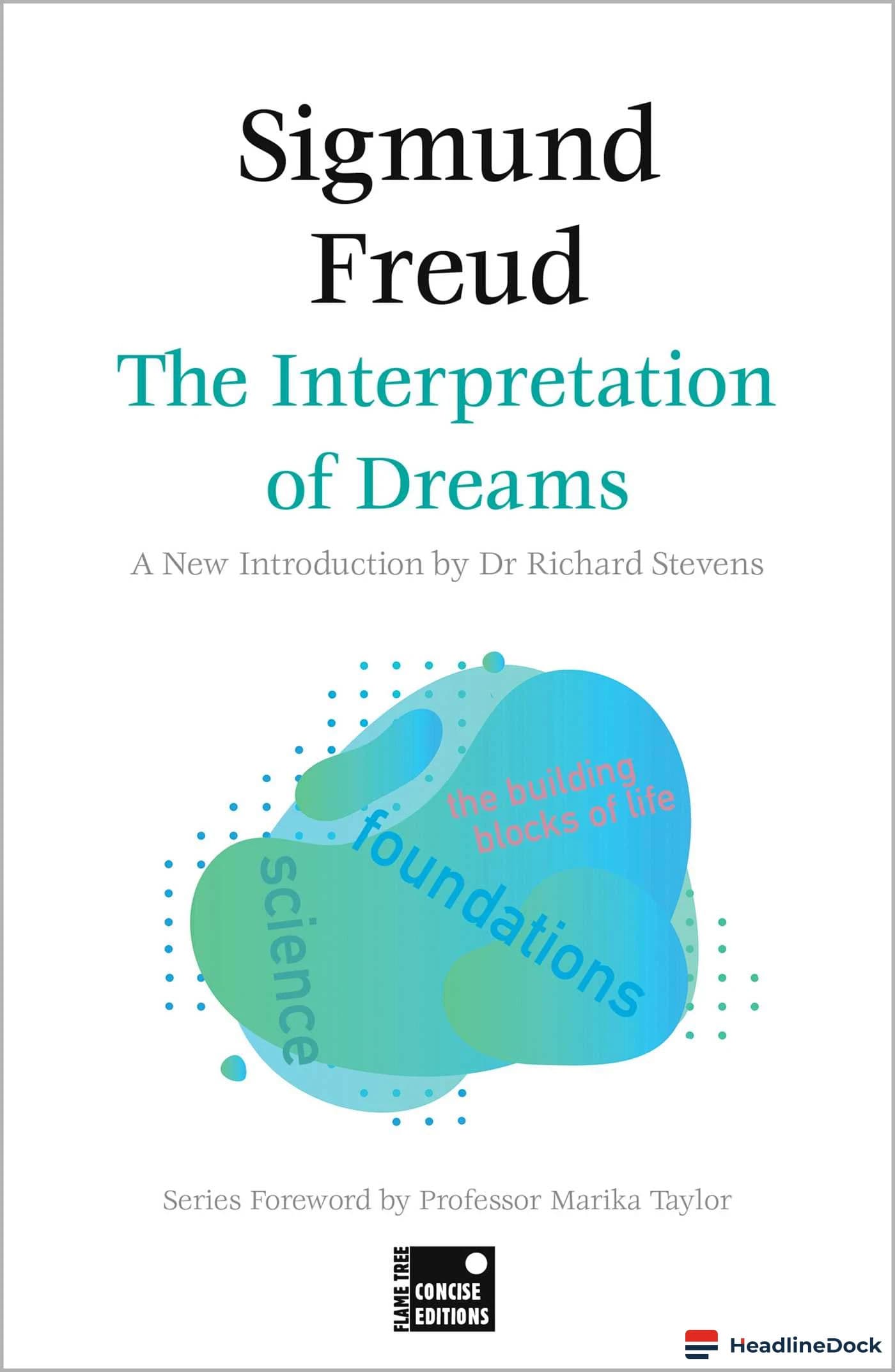
Incorporating evidence-based, non-fiction literature into your regular reading habits is an excellent way to sharpen these analytical capabilities. Such texts encourage you to dissect complex arguments and assess whether conclusions are supported by hard facts rather than mere opinion. Furthermore, seeking out diverse perspectives from authors with varying cultural, ideological, and professional backgrounds can significantly reduce your susceptibility to confirmation bias, a common trap in the digital age.
Ultimately, the goal of transitioning from a passive scroller to an engaged reader is to develop greater intellectual flexibility and independence. In a world saturated with constant information, the ability to question, analyze, and verify is an indispensable asset. Whether through individual effort or by participating in reading communities that test interpretations against others, cultivating this discipline ensures that your consumption of information remains thoughtful and grounded in reality. By making the conscious choice to practice active reading, you are investing in your own ability to think independently and navigate the modern world with greater clarity.