Major Uro-Oncology Advancements and Robotic Surgical Techniques Explained at State Meet
Medical experts at the Uro-Oncology Simplified–2026 conference in Vijayawada showcased major advancements in cancer treatment. The event highlighted robotic surgical techniques and improved regional accessibility, aiming to enhance clinical skills and patient outcomes for those suffering from prostate, kidney, and bladder cancers.
Highlights
- •The Uro-Oncology Simplified–2026 conference brought together over 200 experts in Vijayawada to discuss advancements in cancer care.
- •Live demonstrations of robotic radical prostatectomy and partial nephrectomy were broadcast to provide hands-on insights for surgeons.
- •The event covered critical topics including prostate screening, bladder cancer management, and the integration of immunotherapy.
- •Advancements in regional medical infrastructure are reducing the need for patients to travel to distant metropolitan centers.
Medical experts and urologists have highlighted significant uro-oncology advancements during a recent state-level scientific conference held in Vijayawada. The event, titled Uro-Oncology Simplified–2026, underscored the transformative power of modern technology in treating various forms of cancer. Over 200 professionals, including specialized surgeons and postgraduate medical students, gathered to share insights on the evolving landscape of genito-urinary health.
Transforming Cancer Treatment Through Technology
The conference served as a vital platform for discussing the management of prostate, kidney, and bladder cancers. Participants engaged in comprehensive reviews of evidence-based treatment strategies and the implementation of complex surgical interventions. A major focus remained on how emerging medical technologies are reshaping future directions in patient care. The Society of Genito-Urinary Surgeons of Andhra Pradesh, in association with the Vijayawada association of genito-urinary surgeons, organized this first mid-term conference to facilitate expert interactions and clinical analyses.
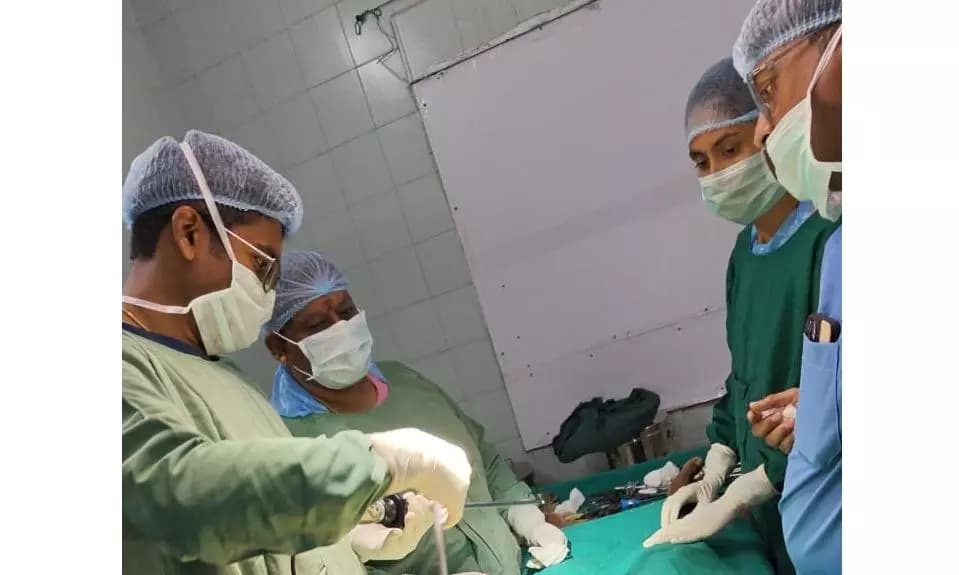
One of the most anticipated segments of the program involved a live telecast of robotic surgical procedures conducted at Prashanth Hospitals. Surgeons demonstrated techniques such as robotic radical prostatectomy and robotic partial nephrectomy, providing young medical practitioners with valuable practical exposure to sophisticated robotic systems. Organising President Dr. AV Krishna Kishore emphasized that Vijayawada is rapidly establishing itself as a premier center for academic and clinical research in urology.
Scientific convener Dr. P. Srimannarayana noted that uro-oncology is currently among the fastest-growing medical specialties. To address the complexities of this field, the conference featured sessions dedicated to prostate cancer screening, localized and hormone-sensitive prostate cancer management, and advanced bladder cancer treatments. Furthermore, the role of immunotherapy was examined as a critical component of modern therapeutic approaches.
Enhancing Clinical Skills and Regional Accessibility
In addition to theoretical sessions, attendees participated in a hands-on workshop focused on transperineal free-hand prostate biopsy, which significantly bolstered their practical diagnostic knowledge. Organizing Secretary Dr. K. Priyatham highlighted the importance of these dedicated academic sessions in helping trainees navigate challenging clinical scenarios.
The event also highlighted a positive shift in medical accessibility across the state. Organizing treasurer Dr. K. Dheeraj remarked that high-quality uro-oncology services, including advanced robotic surgeries, are becoming increasingly available in regional hospitals. This expansion of infrastructure ensures that patients no longer need to rely solely on metropolitan cancer centers for specialized care. By fostering such collaborative academic environments, the medical community continues to enhance its capacity to handle complex cases while improving outcomes for cancer patients statewide.