Major Hurdles Persist as US-Iran Peace Talks Enter a Critical Phase
US and Iranian negotiators are entering a critical phase of peace talks in Switzerland. Faced with a 60-day deadline, both sides must navigate complex issues involving nuclear enrichment, sanctions, regional security, and deep-seated political mistrust to reach a viable comprehensive settlement.

Highlights
- •Negotiators meet in Switzerland to finalize a peace deal within a 60-day window.
- •Key obstacles include disagreements over Iran's nuclear program and uranium enrichment policies.
- •Tensions over the Strait of Hormuz and the management of economic sanctions persist.
- •Internal political pressures and regional concerns from Israel threaten to undermine the diplomatic effort.
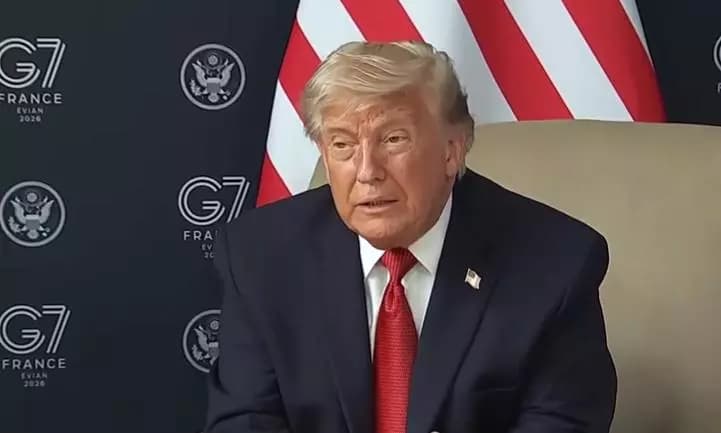
As United States and Iranian delegations prepare to meet in Switzerland this Friday, the path toward a comprehensive US-Iran peace talks agreement remains fraught with significant obstacles. Despite the optimism surrounding the diplomatic process, analysts are expressing skepticism about the ability of both nations to finalize a settlement within the 60-day timeframe established by the recent memorandum of understanding approved by President Donald Trump and Iranian leadership.
Navigating Complex Challenges in US-Iran Peace Talks
The core of the issue lies in the Iranian nuclear program. While President Trump has emphasized the nation's pledge to forego nuclear weaponry, concrete details on managing current stockpiles of near-bomb-grade uranium remain elusive. Negotiations are expected to struggle with disagreements over whether these materials should be destroyed or exported, as well as the long-term feasibility of a uranium enrichment moratorium. Additionally, the standard of international inspections is a critical point of contention that continues to test the resolve of both diplomatic teams.
The geopolitical situation regarding the Strait of Hormuz further complicates these discussions. Although the waterway, vital for global energy transit, is slated to reopen, tensions remain high. Iran, having gained significant leverage, insists on maintaining a management role, while the United States advocates for a toll-free transit. This dynamic adds a layer of uncertainty for global shippers and complicates the broader peace framework.
Economic factors and internal political pressures represent additional hurdles. Iran is seeking an immediate lifting of sanctions and access to frozen assets, whereas the United States proposes a gradual, compliance-based relief process. President Trump faces pressure from domestic hawks who oppose rapid financial concessions, potentially hindering the progress of the US-Iran peace talks. Furthermore, the role of Israel remains a significant variable. Prime Minister Benjamin Netanyahu has asserted that Israel is not restricted by any agreement reached, meaning that regional escalation, particularly concerning Hezbollah, could easily derail the fragile negotiation process.
Finally, the stark differences in negotiating styles pose a threat. The U.S. team, led by Vice President JD Vance, Steve Witkoff, and Jared Kushner, faces the challenge of reconciling Trump's desire for quick outcomes with the Iranian preference for lengthy, meticulous bargaining. With deep-seated distrust between the two nations and the potential for hardliners on both sides to disrupt the process, the road to a sustainable peace remains exceptionally challenging and uncertain.