LPG Prices Hike Amid War Impact: Supply Chain Disruptions Hit India Hard
India faces LPG price increases due to disruptions in Gulf imports amid ongoing conflicts, leading to new pricing strategies and government intervention.
Highlights
- •New Delhi domestic cyliner prices at Rs 913
- •Commercial cylinders saw higher hikes up to Rs 2,043.50 in Chennai
- •A lock-in period of 21 days introduced on LPG cylinder bookings to prevent panic buying
- •Government aims to ensure a steady supply and reduce public anxiety
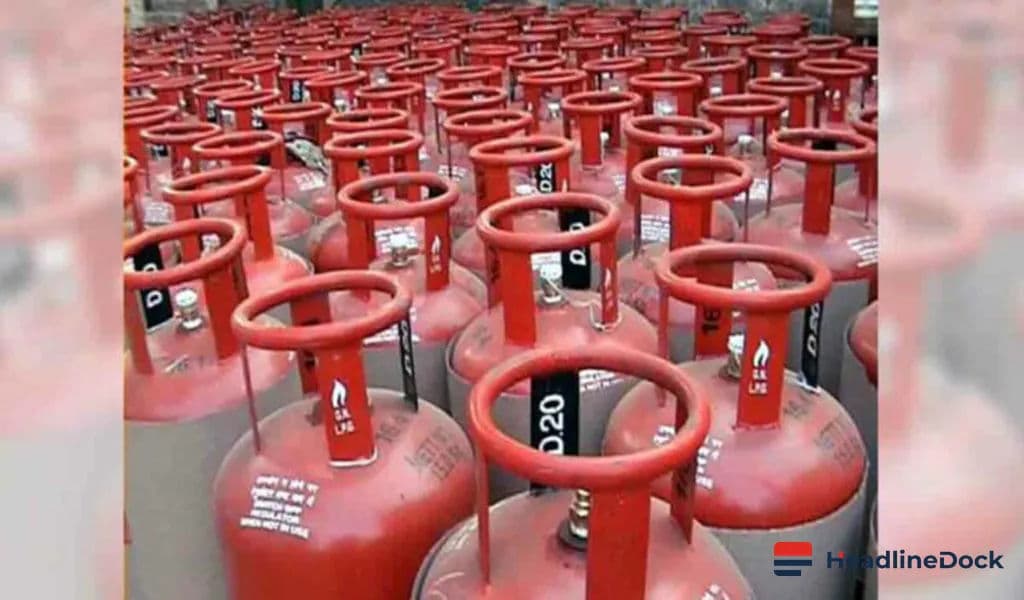
The disruption in the global supply chain due to ongoing conflicts, particularly affecting the Gulf nations that supply approximately 60% of India's Liquefied Petroleum Gas (LPG) needs, has led to significant price hikes. The central government in New Delhi recently announced revised rates for both domestic and commercial cylinders. As of late March, domestic cylinders cost:
Domestic LPG Cylinder Prices Across Major Cities
- New Delhi - Rs 913
- Mumbai - Rs 912.50
- Kolkata - Rs 939
- Chennai - Rs 928.50
- Hyderabad - Rs 965
- Lucknow - Rs 950.50
- Bengaluru - Rs 915.50
- Patna - Rs 1,002.50
Commercial cylinders saw higher hikes:
- New Delhi - Rs 1,884.50
- Mumbai - Rs 1,836
- Kolkata - Rs 1,988.50
- Chennai - Rs 2,043.50
- Hyderabad - Rs 2,007
- Bengaluru - Rs 1,958
- Patna - Rs 2,133.50
To cope with the reduced import rates and supply shortages, the Indian government has taken several measures including increasing the state quota for LPG to 50 percent from 20 percent and urging domestic oil marketing companies to ramp up production. Additionally, a lock-in period of 21 days was introduced on LPG cylinder bookings to prevent panic buying.
Despite these efforts, there has been an observed decline in the rush for new cylinders as citizens become more aware of stock availability through government assurances and information dissemination. The government continues to monitor closely and aims to ensure a steady supply without causing undue public anxiety.