Legal Challenges Threaten Future of Medication Abortion Access via Telehealth in 2026
Ongoing legal challenges and federal policy reviews, including the Louisiana v. FDA case and potential enforcement of the Comstock Act, are currently threatening the future of telehealth-based medication abortion access across the United States.
Highlights
- •Legal battles in Louisiana v. FDA continue to threaten nationwide access to telehealth for abortion pills.
- •The Supreme Court has temporarily blocked efforts to restrict the remote prescribing of mifepristone.
- •The FDA is conducting a new safety review of mifepristone amid political pressure to reimpose restrictions.
- •Advocates for stricter abortion laws are pushing for the enforcement of the 1873 Comstock Act to stop mail-order pills.
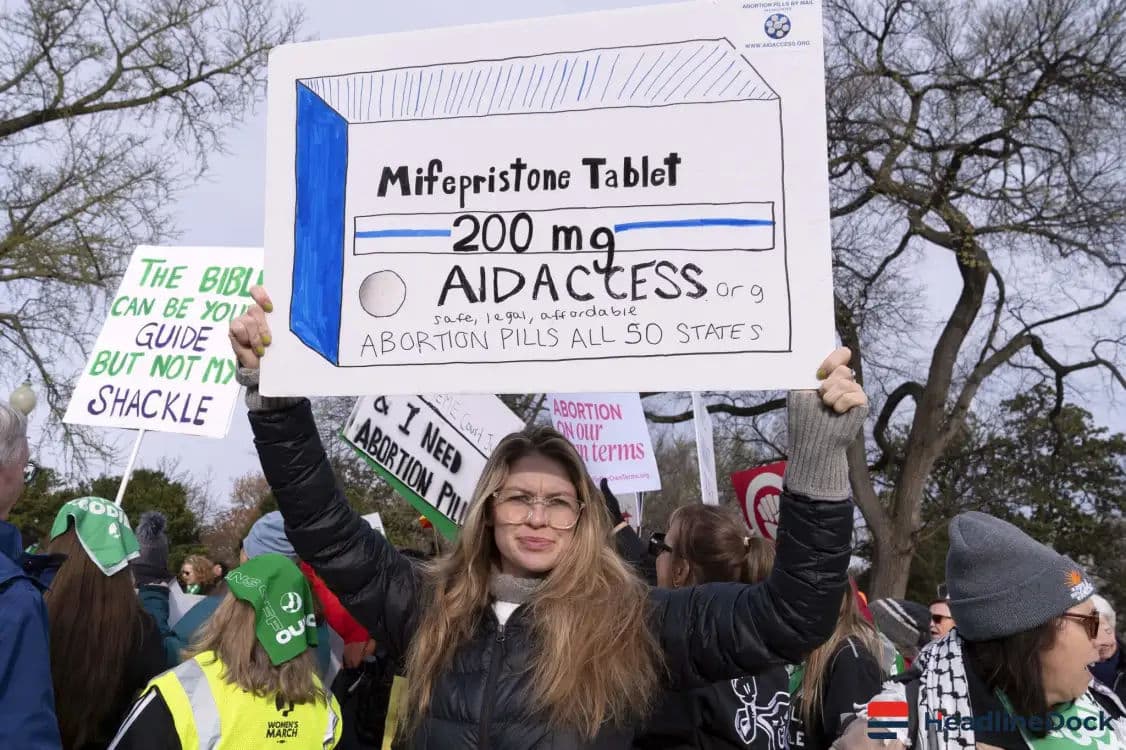
Access to medication abortion remains under significant scrutiny as legal challenges and federal policy shifts threaten to limit remote prescription services. Currently, a substantial majority of individuals in the United States rely on the two-drug regimen of mifepristone and misoprostol to end pregnancies. Because these drugs can be safely administered through telehealth platforms, they have become a primary method for patients residing in states where abortion access is restricted.
Legal Challenges and Regulatory Uncertainty
The landscape for medication abortion is currently shaped by various ongoing legal battles. A primary concern is the lawsuit Louisiana v. FDA, which emerged from the state’s objection to the Food and Drug Administration’s 2023 policy change that removed the in-person dispensing requirement for mifepristone. While the 5th Circuit Court of Appeals briefly reinstated in-person requirements in May 2026, the Supreme Court intervened shortly after to block that restriction, temporarily allowing the continuation of telehealth services while the litigation unfolds.
Beyond the courtroom, the FDA is conducting a safety review of mifepristone following political pressure. Under the administration of Health Secretary Robert F. Kennedy Jr., the agency is utilizing its Sentinel initiative to examine safety data. This review process follows the dismissal of former FDA head Marty Makary. Despite these efforts, extensive research, including a January 2026 study published in JAMA, indicates that the agency’s historical decisions regarding the drug have been largely science-based.
Future Implications for Reproductive Access
The broader strategy to curb abortion access also involves the potential invocation of the 1873 Comstock Act. Anti-abortion groups and high-level officials have advocated for the Department of Justice to enforce this dormant law, which prohibits the use of the mail for distributing certain materials. If applied, this could effectively ban the shipment of all abortion-related drugs, including misoprostol, which does not currently face the same strict regulatory hurdles as the two-drug combination.
Furthermore, providers operating under state "shield laws"—which protect clinicians from legal repercussions when facilitating care for patients in states with bans—are facing increasing pressure. Efforts by states like Louisiana and Texas to target these providers, along with calls for federal intervention to override such protections, highlight the intensity of the current national debate. Despite these hurdles, experts suggest that because providers have adapted their strategies to include alternative drug regimens and cross-border support, the practice of medication abortion is likely to persist regardless of impending judicial or executive actions.