Kerosene Boost: Maharashtra State to Provide Ration Card Holders with Monthly Allowance
The state of Maharashtra is stepping up preparations by allocating 3 litres of kerosene per month to ration card holders to address potential LPG shortages due to Middle East crises.
Highlights
- •- Ration card holders in Maharashtra will receive additional monthly kerosene
- •- New system put in place for non-ratio card holders as well
- •- Aimed at securing families against global oil and LPG supply disruptions
- •- Government ensures sufficient fuel reserves while preparing comprehensive plans
In a bid to ensure national security and prepare for potential global disruptions, the state government of Maharashtra under Devendra Fadnavis has announced that ration card holders will receive an additional monthly allocation of kerosene. This decision comes in light of growing concerns over oil supply disruptions due to tensions in the Middle East.
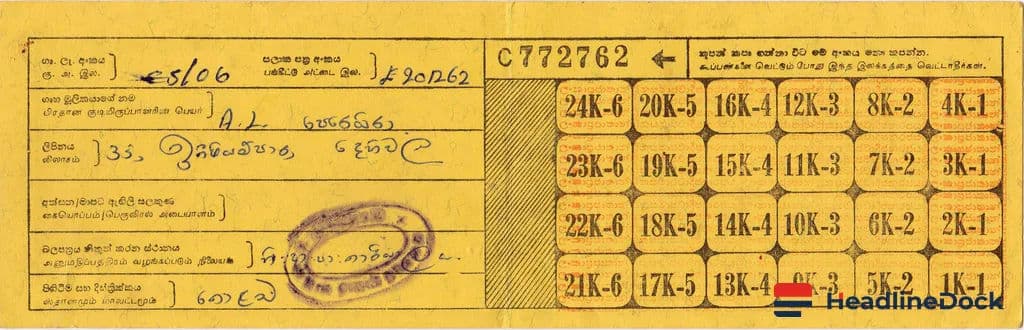
Kerosene Distribution by Ration Card
This measure aims to provide significant support to families across rural and impoverished sections, which often heavily depend on kerosene for cooking needs. The Mahayuti administration emphasizes that this scheme extends beyond mere ration card holders; those without relevant documentation will also benefit through a special system put in place by the Public Distribution System (PDS).
The government remains vigilant about potential threats to the local LPG supply, which could result from global disruptions in crude oil availability. To counteract any such issues, state authorities are taking proactive steps to ensure that citizens do not face shortages or increased prices.
According to the Maharashtra administration, this initiative is crucial for millions of families who rely solely on kerosene for their daily cooking requirements. The move underscores the government's preparedness and intention to mitigate risks associated with global markets influencing local supplies. While current fuel reserves are sufficient, stringent measures are being implemented to avoid any future disruptions.