Kerala to Roll Out New Vigilance Manual to Combat Corruption Cases
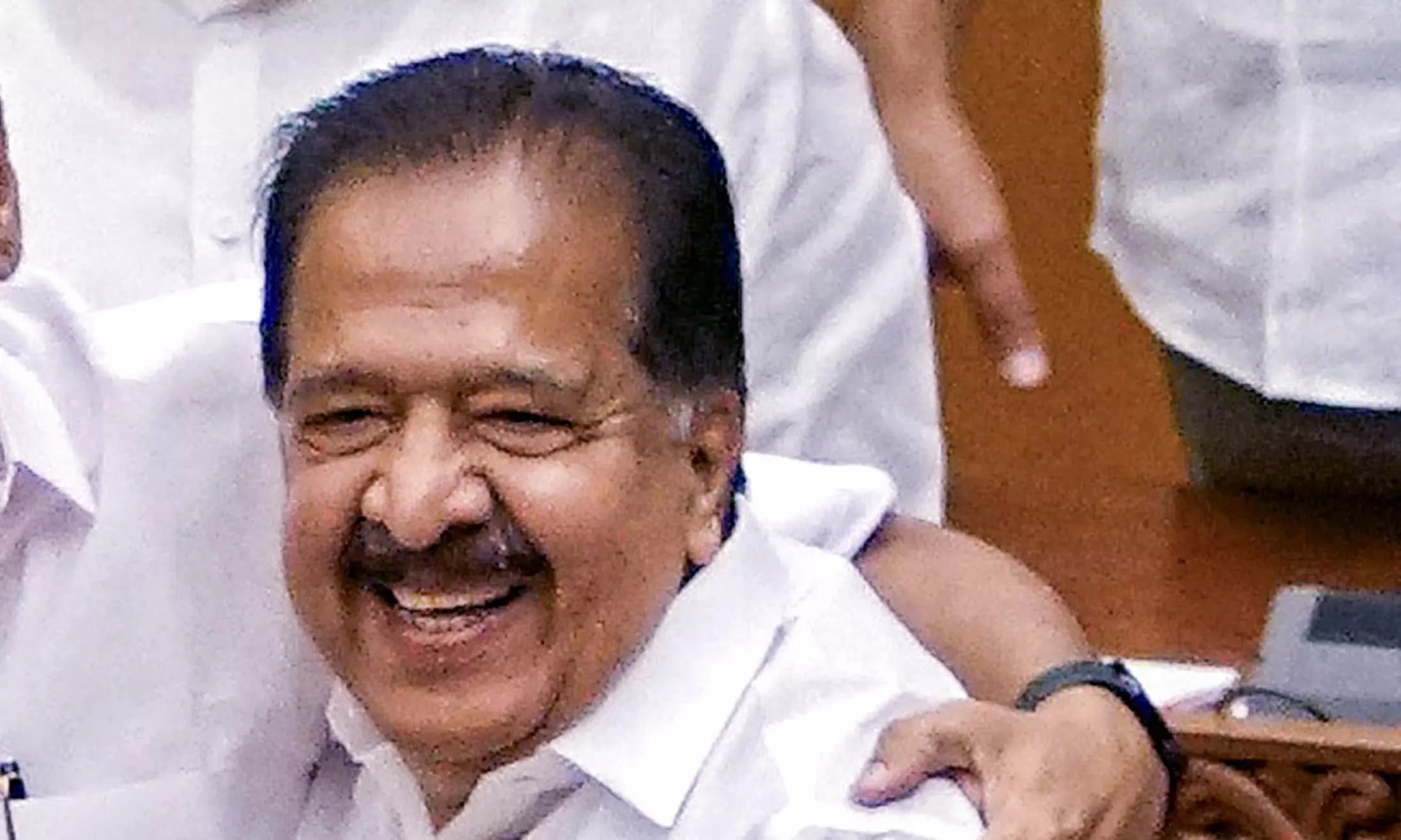
The Kerala government is preparing to launch a modernized vigilance manual to better address corruption cases and prevent offenders from avoiding punishment. Home Minister Ramesh Chennithala confirmed the update, citing the need to replace outdated regulations and overcome procedural delays caused by national legislative changes.
Highlights
- •Kerala is set to replace its 1960s-era vigilance manual with a new framework.
- •The initiative aims to prevent individuals in corruption cases from escaping legal consequences.
- •A new anti-corruption effort called Project Zero has already led to the suspension of a police officer.
- •Officials raised concerns over central government amendments to the Prevention of Corruption Act slowing down investigations.
The state government of Kerala has announced plans to introduce a comprehensive new vigilance manual aimed at strengthening the fight against corruption. This initiative is designed to ensure that individuals implicated in graft cases face appropriate legal consequences, closing loopholes that have historically allowed perpetrators to evade accountability.
Home Minister Ramesh Chennithala addressed the legislative assembly regarding this policy shift, emphasizing the necessity of updating the existing framework. The current documentation governing vigilance operations dates back to the 1960s, rendering it largely obsolete in the modern administrative context. Officials have committed to releasing the updated vigilance manual before the commencement of the upcoming assembly session.
Enhancing Anti-Corruption Frameworks
This development follows the implementation of the Project Zero anti-corruption initiative, which was officially launched by the state's vigilance department on May 26. The program is already demonstrating tangible results; shortly after its debut, a Deputy Superintendent of Police (DySP) was suspended following an incident where the officer was caught accepting a bribe. Such actions underscore the administration's stated intent to foster a corruption-free environment across the state.
Beyond state-level updates, the administration expressed significant concerns regarding the broader legal landscape in India. Ramesh Chennithala highlighted that recent amendments to the Prevention of Corruption Act (PCA), enacted by the central government, have introduced procedural hurdles. Specifically, the requirement for obtaining prosecution sanctions from the accused individual's appointing authority has complicated anti-graft efforts.
According to the Home Minister, these regulatory changes pose a substantial risk to investigative integrity. He argued that the current mandate leads to significant delays, which frequently stall corruption cases. The government maintains that these procedural obstacles are detrimental to national anti-graft activities, as excessive delays often serve to undermine the justice process rather than protect public interest. By revamping the vigilance manual, the state aims to navigate these constraints more effectively while maintaining rigorous pressure on those involved in corrupt practices.