Kerala Low-Alcohol Liquor Decision Awaits Formal UDF Leadership Consensus: CM Satheesan
Kerala Chief Minister V. D. Satheeshan has announced that the implementation of proposed tax rates for low-alcohol beverages will be contingent on a consensus within the UDF leadership, following ongoing political debate over the state's latest budget tax proposals.
Highlights
- •Chief Minister V. D. Satheeshan confirmed that the new low-alcohol tax structure requires UDF leadership approval.
- •The budget proposes two tax slabs: 120% for 0.5-10% alcohol and 175% for 10-20% alcohol content.
- •A formal draft liquor policy will be formulated following consultations with all UDF alliance constituents.
- •Satheeshan claimed the previous LDF administration initiated discussions regarding low-alcohol beverage categories in 2021.
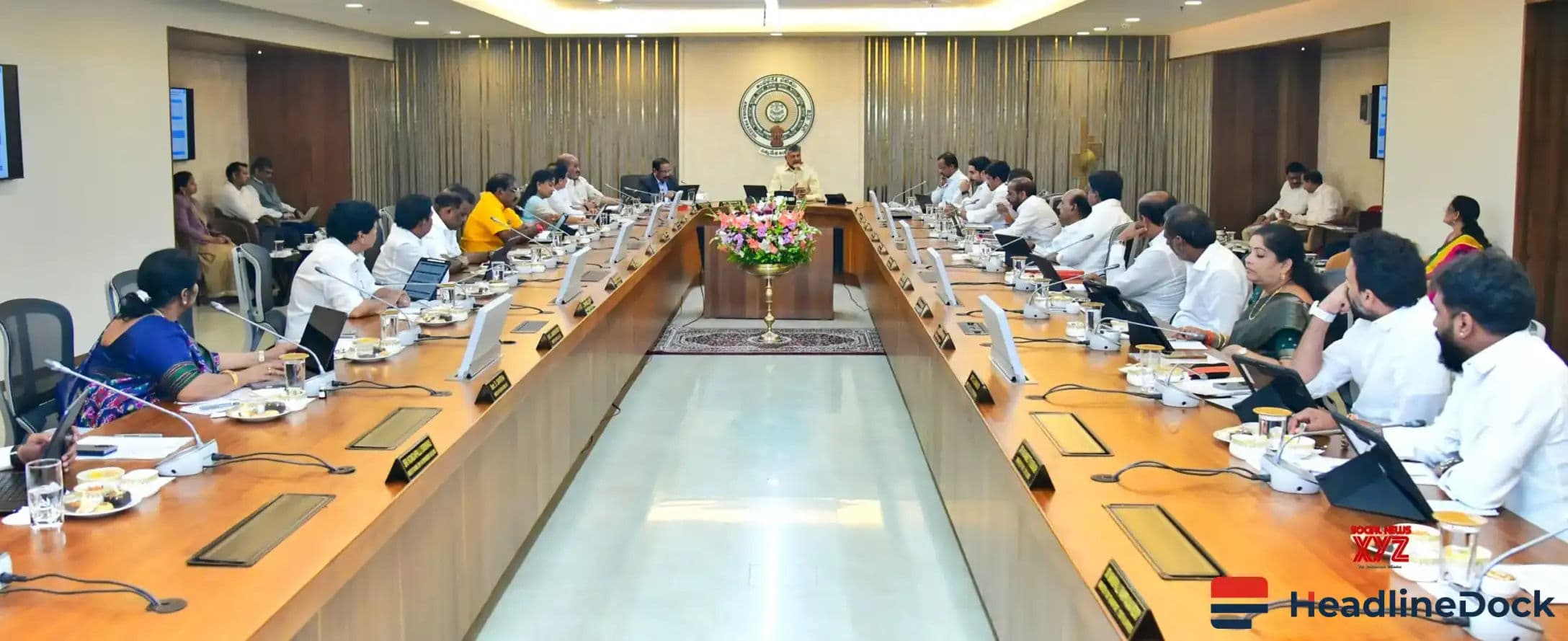
In a significant development regarding the state’s fiscal policy, Chief Minister V. D. Satheeshan announced that any official decision concerning the new tax structure for low-alcohol beverages will only proceed following formal consultations with the UDF leadership. This statement was made during proceedings in the Kerala assembly on Wednesday in response to budget-related inquiries.
The proposed low-alcohol liquor decision has become a focal point of intense political debate. The current budget proposal outlines two specific tax tiers for this new category of beverages: a 120 percent tax for drinks containing between 0.5 and 10 percent alcohol, and a 175 percent levy for those with an alcohol content ranging from 10 to 20 percent.
Policy Consensus and Future Implementation
Addressing the legislative assembly, Satheeshan emphasized that the Abkari policy represents a significant political decision requiring a collective consensus from all UDF constituents. He clarified that a comprehensive draft liquor policy is currently being formulated. This process will include gathering input from all alliance partners, and any final implementation of the tax rates will depend entirely on this consultative process. The government has signaled that if the UDF alliance does not support the proposal, these brands will not be marketed or sold within the state.
During the session, the Chief Minister also addressed criticisms regarding the transparency of the Excise Department. He rejected allegations that the department was uninformed about the budget’s tax proposals, asserting that finance ministers generally do not conduct prior consultations with specific departments when formulating new budget measures.
The discussion also saw a sharp exchange regarding the origins of the policy. Satheeshan countered the opposition's claims by suggesting that the focus on low-alcohol beverages was an initiative established during the previous administration. He pointed out that shortly after the Pinarayi Vijayan government took office in 2021, the then-Excise Minister M.V. Govindan requested an urgent report on defining low-alcohol beverage categories, following submissions from industry players such as Bacardi India and SDF Industries.
Furthermore, the Chief Minister alleged that the prior government had moved to amend the Foreign Liquor Rules to explicitly support the sale of brands such as Bacardi Breezer. As the political discourse continues, the final determination on the proposed tax slabs remains contingent upon the upcoming internal reviews by the ruling coalition.