Keir Starmer Resigns: Brutal Politics Leads to Downfall of British Prime Minister
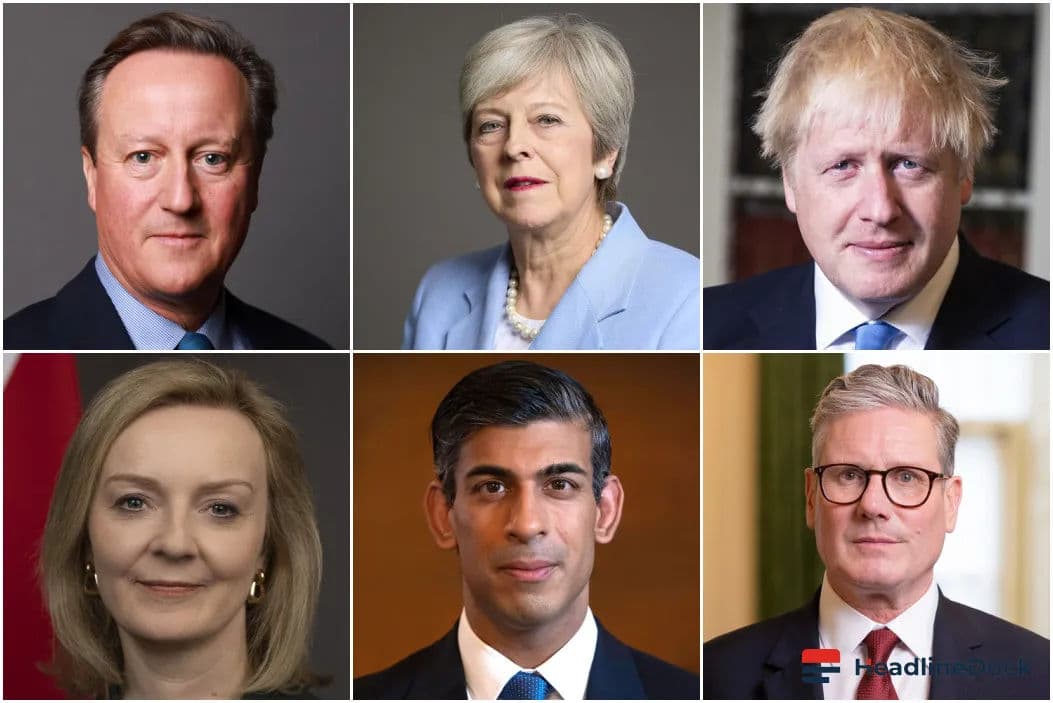
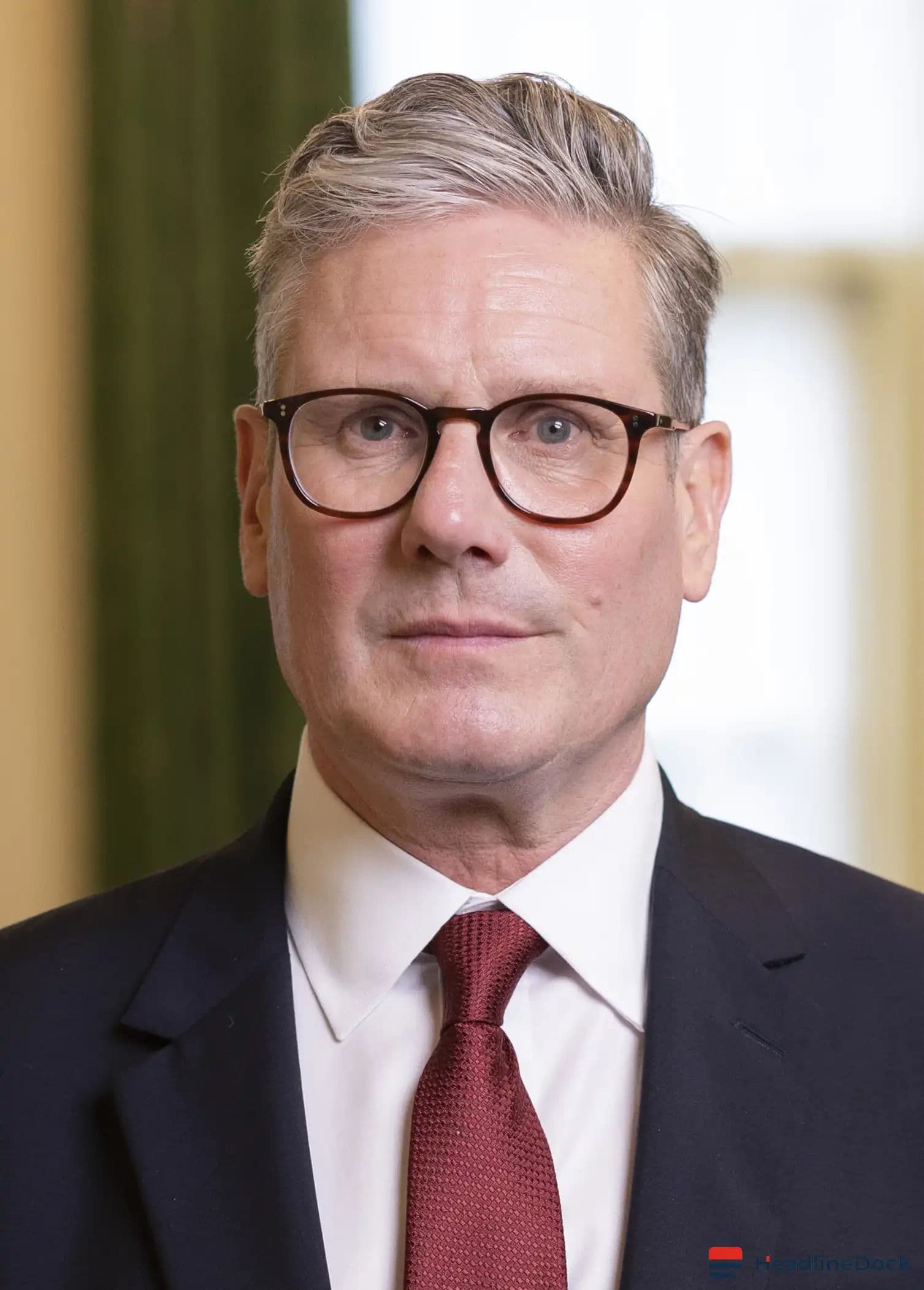
Keir Starmer has officially resigned as Prime Minister of the United Kingdom, becoming the sixth leader to fall in a decade. His departure follows widespread economic frustration and controversies that eroded his political mandate, leaving the country facing significant leadership uncertainty.
Highlights
- •Keir Starmer resigns as UK Prime Minister following intense political pressure and economic stagnation.
- •The UK has seen six different Prime Ministers in the last ten years since the Brexit referendum.
- •Controversies regarding personal gifts and political appointments significantly damaged Starmer's public standing.
- •Manchester Mayor Andy Burnham emerges as a potential successor amidst rising competition from smaller parties.
The fast-paced and unforgiving landscape of contemporary politics has claimed another high-profile casualty. Keir Starmer, once the optimistic leader of the United Kingdom, has officially stepped down, marking a significant moment of instability in British governance. In an era where social media and hyper-vigilant news cycles dominate public perception, the rapid erosion of support has proven fatal for his administration.
The departure of Keir Starmer as Prime Minister represents the sixth change in leadership within a decade, a tumultuous period that began with the Brexit referendum. Many observers argue that this constant flux highlights the deep-seated economic struggles and the unintended isolation the UK has faced since leaving the European Union. Despite promises of a new dawn, the government struggled to manage critical issues, most notably the influx of illegal migration, which became a focal point of criticism.
Challenges and Political Fallout
The criticism surrounding Keir Starmer intensified due to his perceived inability to secure borders and effectively harness North Sea energy reserves. International reactions were varied, with notable figures such as US President Donald Trump seemingly welcoming the prospect of new leadership at No. 10 Downing Street. For his part, a clearly emotional Starmer appeared to acknowledge his own shortcomings as he prepared to tender his resignation.
His tenure faced scrutiny over several controversial decisions, including the appointment of Peter Mandelson—linked to the Jeffrey Epstein scandal—as Ambassador to the US. Furthermore, public perception soured due to reports of him accepting various gifts, such as tickets to Taylor Swift concerts and Arsenal football matches. These lapses in judgment proved damaging, especially coming only two years after his landslide victory over the Tories, who had previously faced intense backlash for holding gatherings during COVID-19 lockdowns.
The Road Ahead for British Leadership
Economically, the administration struggled to gain traction. Starmer’s strategy of potentially increasing taxes on wealthier pensioners and the general population to fund public services faced fierce opposition. His political maneuvers, specifically viewing Nigel Farage’s Reform Party as the primary threat, arguably caused him to lose sight of broader economic grievances. As Britain navigates these challenges, including the ongoing support for Volodymyr Zelenskyy in the Ukraine war, the pressure on the national leadership remains immense.
The vacuum left by Starmer has paved the way for new figures to emerge. Andy Burnham, the popular mayor of Manchester, has rapidly ascended as a key contender after a decisive by-election victory. Whether he can address the nation’s demand for economic revitalization while managing the influence of rising political factions remains the central question for the UK's uncertain future.