Is Melatonin Safe? Understanding the Risks and Benefits of Sleep Aids
Melatonin is a widely used sleep aid, but it is not regulated as a drug in the U.S., leading to dosage inconsistencies. While effective for circadian rhythm disorders and certain conditions in children, expert medical guidance is crucial to ensure safety and proper use.
Highlights
- •Melatonin supplements are unregulated in the U.S., often leading to significant inconsistencies in dosage and ingredient purity.
- •The hormone is effective for regulating circadian rhythm disorders, especially in teens with delayed sleep-wake cycles.
- •Parents should always consult a pediatrician before administering supplements, as long-term safety data remains limited.
- •Improper storage of gummy supplements poses a major risk for accidental overdoses among children who mistake them for candy.
Melatonin has become a staple sleep aid in countless households, yet the supplement remains a subject of intense debate due to conflicting information regarding its safety and effectiveness. While some highlight its benefits for circadian regulation, others raise concerns about potential health risks, leaving many parents and adults uncertain about proper usage.
As a pediatrician and specialist in sleep medicine, it is clear that while many families turn to this supplement after struggling with sleep issues, they often rely on information that is not tailored to their specific needs. Because the Food and Drug Administration (FDA) has not approved any insomnia medications for children, healthcare providers face limited options, making the careful use of supplements essential.
Understanding Melatonin and Circadian Regulation
Melatonin is naturally produced by the pineal gland in the brain, with levels rising in the evening and peaking at night to support our internal clock. Light exposure is the primary inhibitor of this process; therefore, maintaining a healthy balance of light and darkness is critical for sleep. Unlike other sleep aids, melatonin influences two distinct pathways: the "hypnotic" effect that encourages sleepiness, and the "chronotropic" effect that helps regulate the body's sleep-wake cycle.
For individuals suffering from a circadian rhythm disorder, such as the delayed sleep-wake phase often seen in teenagers, melatonin can be highly effective. By signaling the brain to initiate sleep earlier, it helps normalize sleep onset. Importantly, clinical evidence suggests that taking synthetic versions does not disrupt the body's natural production of the hormone.
Risks, Regulation, and Safety Guidelines
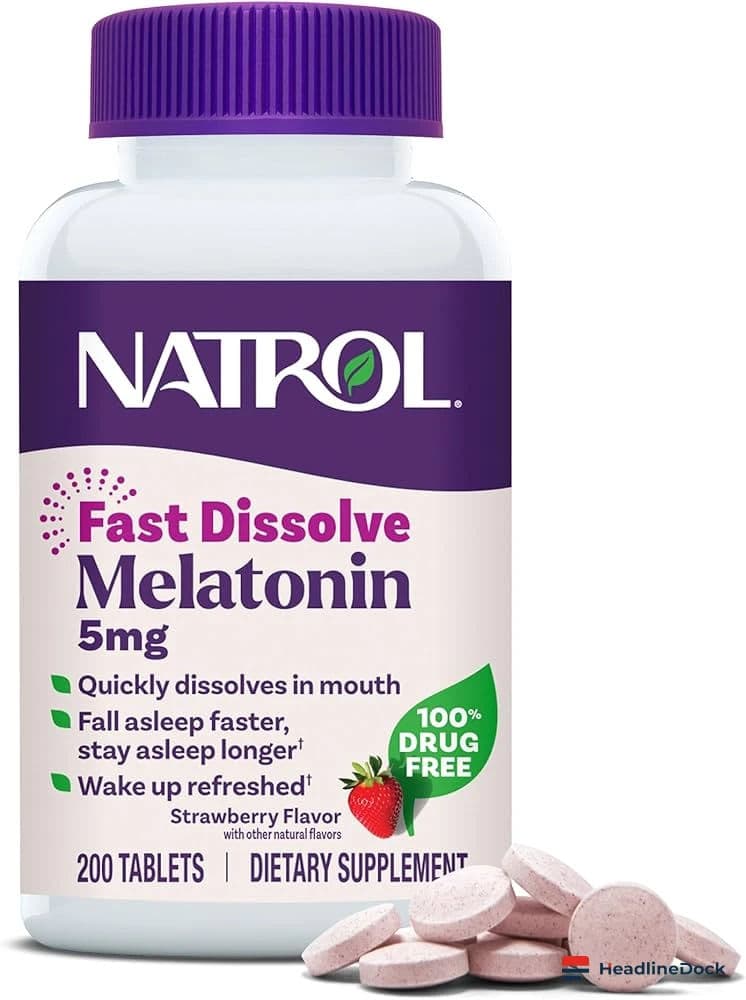
A significant challenge in the United States is that melatonin is classified as a dietary supplement, meaning it lacks the rigorous FDA oversight applied to prescription drugs. This leads to substantial variations in product quality and concentration. Studies have shown that some products contain significantly more or less than the labeled dose, and in extreme cases, some supplements have even been found to contain cannabidiol (CBD) instead of the promised ingredient.
Safety is paramount, particularly for children. High doses have not been extensively tested for long-term safety, and instances of melatonin overdose, especially involving flavored gummies, have led to hospitalizations. Experts emphasize that parents must keep these supplements out of reach of children and seek professional guidance before starting any regimen. When used under a physician's direction—focusing on the correct brand, dosage, and rationale—melatonin serves as a valuable tool for supporting sleep health in children, including those with neurodevelopmental conditions like autism spectrum disorder and ADHD. Consulting with a healthcare provider remains the safest path toward addressing persistent sleep difficulties.