Iran Ready to Provide Nuclear Assurances, Defends Uranium Enrichment Right
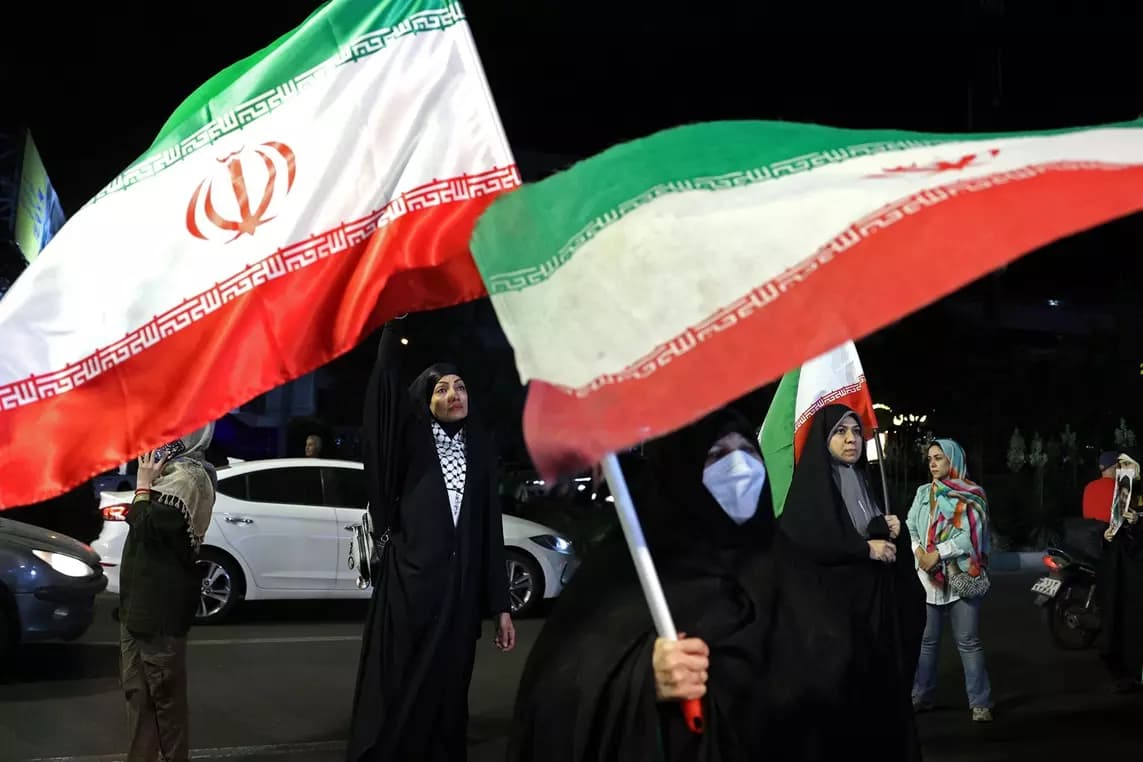
Iranian President Masoud Pezeshkian has offered written assurances that Iran does not seek a nuclear bomb. However, he insisted the country will maintain its right to uranium enrichment as officials prepare for upcoming nuclear negotiations with the United States in Switzerland.
Highlights
- •President Masoud Pezeshkian stated Iran is ready to provide written guarantees that it is not building a nuclear bomb.
- •Iran refuses to relinquish its sovereign right to perform uranium enrichment activities.
- •The official stance emphasizes that US demands are not new and are being addressed by the administration.
- •Negotiations between Iran and the US are scheduled to take place in Switzerland to address these concerns.
Iranian President Masoud Pezeshkian has reasserted his nation's position regarding its nuclear program, emphasizing that Tehran is prepared to provide formal guarantees that it is not pursuing the development of an atomic weapon. This declaration comes as international stakeholders continue to monitor Iran's activities closely. Despite these assurances, the president firmly maintained that the country would not abandon its sovereign right to engage in uranium enrichment.
The statements from Masoud Pezeshkian highlight the ongoing tensions and the delicate diplomatic balance Iran is attempting to navigate. The president’s official digital platform conveyed that the demands put forward by the United States regarding the prohibition of an atomic bomb are not novel. In response, Iran has indicated its willingness to document its lack of intent to construct such weaponry.
Addressing Uranium Enrichment and International Negotiations
A central pillar of the current debate remains the uranium enrichment capabilities that Iran continues to prioritize. President Pezeshkian underscored that this is a matter of national right, asserting that the international community—and specifically the other negotiating parties—will ultimately have to accept this reality. This stance serves as a reminder of the core obstacles present in global efforts to manage Iran's nuclear objectives.
These remarks arrive at a critical juncture, as representatives from Iran and the United States are scheduled to convene in Switzerland for further discussions. These talks are part of a broader, high-stakes process intended to address concerns surrounding the Middle Eastern nation's nuclear program. The outcome of these interactions will likely have significant implications for regional stability and global non-proliferation efforts.
As the international community watches these developments, the distinction between civil nuclear ambitions and military applications remains the primary point of friction. By pledging to provide written assurances against the production of an atomic bomb while refusing to halt uranium enrichment, the leadership in Tehran is aiming to preserve its technological infrastructure while seeking to alleviate global fears. Whether these positions can lead to a breakthrough during the upcoming Switzerland meetings remains to be seen, as diplomatic partners evaluate the feasibility of such a compromise.