Iran Eliminated from FIFA World Cup Amid Political Tensions in America
The Iran national football team exited the FIFA World Cup after failing to advance from Group G. Their campaign was heavily impacted by geopolitical tensions between Tehran and Washington, leading to logistical challenges, travel restrictions, and a difficult experience for the players and coaching staff throughout the tournament.

The Iran national football team has been eliminated from the FIFA World Cup following a difficult campaign defined by both on-pitch challenges and significant off-field political friction. The team narrowly missed advancing past the group stage, concluding their participation in a FIFA World Cup tournament that was marked by intense international geopolitical tensions.
Geopolitical Challenges and Tournament Elimination
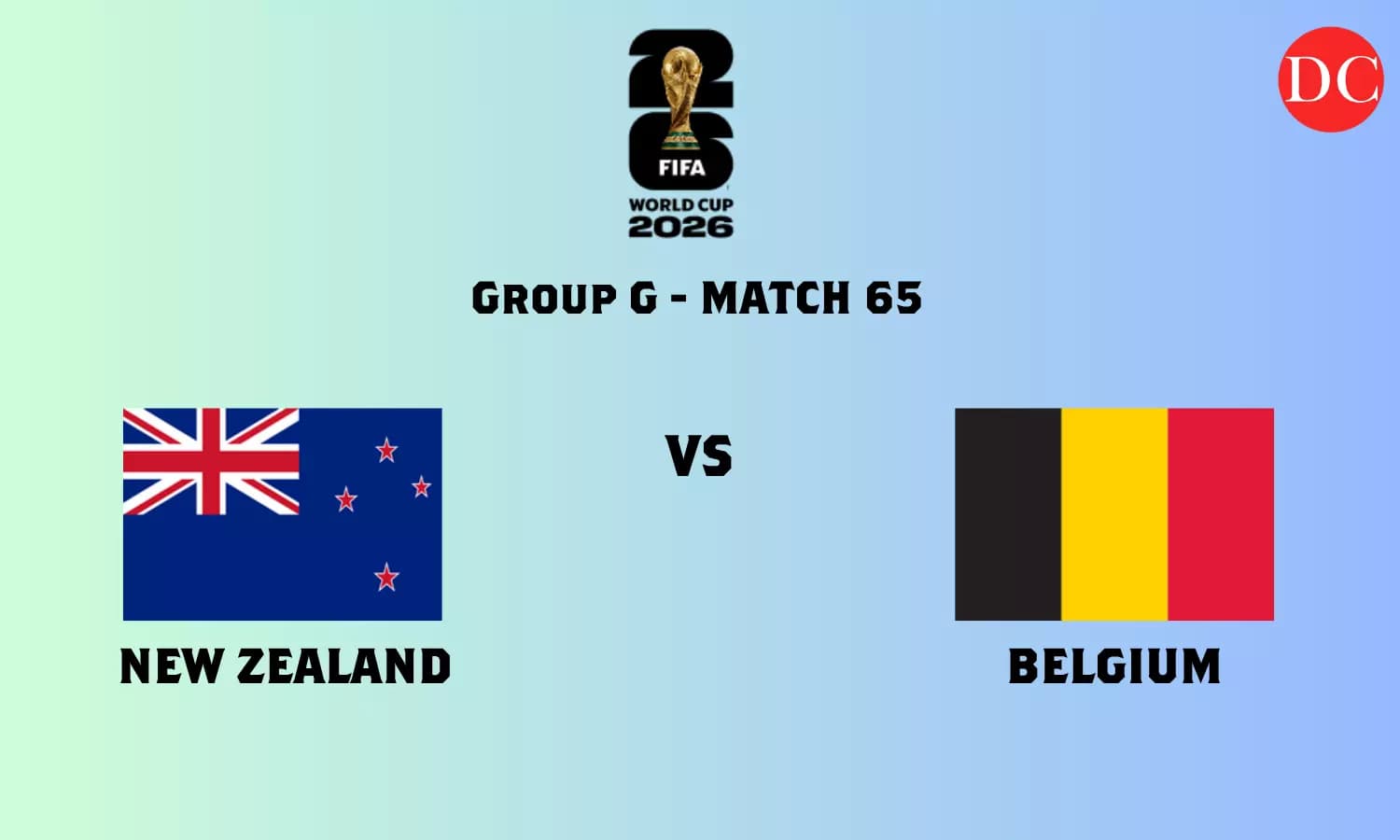
Iran finished third in Group G, accumulating three points through draws against Belgium, New Zealand, and Egypt. The team's fate hung in the balance until the final moments of their last match. While Iran initially appeared positioned to advance via tiebreakers after Algeria took a late lead against Austria, a dramatic stoppage-time equalizer by Austria ultimately confirmed Iran's exit from the competition.
The tournament occurred against a backdrop of severe diplomatic strain. While Iran competed in the United States, officials in Tehran remained in complex negotiations with Washington regarding the ongoing conflict that began earlier this year. The situation escalated throughout the group stages, including an Iranian drone strike targeting Bahrain, which houses the U.S. Navy’s 5th Fleet. These events followed reported U.S. airstrikes, further highlighting the precarious environment surrounding the Iran FIFA World Cup squad.
Coach Amir Ghalenoei and his players repeatedly voiced frustrations regarding their treatment during the event. The team encountered numerous operational hurdles, including strict travel limitations, visa denials for key support staff, and mandatory rapid departures from the U.S. after their matches. While U.S. officials maintained that all protocols were established prior to the tournament, the team sought to mitigate these difficulties by moving their base camp from Tucson, Arizona, to Tijuana, Mexico, approximately two weeks before arrival.
Impact of International Tensions
The political climate was also visible inside stadiums. During Iran's opening matches near Los Angeles, Iranian American protesters gathered to express opposition to the government in Tehran, displaying the pre-revolutionary lion-and-sun flag. Inside the venues, the national anthem drew a polarizing response from spectators. The U.S. eventually eased some travel restrictions for the squad before their match against Egypt in Seattle, but the overall experience remained fraught with logistical and diplomatic complications.
Following their exit, the team issued a statement expressing gratitude to the residents of Tijuana for their hospitality. Despite the disappointment of early elimination, coach Amir Ghalenoei praised the resilience of his young squad, emphasizing that the team's ability to remain competitive while navigating such a hostile environment against the FIFA World Cup host nation was a significant achievement in the face of immense pressure.
,curated_key_highlights:[