INTUC President Calls for Rejection of Four Labour Codes Over Security Concerns
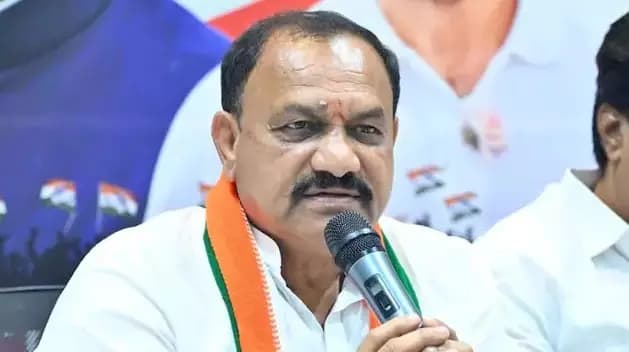
INTUC president G. Sanjeeva Reddy has officially opposed the introduction of four new labour codes, warning that they compromise the rights and security of workers. The organization reaffirmed its commitment to protecting labor interests during its 316th Working Committee meeting in Bengaluru.
Highlights
- •INTUC president G. Sanjeeva Reddy called for the rejection of four labour codes during a meeting in Bengaluru.
- •The union argues that the proposed labour codes threaten worker dignity, rights, and overall job security.
- •D.K. Shivakumar emphasized that workers, farmers, soldiers, and teachers are the essential pillars of the nation.
- •Participants pledged to remain united against policies seen as undermining social justice and labor protections.
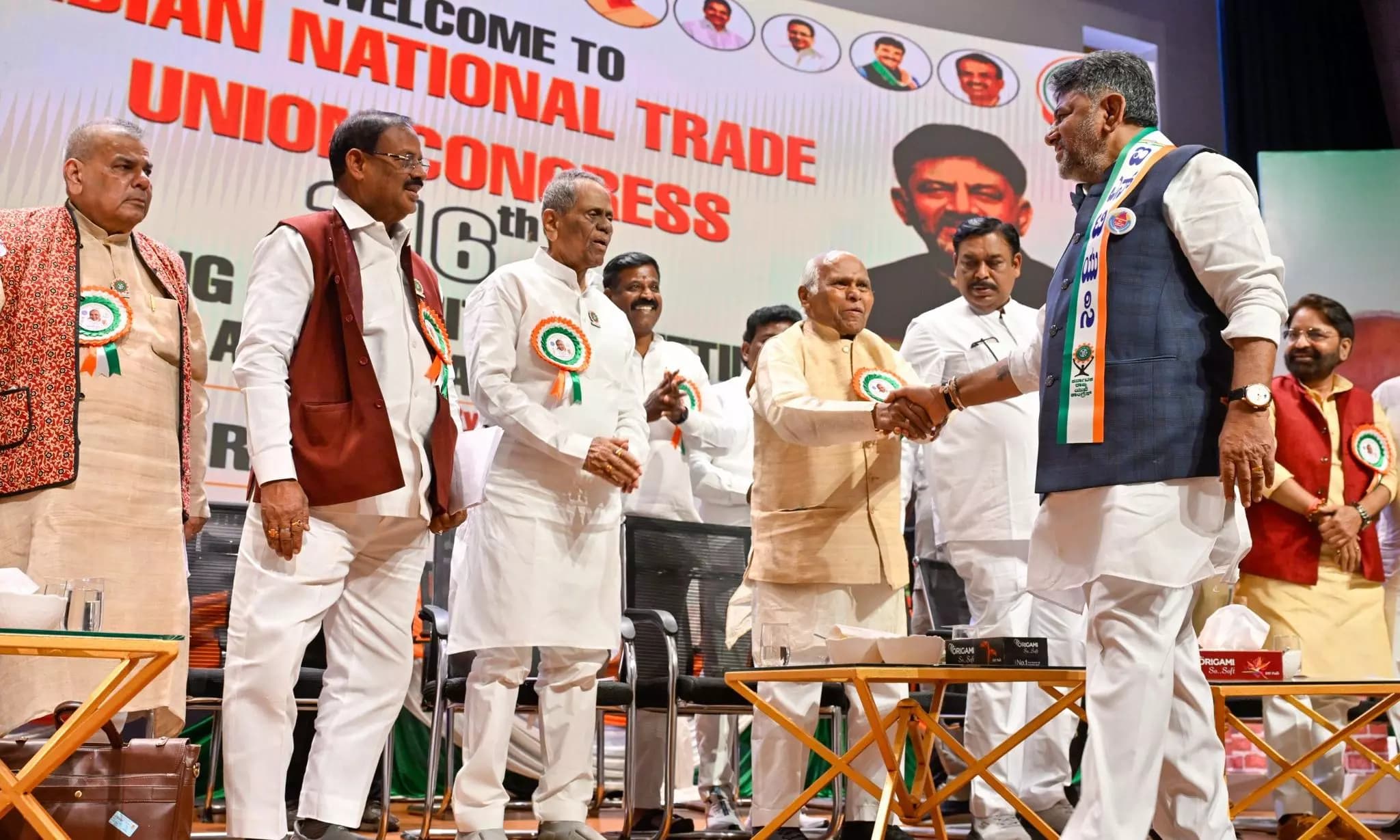
During the recent 316th Working Committee meeting held in Bengaluru, the All India INTUC president, G. Sanjeeva Reddy, issued a strong statement urging the complete rejection of the four labour codes. The organization asserted that these proposed legislative changes pose a direct threat to the essential rights, dignity, and job security of the workforce. The assembly served as a critical platform for discussing the preservation of labor protections and the broader goals of social justice in the current economic landscape.
Concerns Over Labour Codes and Worker Protections
G. Sanjeeva Reddy emphasized that the present moment requires an urgent defense of the legal safeguards established for the working class over many years. He did not mince words when criticizing the new labour codes, characterizing them as fundamentally inhumane, unlawful, and contrary to constitutional principles. He cautioned that moving forward with the implementation of these policies would likely result in detrimental outcomes for workers across various sectors of the economy.
The meeting also featured remarks from D.K. Shivakumar, who attended as the chief guest. He highlighted the vital role played by four specific groups—farmers, soldiers, workers, and teachers—in maintaining the strength and progress of a democratic nation. According to D.K. Shivakumar, farmers sustain the country, soldiers provide necessary defense, workers are the backbone of economic construction, and teachers are responsible for cultivating future generations.
The discussion underscored the belief that sustainable societal progress is impossible unless these fundamental groups are granted the respect, security, and institutional support they require. The event concluded with a formal pledge taken by all participants to maintain unity in their opposition to policies they perceive as weakening labor rights, undermining democratic values, and stalling social justice efforts.
The opposition to the labour codes reflects deep-seated anxieties among labor unions regarding the potential erosion of benefits and protections. By categorizing the labour codes as a significant threat to professional security, union leaders aim to mobilize the workforce against future implementation. This stance highlights a continuing tension between legislative efforts to streamline industrial laws and the organizations tasked with protecting the interests of the laborers.