India's Toll System Shifts Fully to Digital Payments
On April 1st, India's national highways will transition fully to digital toll payments, ending cash transactions at toll plazas. This change aims to reduce traffic congestion and improve efficiency while encouraging the use of FASTag or UPI via QR codes.

Highlights
- •NHAI officially transitions to digital-only toll lanes on April 1st
- •Commuters can now choose between FASTag or UPI payments at national highways
- •Waiting times are expected to drop significantly as part of this new system
- •Fines for non-digital payment methods could double the toll amount
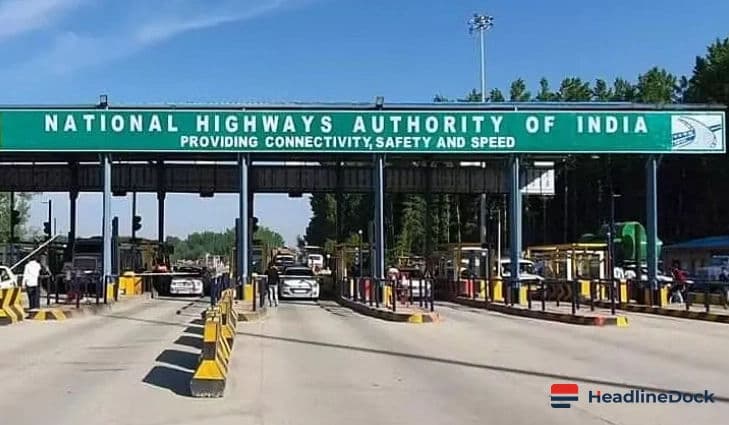
The National Highways Authority of India (NHAI) will officially transition to fully digital toll payments on April 1, eliminating cash lanes on national highways and expressways. This move marks a significant shift in India's traffic management infrastructure, aimed at enhancing efficiency, reducing congestion, and improving the travel experience for millions of commuters.
From Cash to Digital: The New Norm
The transition will see all toll plazas on these highways transformed into digital-only lanes. Commuters now have two main options for paying tolls: FASTag or UPI via QR codes. According to NHAI guidelines, cash counters are a thing of the past. Commuters without a FASTag, or with insufficient funds, may face fines that can be double the toll amount. For those unfamiliar with digital payments, emergency QR code payment options will still be available.
This change is expected to significantly reduce wait times at toll plazas. Data shows that the introduction of FASTag has already halved waiting times from 8 minutes down to just 47 seconds per transaction.
NHAI officials emphasize the importance of ensuring a complete KYC process and maintaining active balance on FAS
Environmental & Economic Benefits
The shift to digital payments is expected to lead to reduced fuel consumption and lower carbon emissions due to fewer vehicle stops. Additionally, it will reduce human involvement in toll collection processes, minimizing disputes and making the system more transparent and efficient.
The move aligns with India's broader goal of transitioning towards a digital economy, making travel on major highways faster and more modern for the millions of vehicles that use national roads every day. Commuters are advised to plan ahead by updating their KYC information, checking balances frequently, and ensuring UPI apps are ready.