India's Stance Shifts as Khamenei's Death Evokes Reactions
India's initial silence on the death of Iran's Supreme Leader Khamenei has shifted, with the country now expressing condolences. The diplomatic response underscores complex regional tensions and shifts international policy in the Middle East.
Highlights
- •India finally acknowledged the death of Iran's Supreme Leader Ayatollah Khamenei with formal condolences.
- •Foreign Secretary Vikram Misri and PM Modi's statements reflect the importance of diplomacy in resolving conflicts.
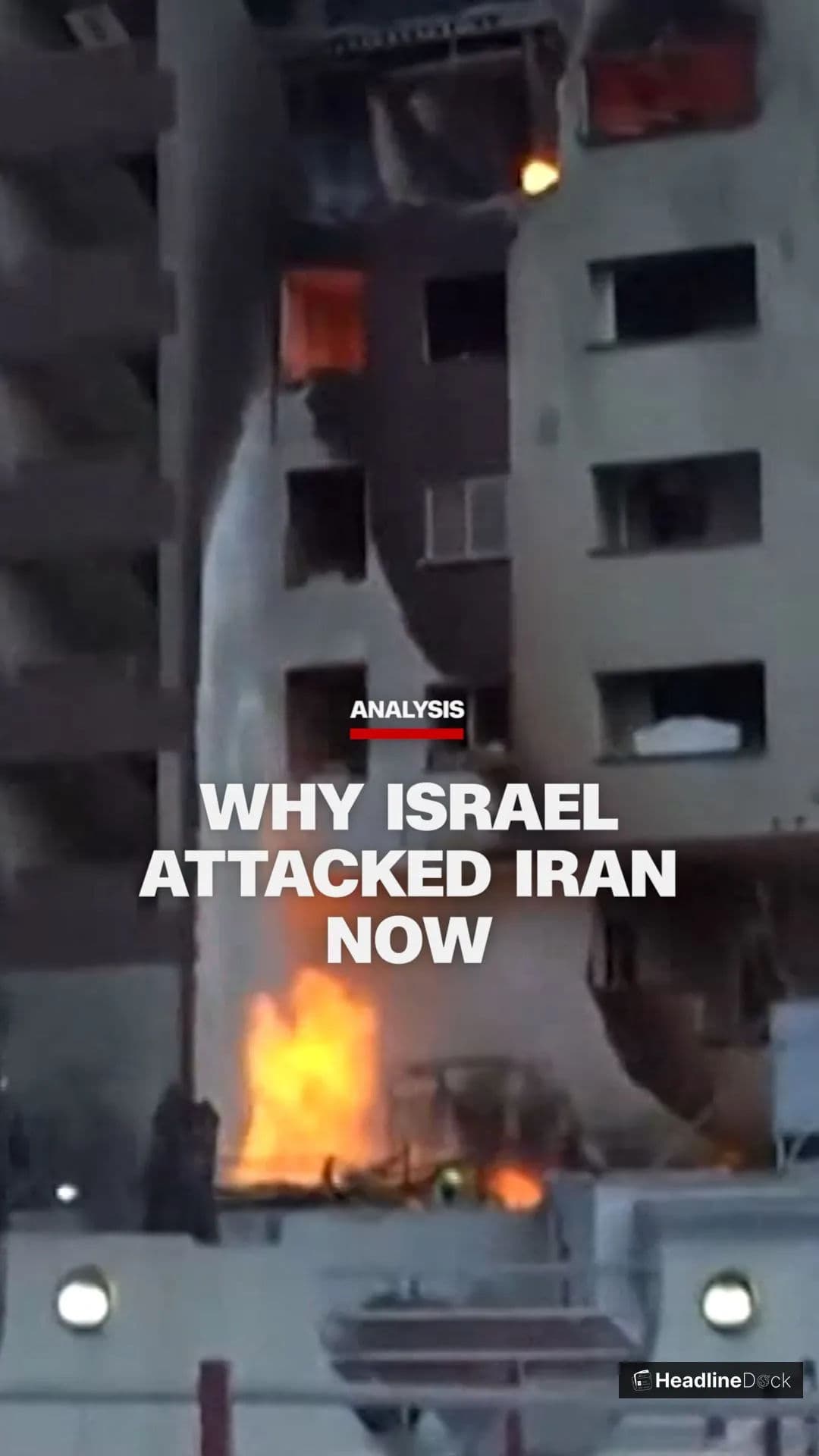
- •US-Israeli airstrikes raised concerns globally, impacting both public opinion and international relations.
- •Iranian oil trade declines due to US sanctions, highlighting the economic ramifications of the situation.
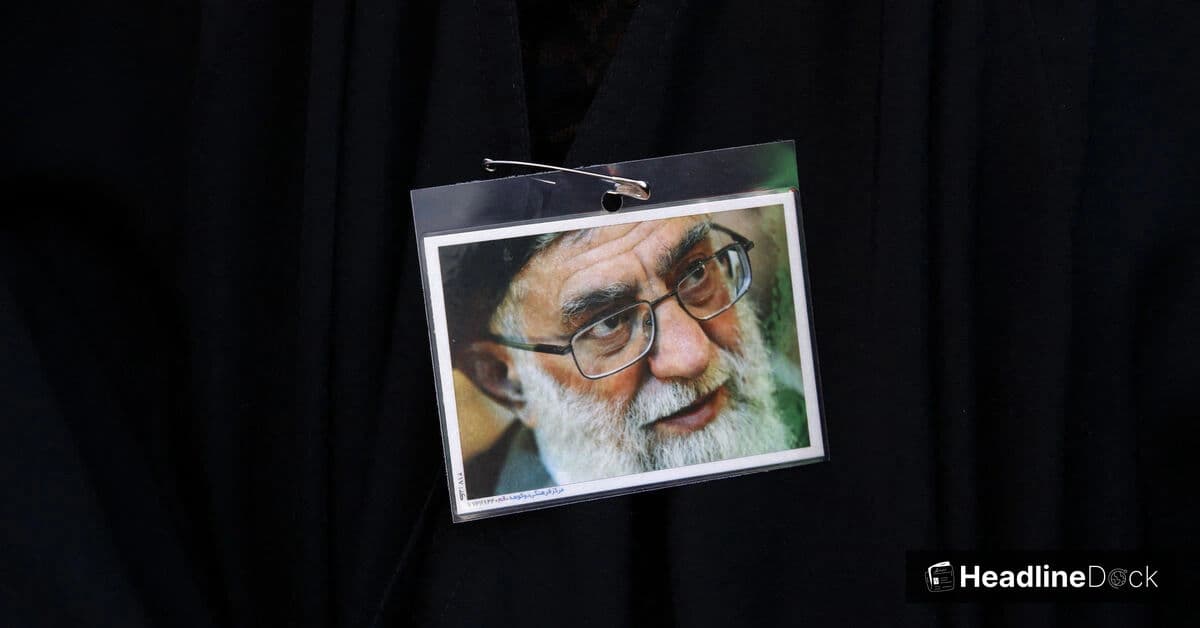
New Delhi mourned the sudden death of Iran's Supreme Leader, Ayatollah Ali Khamenei, after a joint US-Israeli airstrike. The US and Israel faced condemnation for the action from the broader Muslim community and even India, which finally expressed its condolences.
While the previous diplomatic stance was ambiguous regarding the attack, India’s Foreign Secretary Vikram Misri met with the Iranian Ambassador in Delhi and signed a condolence register on the day of his death. PM Modi expressed his concerns about the Middle East instability and emphasized the need for diplomatic dialogue, much like G7 democracies.
Indians, accustomed to 13% of their oil needs from Iran, saw their ties impacted by US sanctions after Iran's withdrawal from the nuclear deal. The significance of Khamenei's death underscores complex geopolitical dynamics in the region.
This exclusive content highlights India’s evolving position on this matter, offering comprehensive and timely information for HeadlineDock readers.