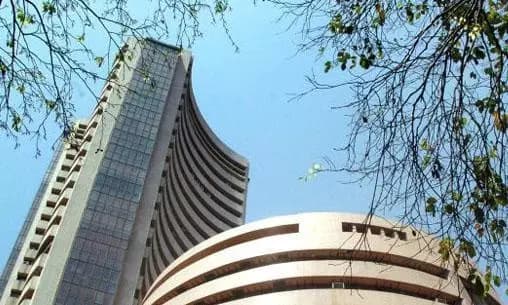
Indian Stock Market Snaps 5-Day Rally Amid IT Sector Sell-off and Geopolitical Uncertainty
The Indian stock market ended its five-day rally on Friday, with the Sensex and Nifty declining amid a significant IT sector sell-off triggered by Accenture's cautious guidance and ongoing geopolitical uncertainties regarding US-Iran peace talks.
Highlights
- •Indian stock market indices snapped a five-day winning streak on Friday due to widespread profit-booking.
- •The BSE IT index dropped 3.57% following a weak revenue guidance outlook from global tech firm Accenture.
- •Geopolitical concerns rose after the postponement of US-Iran peace negotiations in Switzerland.
- •Jio Platforms Ltd received board approval to file draft papers for its upcoming initial public offering.
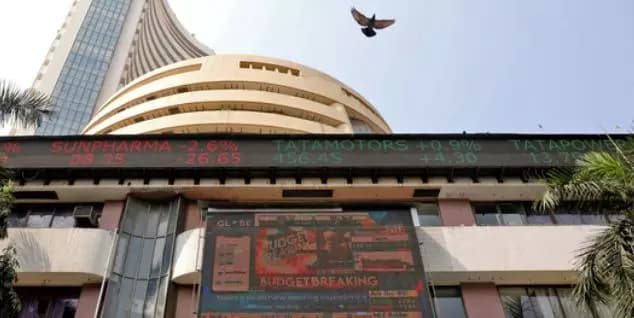
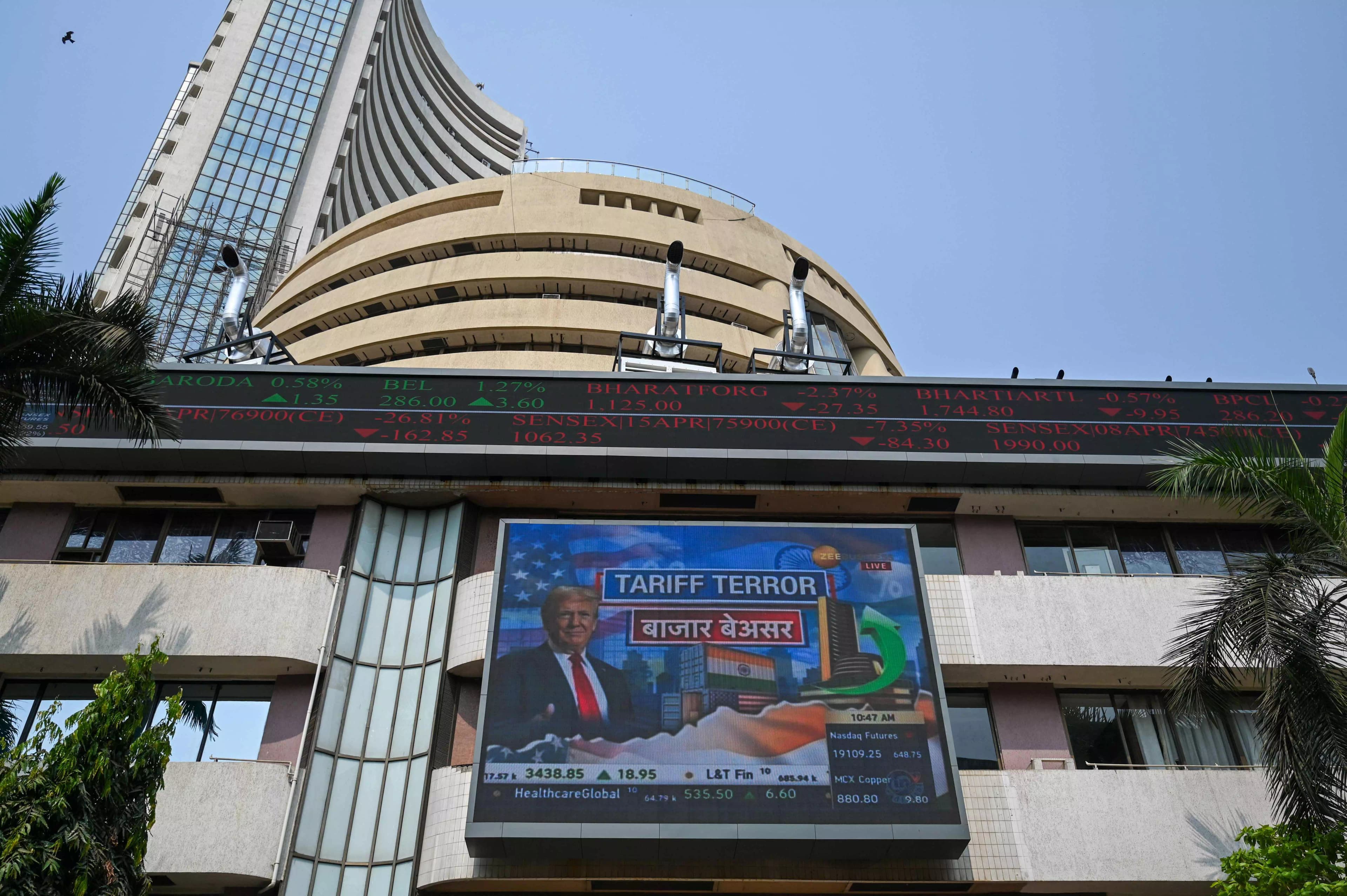
The Indian stock market witnessed a significant reversal on Friday, bringing a five-day rally to an abrupt halt. Benchmark indices faced downward pressure, with the BSE Sensex recording a decline of 607.08 points to close at 76,802.90. Similarly, the NSE Nifty retreated by 154.90 points, ending the trading session at the 24,013.10 mark. This shift in momentum was primarily driven by a sharp sell-off in the technology sector and heightening geopolitical tensions.
Impact of Tech Sector Sell-off and Geopolitical Uncertainty
The decline was largely triggered by global tech firm Accenture, which adjusted its full-year revenue growth guidance downward. This cautious outlook from a prominent industry bellwether immediately reverberated across the Indian stock market, fueling investor anxiety regarding discretionary spending and potential delays in deal conversions. Consequently, the BSE IT index took a severe hit, plunging by 3.57 per cent.
Leading the losses within the sector were major players: Infosys saw its shares dive by 6.69 per cent, while Tata Consultancy Services (TCS) fell by 3.53 per cent. Other notable decliners included HCL Tech and Tech Mahindra. Beyond the IT sector, heavyweights like HDFC Bank, Mahindra & Mahindra, Reliance Industries, and Hindustan Unilever also contributed to the market's downward trajectory.
Parallel to the sectoral pressure, geopolitical instability weighed heavily on investor sentiment. The postponement of critical talks in Switzerland, initially intended to finalize a US-Iran peace agreement, left markets uneasy. The absence of progress on these negotiations, coupled with ongoing foreign institutional selling—recorded at Rs 1,025.20 crore on Thursday—further curtailed any hopes of an immediate recovery.
Despite the broader market decline, some segments showed resilience. The BSE SmallCap Select and MidCap Select indices managed modest gains of 0.62 per cent and 0.42 per cent, respectively. Furthermore, sectors including Telecommunications, Power, and Healthcare ended the session in positive territory. Amid this activity, Reliance Industries announced that the board of its digital and telecom arm, Jio Platforms Ltd, has approved the filing of draft papers for an initial public offering.
Market analysts note that the current correction is a result of profit-booking following a period of sustained gains, exacerbated by global cues. As investors navigate these volatile conditions, the outlook remains cautious, awaiting further clarity on international developments and sector-specific performance.