Indian Railways Unveils Kavach 4.0: Cutting-Edge Safety Enhancements Across India
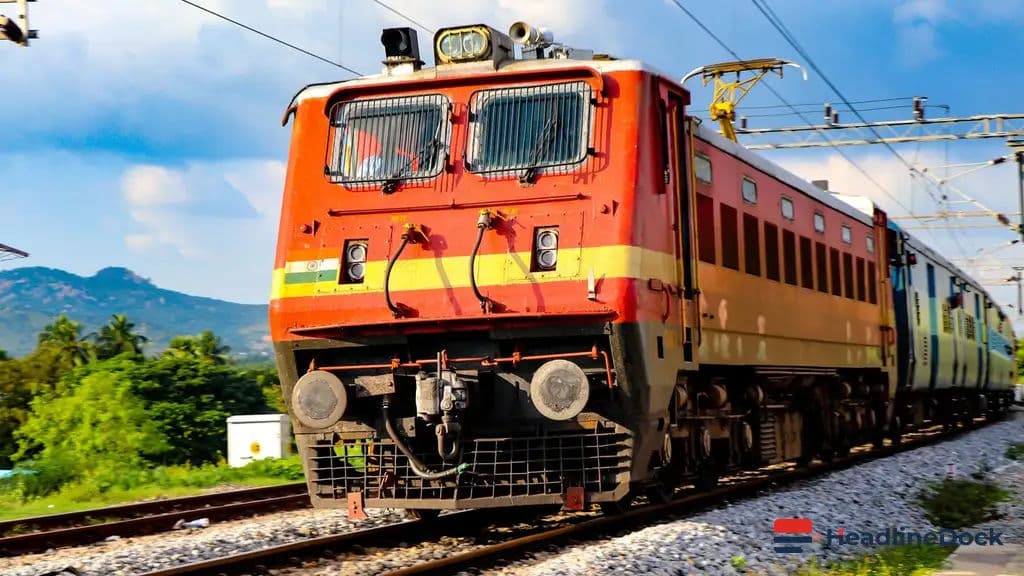
Indian Railways has successfully deployed Kavach 4.0 on 1,452 kilometers of popular routes, significantly improving train safety. The system features automatic brake activation in adverse conditions and is fully integrated with modern railway infrastructure.
Highlights
- •Kavach 4.0 has been installed on 1,452 kilometers of the most traveled railway routes in India
- •The system is fully developed and manufactured in India and has received safety certification (SIL-4)
- •Kavach 4.0 includes several upgrades improving weather resilience and precise location tracking
- •The Railways have expanded their investment in safety activities by increasing safety expenditures to Rs 1,20,389 crore for the fiscal year 2026-27.
India's Railway Ministry has taken a significant stride towards enhancing passenger safety with the implementation of the 'Kavach 4.0' system on 1,452 kilometers of the most frequently traveled routes.
Developed and manufactured domestically, Kavach 4.0 has successfully been integrated on the bustling Delhi-Mumbai and Delhi-Howrah trunk lines, proving its efficacy in averting potential train accidents.
An important feature of Kavach 4.0 is the system's ability to automatically activate the brakes if the locomotive driver fails to engage the brakes or disregards safety signals, ensuring safe train operations in adverse weather conditions.
In addition to these enhancements, Kavach 4.0 now includes precise location tracking, improved signal information at large yards, and seamless integration with the electronic interlocking system. These upgrades are planned to roll out across the entire network.
To support the implementation of Kavach, the Railways have installed 8,570 kilometers of optical fiber cable and 1,100 telecom towers. Data centers have also been established at 767 stations, and security and equipment have been set up along 6,776 kilometers of track.
Simultaneously, the Railways have expanded their investment in safety activities, increasing safety expenditures to Rs 1,20,389 crore for the fiscal year 2026-27. This investment has resulted in a considerable reduction in major train accidents, with the number of critical incidents decreasing by 90% over the past years.