Indian Households Selling Old Gold As Market Prices Face Sharp Correction
Amid a sharp correction in gold prices, Indian households are increasingly selling old jewelry to secure gains. The trend, supported by government efforts to curb imports, is significantly boosting the country's organized gold recycling industry as families choose to monetize idle assets during market volatility.

Highlights
- •Indian households sold nearly 50 tonnes of old gold during the April-June quarter, a 43% year-on-year increase.
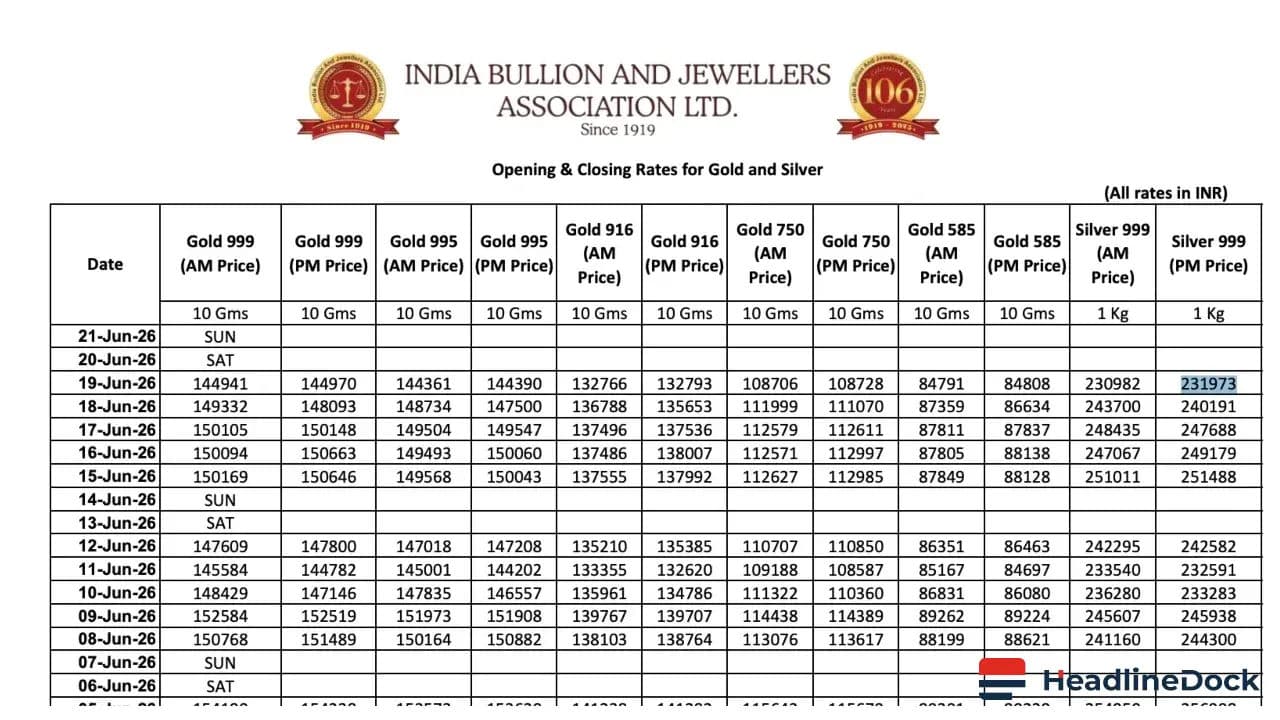
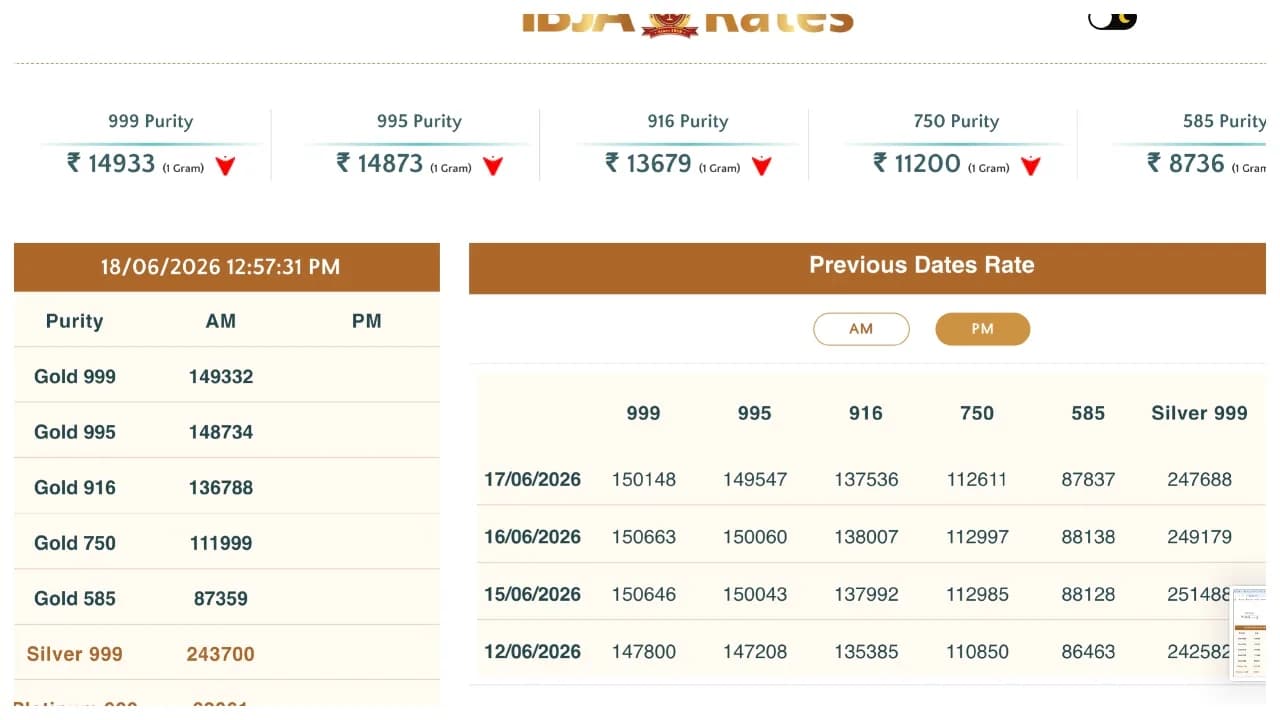
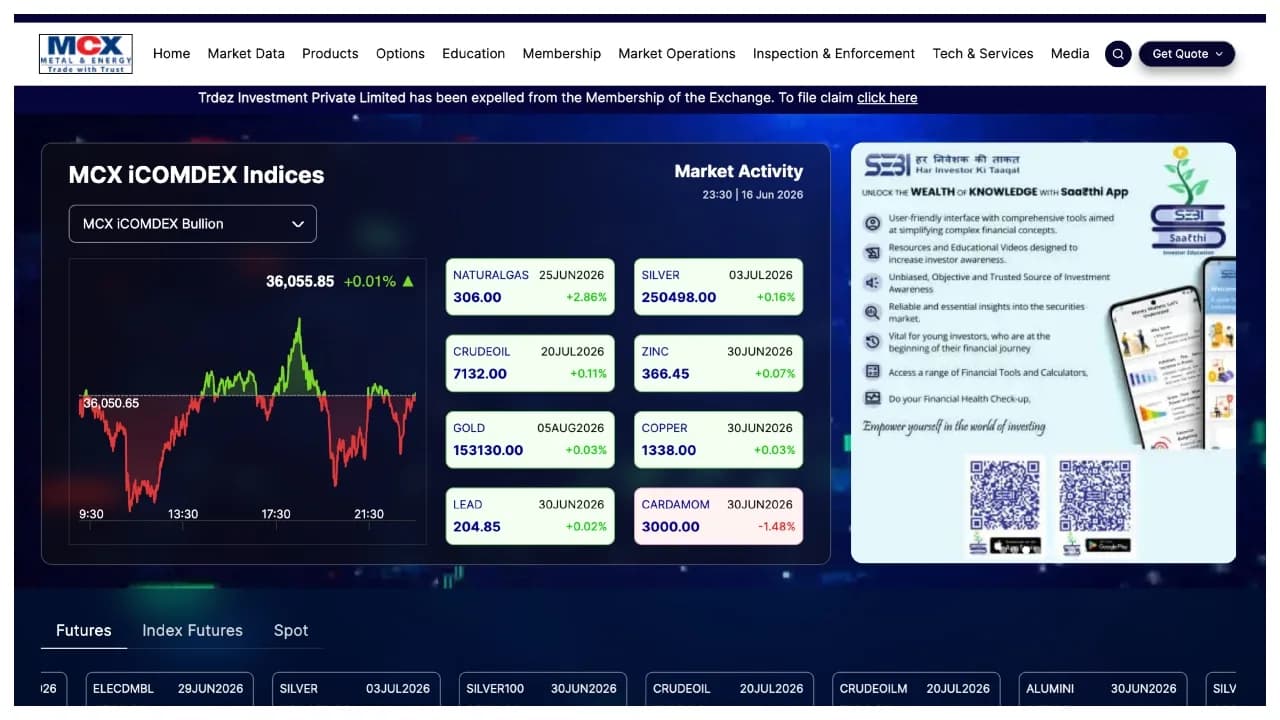
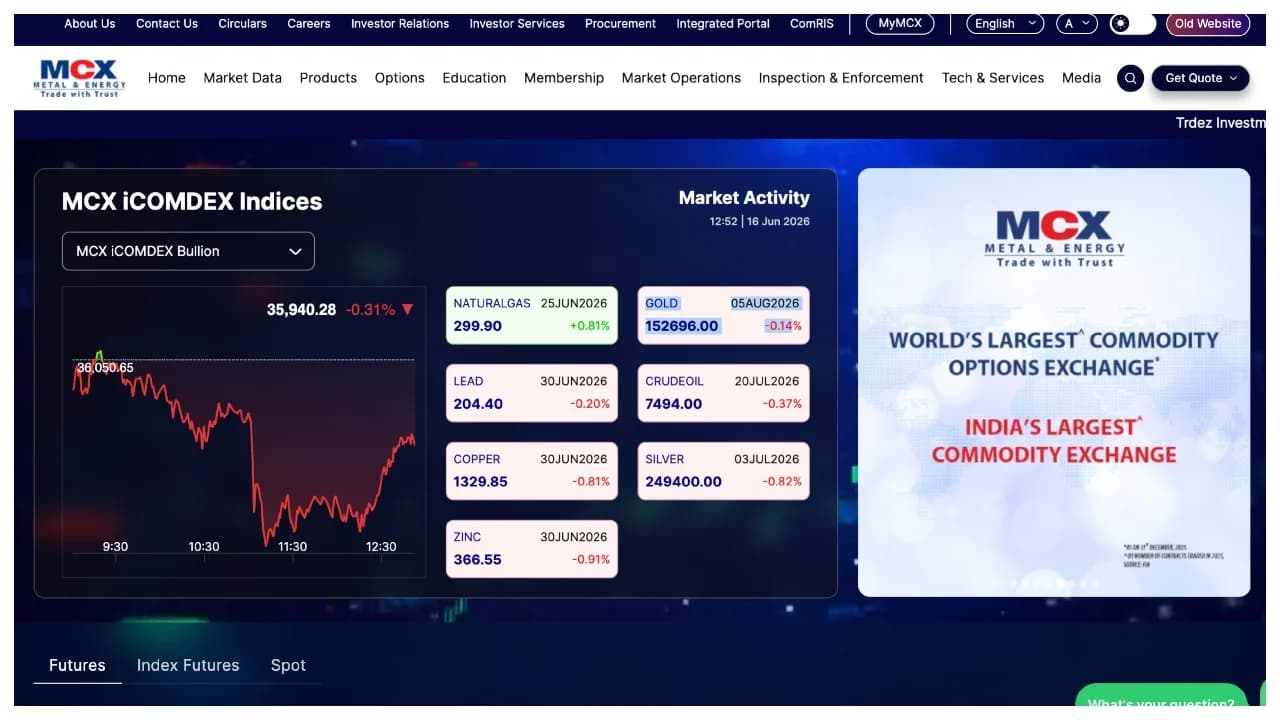
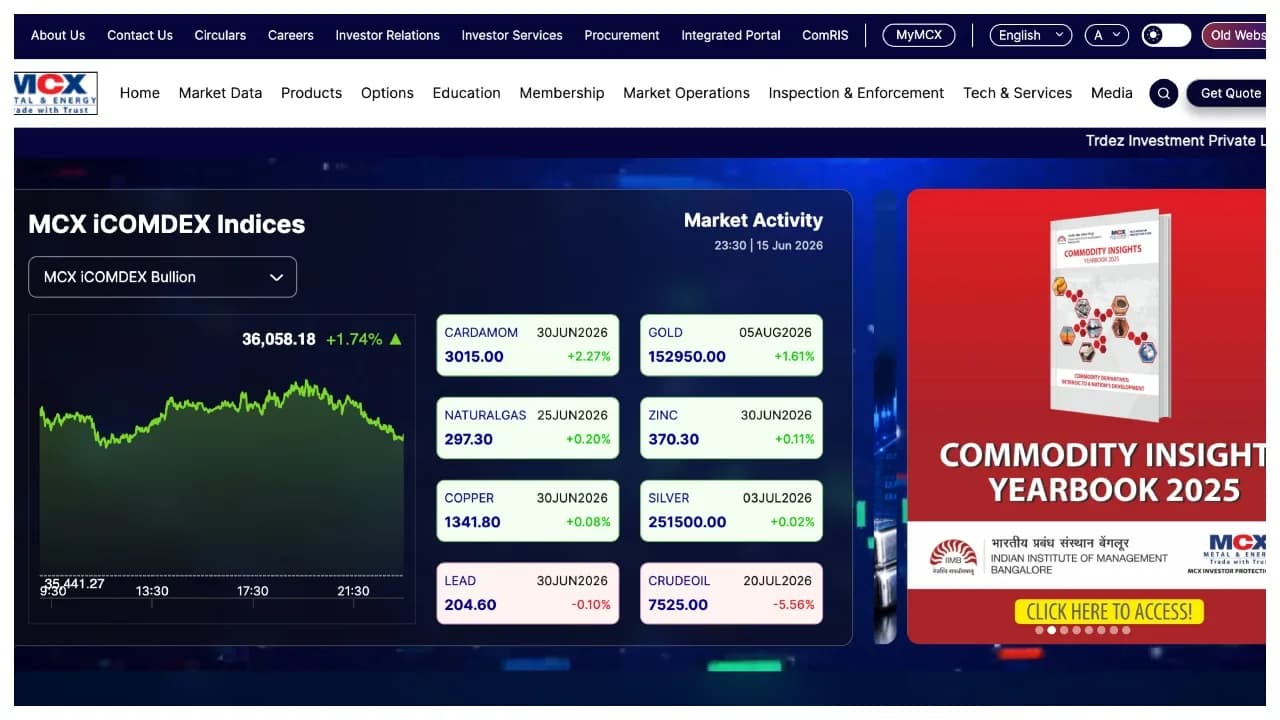
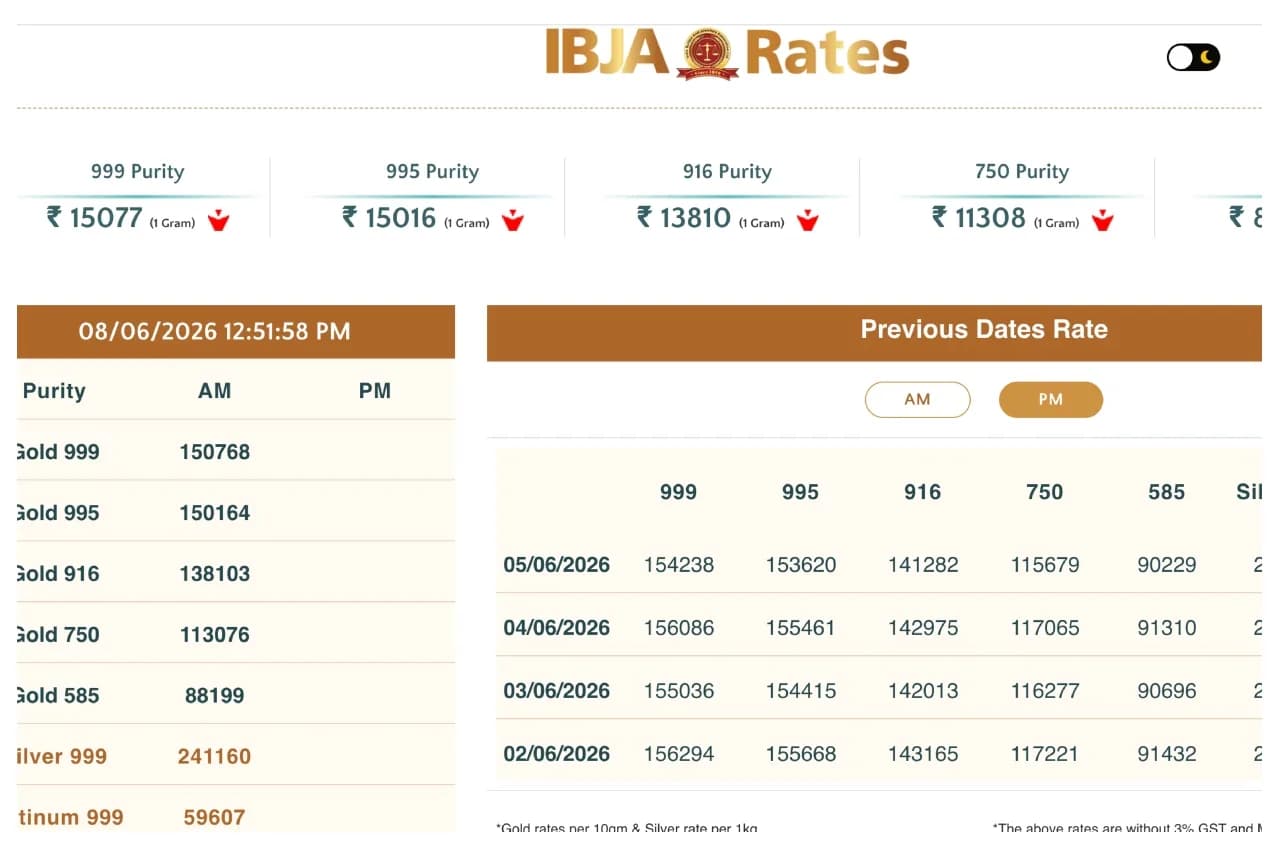
- •Gold prices have witnessed a sharp correction, dropping by over Rs 13,000 per 10 grams since May 2026.
- •The government raised effective import duties to 15% to curb foreign exchange outflows and reduce reliance on imports.
- •Organized recycling industries reported a 40% rise in volume as consumers seek transparent ways to monetize idle assets.
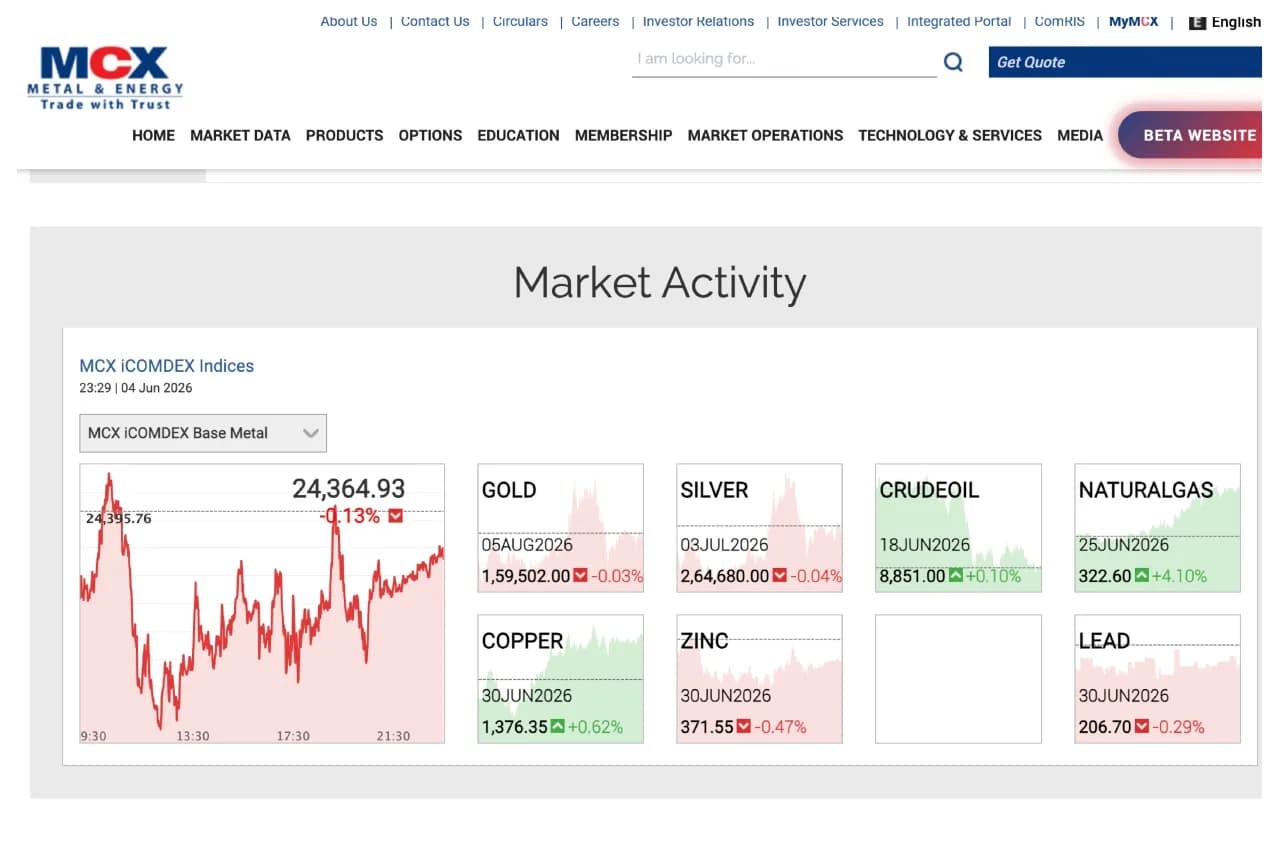
As gold prices undergo a significant correction from their record-breaking peaks, Indian households selling old gold have become a prominent trend across the country. Many families are opting to monetize their idle jewelry holdings, driven by the fear that market values may experience further declines. With recent trading prices hovering around Rs 1.4 lakh per 10 grams, consumers are eager to secure gains before the market retreats even further.
Market Shifts and Consumer Behavior
According to data from the Indian Bullion & Jewellers Association, there was a substantial 43% increase in the volume of old gold sold during the April-June quarter, totaling approximately 50 tonnes. This shift is influenced not only by individual profit-taking but also by broader economic factors, including domestic policy measures aimed at stabilizing the rupee and curbing foreign exchange outflows. Prime Minister Narendra Modi had previously urged citizens to defer non-essential purchases, such as gold and foreign travel, to help strengthen the nation’s foreign exchange reserves.
Furthermore, the government’s decision to raise the effective import duty on gold and silver to 15% has added pressure to the market. While this policy was designed to moderate import dependency, it has contributed to a cooling of domestic demand. As a result, companies like Muthoot Exim have reported a 40% surge in old gold volumes as households increasingly utilize organized and transparent recycling channels to unlock the value of their assets.
Strategic Financial Decisions
The rise of Indian households selling old gold has provided a significant boost to the organized recycling industry. Instead of remaining dormant in bank lockers, these precious metals are being refined and funneled back into the formal economy. Industry experts note that if current trends persist, recycled gold contributions could climb significantly, potentially reaching 200–250 tonnes this year.
While the act of selling appears driven by short-term market fears, financial advisors suggest that decisions should remain rooted in individual financial goals. For those holding surplus jewelry, current market levels present a viable opportunity to liquidate idle assets. However, long-term investors are encouraged to maintain their holdings as a traditional hedge against inflation and global geopolitical uncertainty. As the market navigates these fluctuations, the focus remains on balancing personal liquidity needs with the enduring value of gold in an unstable economic environment.