India’s GDP Growth Projected at 6.6% Amid Energy and Monsoon Challenges
S&P Global Ratings has lowered India's GDP growth forecast to 6.6% for the coming fiscal year due to monsoon deficits and energy instability. Meanwhile, the government is accelerating trade negotiations with the US and preparing for the upcoming India-UK CETA implementation.
Highlights
- •S&P Global Ratings revises India's GDP growth projection downward to 6.6% for the current fiscal year.
- •A 43% monsoon rainfall deficit and global energy market stress are identified as primary drivers for the slowdown.
- •India is working to finalize an interim trade deal with the US before the July 24 tariff deadline.
- •Commerce Minister Piyush Goyal will visit the UK to oversee the implementation of the India-UK CETA starting July 15.
India’s GDP growth projection for the upcoming fiscal year has been revised downward to 6.6 percent, according to the latest report by S&P Global Ratings. This adjustment reflects significant headwinds, including a notable energy market stress, a weaker-than-expected monsoon, and a broader slowdown in the global economy. For comparison, the nation achieved a robust 7.7 percent growth during the 2025-26 period.
Economic Challenges and Inflationary Pressures
The forecast, which aligns with estimates provided by the Reserve Bank of India (RBI), highlights the severe impact of El Nino on agriculture. Precipitation levels have faced a substantial 43 percent deficit as of June 22. In response, the central government has initiated state-specific contingency strategies, such as promoting alternative crops resilient to low-rainfall environments. Furthermore, because India relies on imports for 88 percent of its crude oil requirements, rising global energy costs are exerting pressure on the national import bill and stoking domestic inflation.
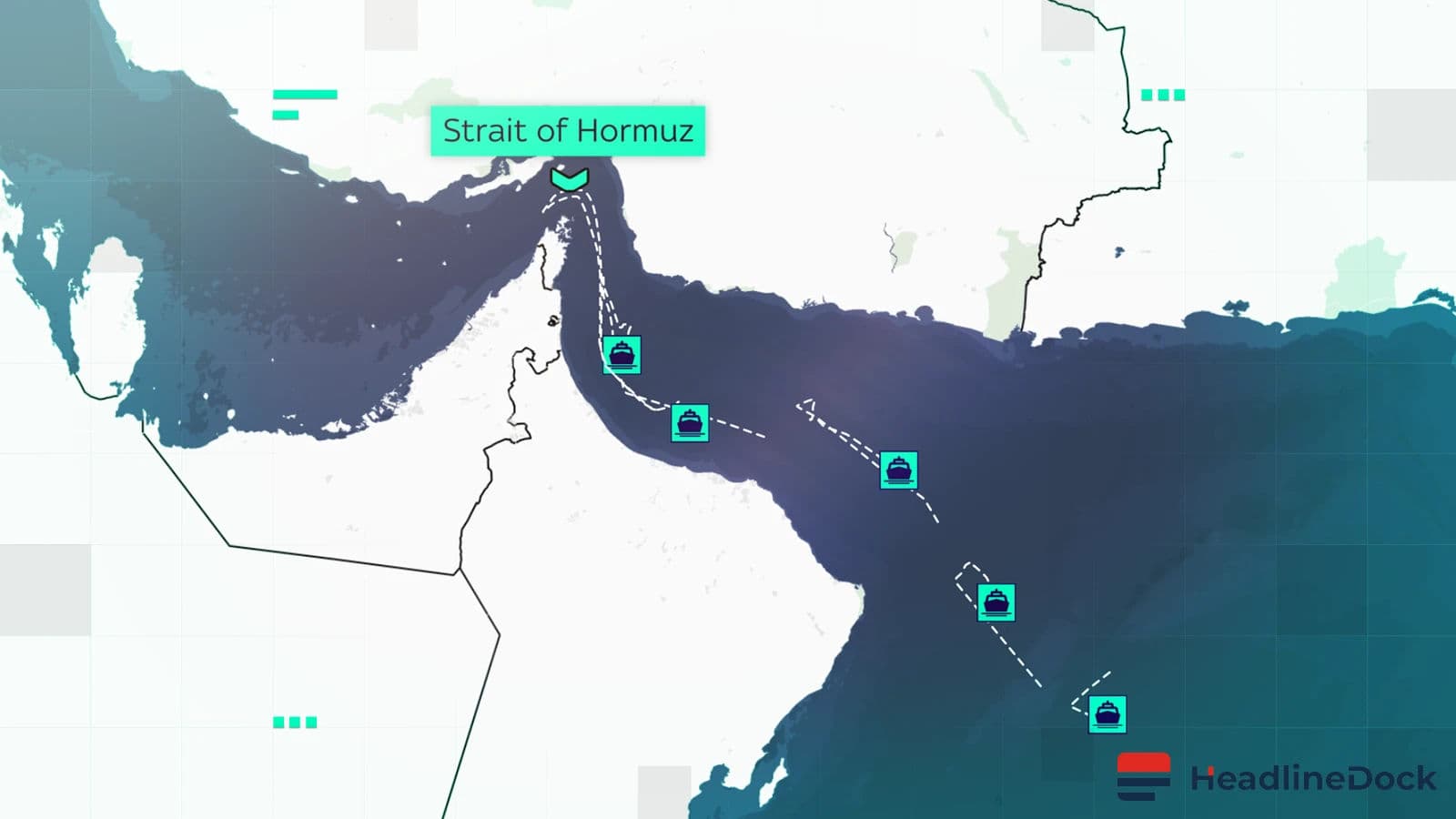
The report underscores that elevated energy prices, driven partly by geopolitical tensions in West Asia, are complicating the industrial landscape. Businesses are encountering higher input costs and extended delivery timelines. Moreover, the surging cost of fertilizers is negatively impacting food production and contributing to higher retail prices. The S&P analysis suggests that consumer inflation may rise by 0.5 to 0.6 percentage points in the third quarter, reaching approximately 5.1 percent for the fiscal year, as manufacturers pass on energy-related expenses to the public.
Trade Diplomacy and International Agreements
In parallel with these economic assessments, India is actively engaged in crucial trade negotiations. Ministerial-level talks between Commerce Minister Piyush Goyal and the US Trade Representative Jamieson Greer have progressed significantly. The two nations are aiming to finalize a landmark interim trade pact before the expiration of temporary 10 percent tariffs on July 24. This initiative seeks to bolster supply chain resilience and expand market access for both countries.
Additionally, Piyush Goyal is set to travel to the United Kingdom from June 25 to 27. The objective is to manage the implementation of the India-UK Comprehensive Economic and Trade Agreement (CETA) and the accompanying Double Contribution Convention (DCC), which are scheduled to take effect on July 15, 2026. These efforts are part of a larger strategy to hit $120 billion in bilateral trade by 2030, involving high-level consultations with major financial institutions like JP Morgan, Morgan Stanley, and HSBC to further integrate the Indian economy with global markets.