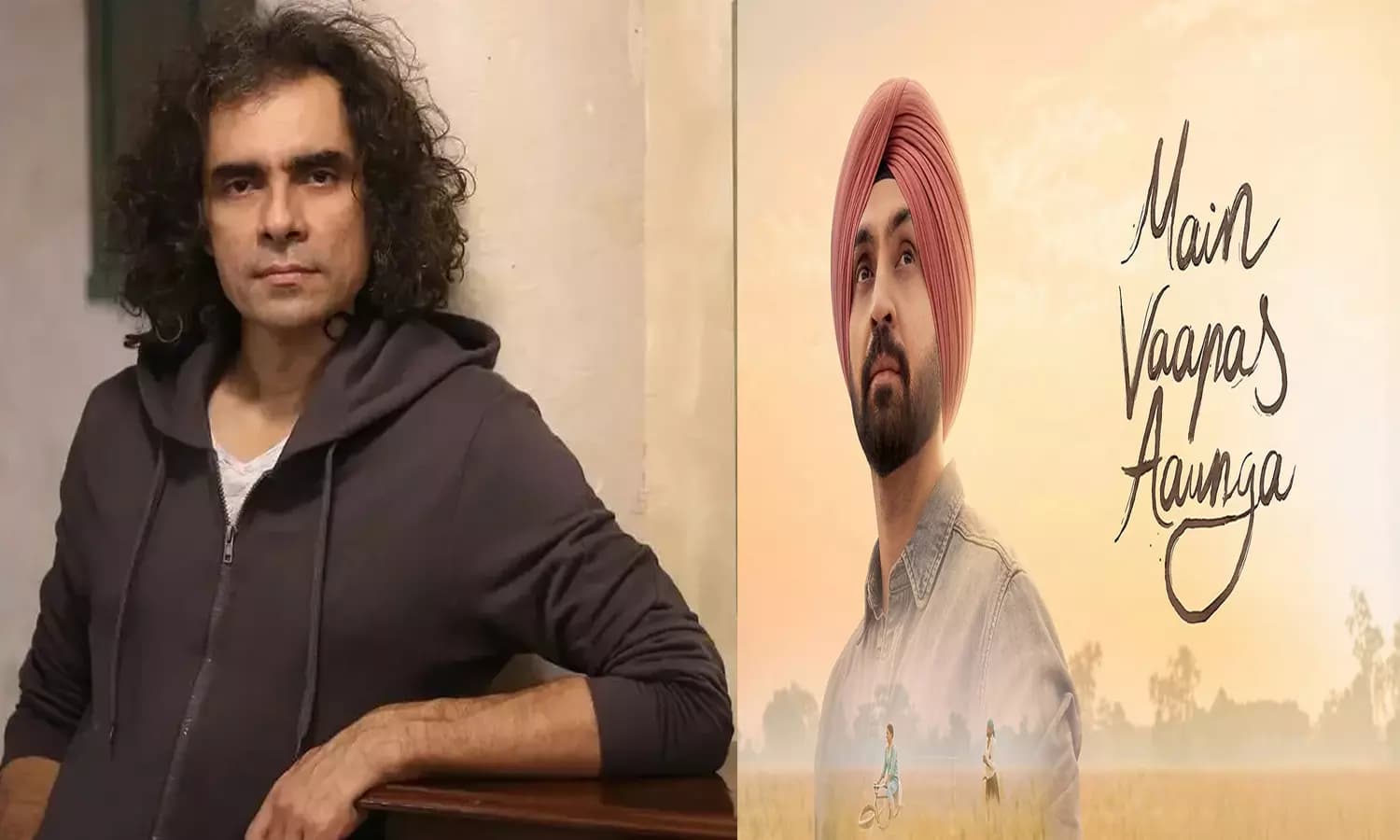
Imtiaz Ali Faces Viral Debate Over Political Stance on Main Vaapas Aaunga
Filmmaker Imtiaz Ali is facing significant backlash over his new film, 'Main Vaapas Aaunga'. Critics are comparing his past professional links to Israel with the film’s anti-violence message, creating a polarized debate between emotional audience appreciation and accusations of hypocrisy regarding his political consistency.
Highlights
- •Imtiaz Ali's latest film, 'Main Vaapas Aaunga', has ignited an intense online debate regarding his personal political stance.
- •Critics are pointing to the director's past involvement with an Israeli-government sponsored delegation as evidence of hypocrisy.
- •The controversy centers on the perceived contrast between his film's anti-violence themes and his previous professional associations.
- •Audiences remain deeply divided, with many praising the film's emotional storytelling while critics continue to question his consistency.
The latest directorial project from Imtiaz Ali, titled Main Vaapas Aaunga, has triggered a significant online controversy regarding the filmmaker's political stance. Set against the harrowing backdrop of the 1947 Partition of India, the film explores themes of humanism, memory, and the lasting impact of historical borders. However, this artistic focus on peace and anti-violence has sparked a wave of digital criticism that accuses the director of hypocrisy.
Examining the Backlash and Political Criticism
The primary source of this intense debate stems from Imtiaz Ali’s past professional associations, which critics claim contradict the empathetic messages presented in his new film. Activists and netizens have drawn attention to his previous participation in a state-sponsored initiative known as Shalom Bollywood. This program, which received funding from Israel’s Ministry of Culture and Tourism, was designed to encourage Indian filmmakers to utilize locations in Israel for their cinematic productions. Critics are now labeling this past engagement as an attempt at cultural image-washing, arguing that it stands in stark contrast to the anti-border and anti-violence themes currently championed in Main Vaapas Aaunga.
The scrutiny intensified following social media posts from December, which documented the director’s recent vacation in Israel. Observers on the internet have been quick to point out that public perception of an artist's integrity often relies on consistency between their personal actions and their creative output. One social media user noted that when a creator's politics appear to shift in alignment with contemporary audience sentiments, it can lead to accusations of strategic behavior rather than genuine adherence to principle, emphasizing that digital discourse keeps a permanent record of past actions.
Polarized Public Response to the Cinematic Narrative
Despite the ongoing digital ideological conflict, the film continues to elicit a strong emotional reaction from audiences. Many viewers have been moved by the core narrative, which centers on the traumatic experience of displacement and the lasting scars left by the events of 1947. Videos circulating online feature patrons visibly overcome with emotion after screenings, highlighting the resonance of Imtiaz Ali’s storytelling regarding human connection and the futility of division.
In response to the mounting criticism, Imtiaz Ali has maintained that his motivations for the film are deeply personal and entirely independent of political malice. Nevertheless, the situation has created a notable polarization. While fans celebrate the emotional depth and universal message of the film, vocal detractors remain fixed on reconciling his past associations with his present artistic narrative. The ongoing debate serves as a testament to how modern digital scrutiny can place public figures under a microscope, ensuring that their past professional choices remain relevant to current discussions about their work and values.