IMD Issues Caution on Paddy Selection for Kharif Season in Telangana
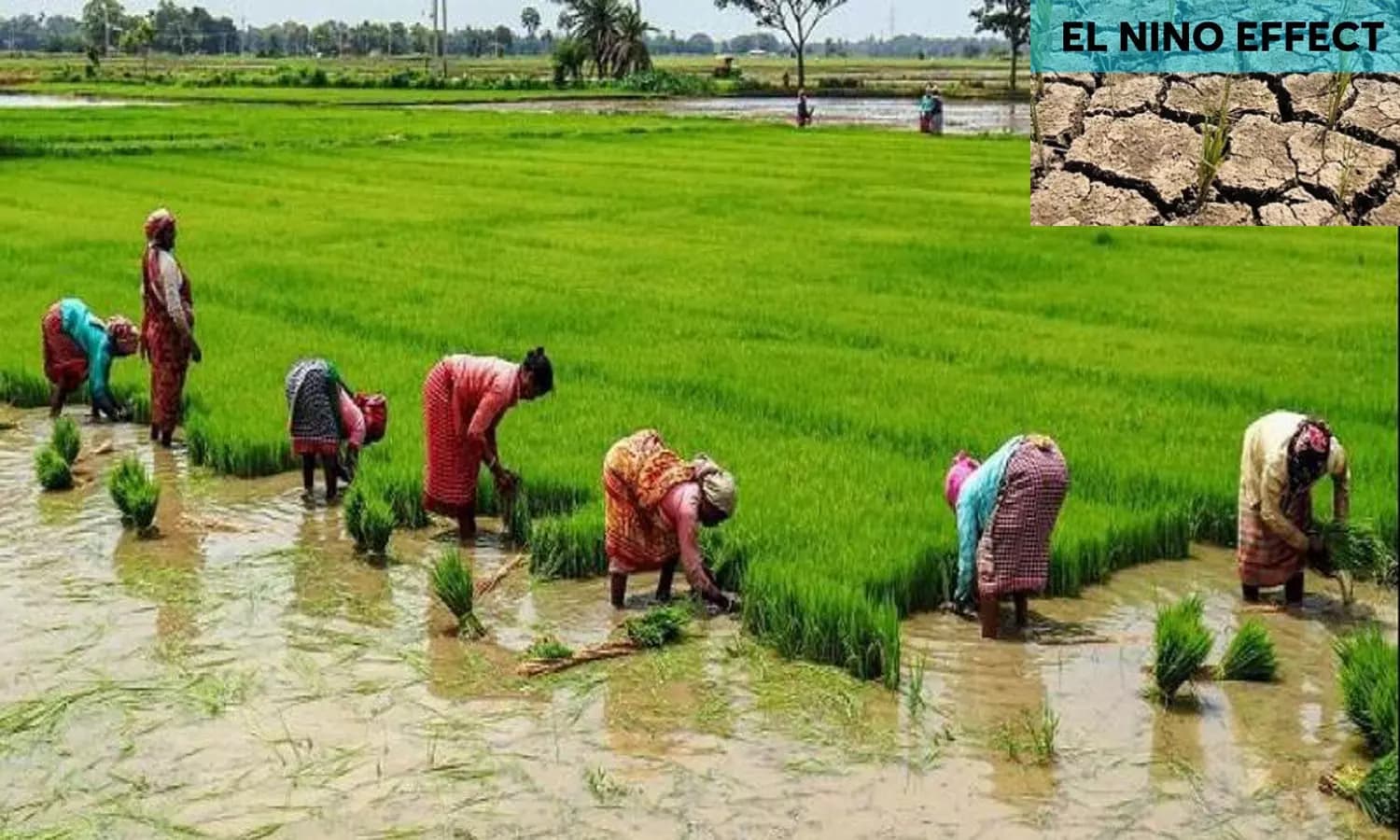
The IMD has cautioned Telangana farmers against sowing the Telangana Sona (RNR 15048) paddy variety during June. Instead, the department recommends focusing on rainfed crops like cotton and maize once sufficient soil moisture levels have been achieved based on cumulative rainfall.
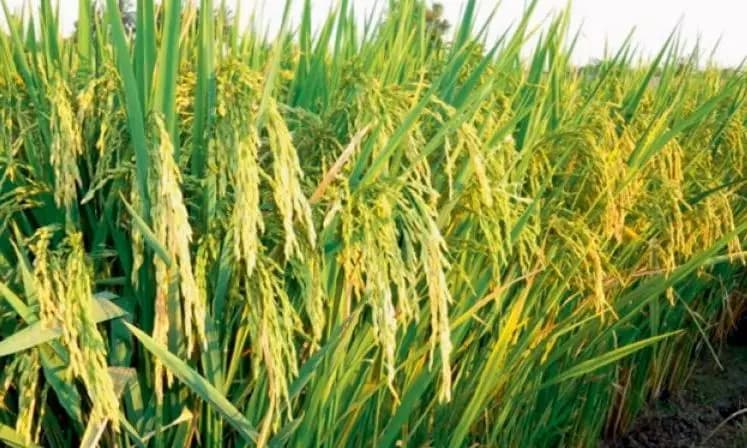
Highlights
- •IMD advises against sowing Telangana Sona (RNR 15048) paddy in June due to rainfall patterns.
- •Farmers encouraged to shift focus to rainfed crops like cotton, soybean, and maize.
- •Sowing should only occur after cumulative rainfall of 50-75 mm depending on soil type.
- •Soil must maintain moisture in the top 15-20 cm layer for optimal crop germination.
The India Meteorological Department (IMD) has issued an official advisory regarding the upcoming Kharif season, urging farmers to exercise caution when selecting rice varieties for planting. In its latest agro-meteorological bulletin released on June 16, the weather agency specifically advised agriculturalists to avoid initiating nurseries for one of the seven fine-grain rice varieties previously recommended by the state administration.
IMD Advisory on Kharif Paddy Varieties and Sowing
The IMD has explicitly cautioned against the sowing of the Telangana Sona (RNR 15048) paddy variety during the month of June. This recommendation is based on a comprehensive assessment of the rainfall patterns observed in the region thus far. The agency suggests that current conditions may not be optimal for this particular rice variety, prompting a reevaluation of agricultural plans to ensure better yields for the farmers of Telangana.
Instead of proceeding with the recommended paddy cultivation, the meteorological experts have advised shifting focus toward rainfed crops. Farmers are encouraged to consider planting alternatives such as cotton, soybean, maize, jowar, redgram, greengram, blackgram, and castor. Diversifying crop selection based on these scientific insights could help mitigate risks associated with unpredictable weather patterns often encountered during the monsoon season.
The bulletin further clarifies that any agricultural sowing activity should only be undertaken once specific soil moisture conditions are met. The IMD guidelines stipulate that farmers should wait until the land has received a cumulative rainfall of 50-60 mm in light soil areas and 60-75 mm in areas characterized by heavy soils within a single week. Additionally, it is advised that sowing should be prioritized when the top 15 to 20 cm of the topsoil has become saturated and retains consistent moisture. Adhering to these precise agro-meteorological protocols is essential for ensuring successful seed germination and long-term crop health during this critical phase of the Kharif farming cycle. By following these evidence-based directives, farmers can better align their operations with environmental realities, thereby protecting their investments and securing future harvests.