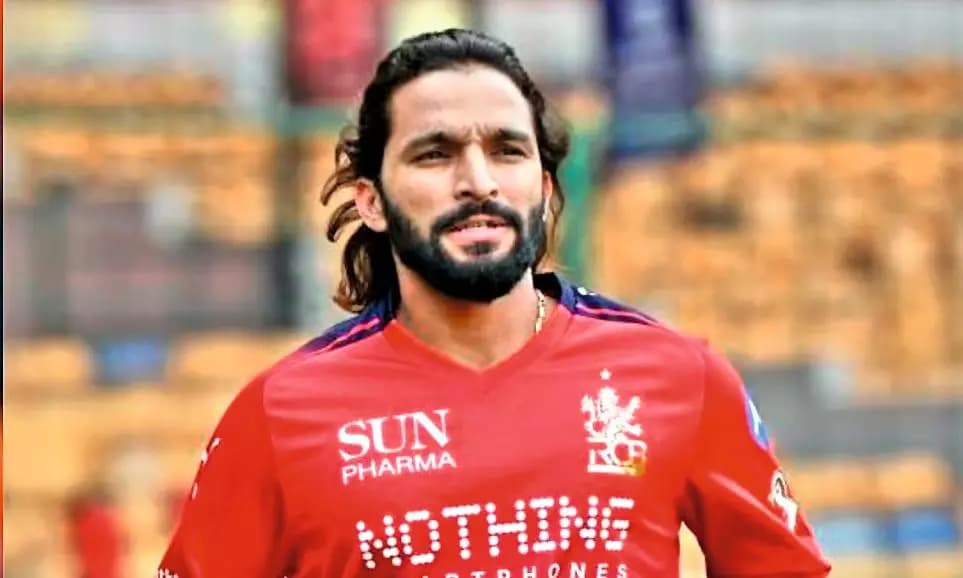
Ilan Goldfajn Pitches Ethical Rare Earth Mining to Pope Leo XIV
The head of the Inter-American Development Bank met with Pope Leo XIV to promote a sustainable framework for rare earth mining in Latin America, aiming to balance economic development with the Vatican's strict concerns regarding environmental impact and the rights of Indigenous communities.
Highlights
- •Ilan Goldfajn of the Inter-American Development Bank met with Pope Leo XIV to discuss the future of rare earth mining in Latin America.
- •The IADB currently manages a $4 billion pipeline of critical mineral projects across Chile, Argentina, and Brazil.
- •Pope Leo XIV holds personal experience with mining impacts from his two decades of missionary work in Peru.
- •The Vatican continues to advocate for divestment from mining industries to protect Indigenous lands and water resources.
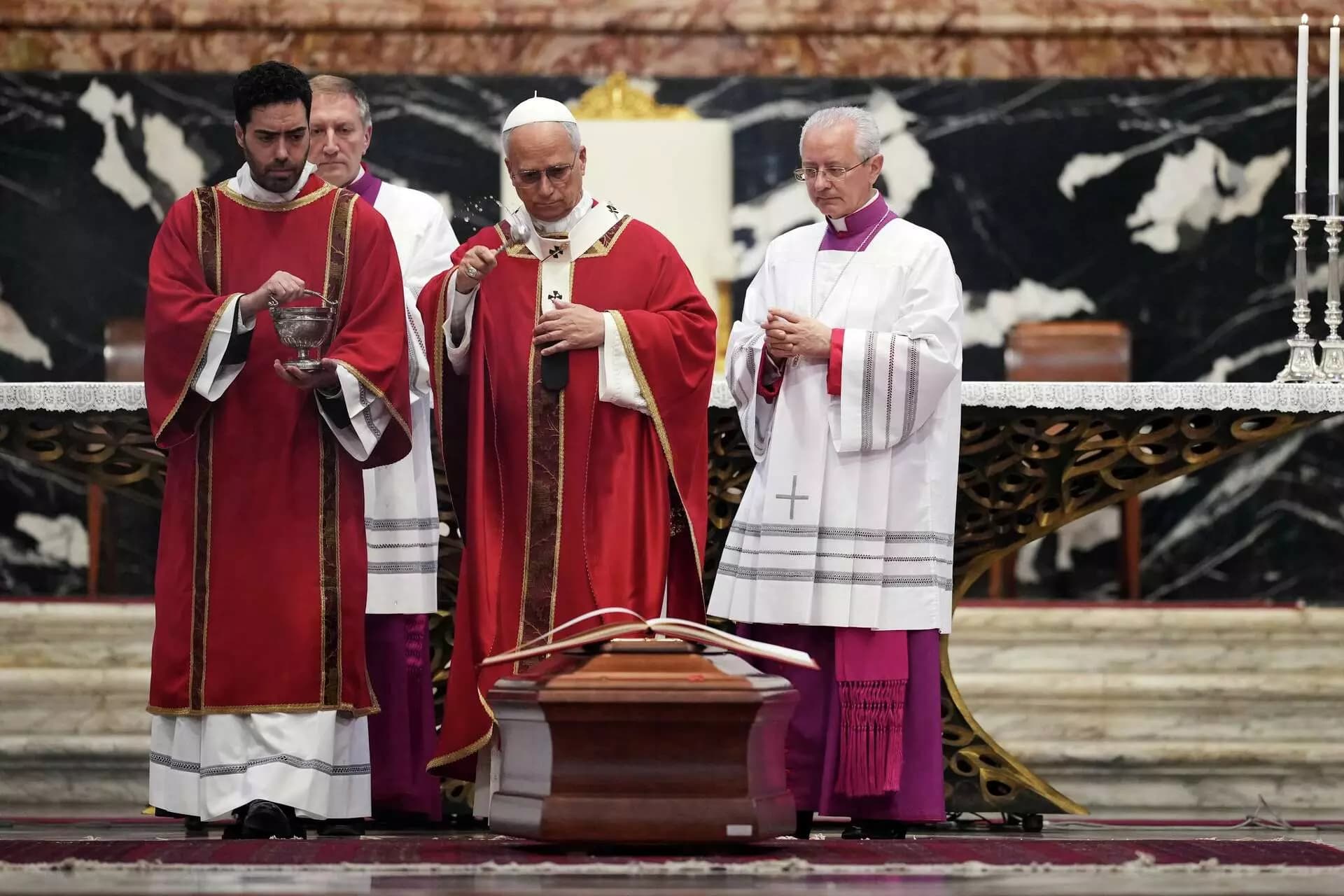
In a significant high-level engagement held in Rome this past week, Ilan Goldfajn, the president of the Inter-American Development Bank, presented a case to Pope Leo XIV regarding the future of rare earth mining. The discussion centered on balancing the global surge in demand for critical minerals with the need for ethical extraction practices in Latin America.
The dialogue comes as the Vatican maintains a critical stance toward the mining industry, often highlighting the environmental degradation and the displacement of Indigenous peoples. Goldfajn argued that the regional economies in Latin America stand to benefit significantly from their mineral wealth, provided there are stringent safeguards, improved labor standards, and a focus on adding value locally. Currently, the Inter-American Development Bank manages a pipeline of critical mineral projects valued at approximately $4 billion, spanning countries such as Chile, Argentina, and Brazil.
Navigating Ethical Extraction and Rare Earth Mining
The global transition toward modern technology, including electric vehicles, semiconductors, and jet engines, has turned rare earth minerals like lithium, cobalt, copper, and nickel into highly sought-after resources. However, Pope Leo XIV possesses deep personal insight into this sector, having spent two decades working as a missionary in Peru. His ministry in regions like Piura and Trujillo exposed him to the direct impact of mining operations on local environments and communities.
The tension remains palpable, as the Vatican has recently championed campaigns encouraging institutional divestment from the mining sector. Efforts such as the Church and Mining Network aim to inform local congregations and Indigenous groups about the risks associated with extraction activities. Analysts suggest that the Pope’s perspective holds considerable weight, influencing how religious institutions across Latin America engage with corporations involved in the extraction of rare earth mining resources.
While the IADB head emphasized that the region has the necessary tools to implement sustainable and transparent governance, the history of the industry—marked by water contamination and land disputes—remains a major point of contention. The Pope has consistently denounced profit-oriented mentalities that prioritize wealth accumulation over the welfare of vulnerable populations and the health of the planet. As the global community shifts toward green energy, the conversation between developmental banking and religious authority highlights the complex moral landscape of securing the materials needed for the digital age.