Hyundai Exter vs Grand i10 Nios: Which is the Better Choice in 2026?
The Hyundai Exter and Grand i10 Nios offer distinct advantages over one another. While the Nios provides affordability, the Exter excels in luxury, features, and space. Drivers choosing between these two models must prioritize their needs.
Highlights
- •Hyundai Exter vs Grand i10 Nios: Comparison of Price and Variants
- •Exter offers premium features like electric sunroof and dashcam, while Nios remains a practical hatchback
- •Dimensions: Exter is longer by 15mm and taller by 123mm compared to the Nios
- •Boot space difference of 131 liters favoring the Exter
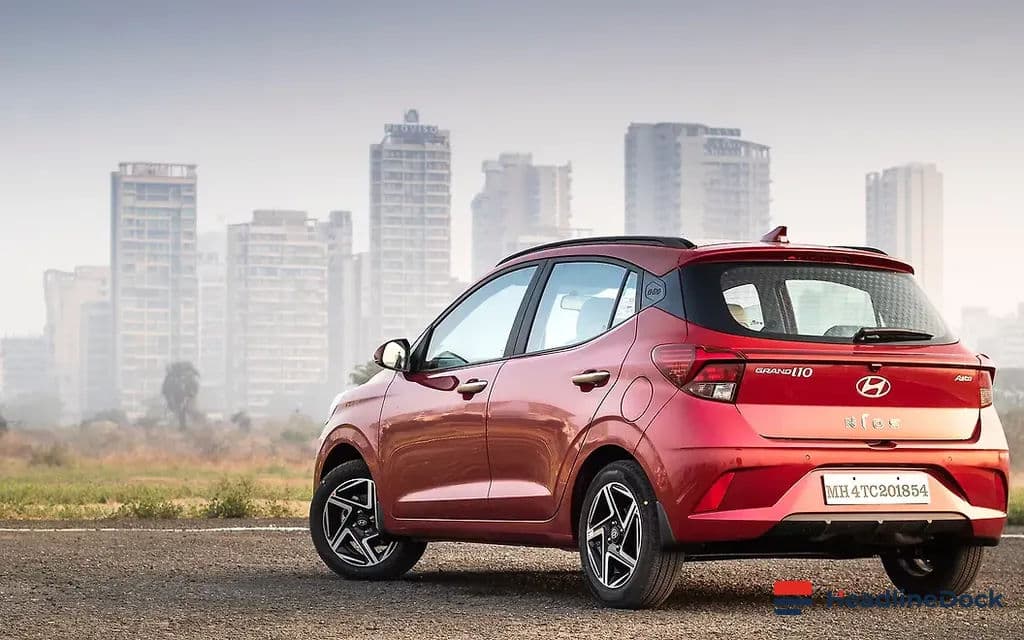
Hyundai's Exter and Grand i10 Nios are two popular offerings from the automaker, both sharing a common platform yet offering distinct experiences. While the Grand i10 Nios remains a stylish hatchback in its segment, the Exter has been overhauled to bring a touch of luxury as a micro-SUV. Post its facelift, many wonder if the Exter's premium features and commanding design justify its higher price.
Price and Variants
In terms of affordability, the Grand i10 Nios remains the more budget-friendly option. The starting ex-showroom price for the Nios is ₹5.55 lakh, reaching up to ₹7.92 lakh for its top variant. On the other hand, the Exter Facelift 2026 starts at ₹5.80 lakh and goes as high as ₹9.57 lakh for the more premium variants. This translates into a difference of around ₹25,000 in base models and up to ₹1.65 lakh between the top models.
For those looking to stretch their budget without much additional cost, the Nios offers a viable alternative, especially if premium features are not a priority. However, the Exter excels with its modern design and advanced amenities, making it more suitable for customers seeking a higher level of comfort and luxury.
Size and Space
The Hyundai Exter boasts an imposing presence with dimensions that make it feel like a larger SUV. At 3,830 mm in length compared to the Nios' 3,815 mm, the Exter is noticeably longer. It also stands taller by 123 mm, offering greater headroom and a more elevated seating position for passengers. Although both vehicles share a wheelbase of 2,450 mm, legroom remains almost identical.
The boot space is one area where the Exter clearly outshines, with a generous capacity of 391 liters compared to the Nios' more modest 260 liters. This feature makes the Exter an ideal choice for those requiring ample carrying capacity.
Engine and Performance
The engines powering both models are identical, utilizing a reliable 1.2-liter Kappa naturally aspirated petrol engine. This engine delivers impressive power of 83 PS and torque of 114 Nm, coupled with either a choice between a 5-speed manual or an advanced AMT gearbox. Both vehicles also incorporate Hyundai's Dual-Cylinder CNG technology for both economy and space efficiency, achieving up to 27.1 km per kg of fuel.
Features and Safety
The Grand i10 Nios comes with a suite of features such as an 8-inch touchscreen and wireless charging capability. However, it falls short in comparison to the Exter's premium offerings like a powerful electric sunroof, rear Type-C fast-charging port, and even a built-in dashcam for enhanced safety. Both vehicles include six airbags along with ESC and hill start assistance for safer driving.
The choice between an Exter or Nios depends largely on personal preferences and requirements. The Exter is ideal for those seeking a blend of luxury and functionality in a micro-SUV, while the Grand i10 Nios remains a reliable and practical hatchback at a competitive price point.