How Young Coquí Frogs Balance the Competing Demands of Growth and Disease
Researchers have discovered how young coquí frogs in Puerto Rico manage the critical trade-off between physical growth and immune defense against a deadly fungal pathogen. The study reveals that seasonal timing and energetic allocation are vital to the survival and long-term development of these miniature amphibians.
Highlights
- •Young coquí frogs must balance energetic trade-offs between physical growth and fighting off a deadly fungal pathogen.
- •Mathematical modeling shows that frogs prioritize growth when infection is low but shift energy to immune defense as risks rise.
- •Seasonal timing significantly impacts survival, with those hatching in warmer months faring better than those in cooler periods.
- •Infection creates hidden, long-term costs, such as stunted growth and delayed maturity, which threaten overall population health.
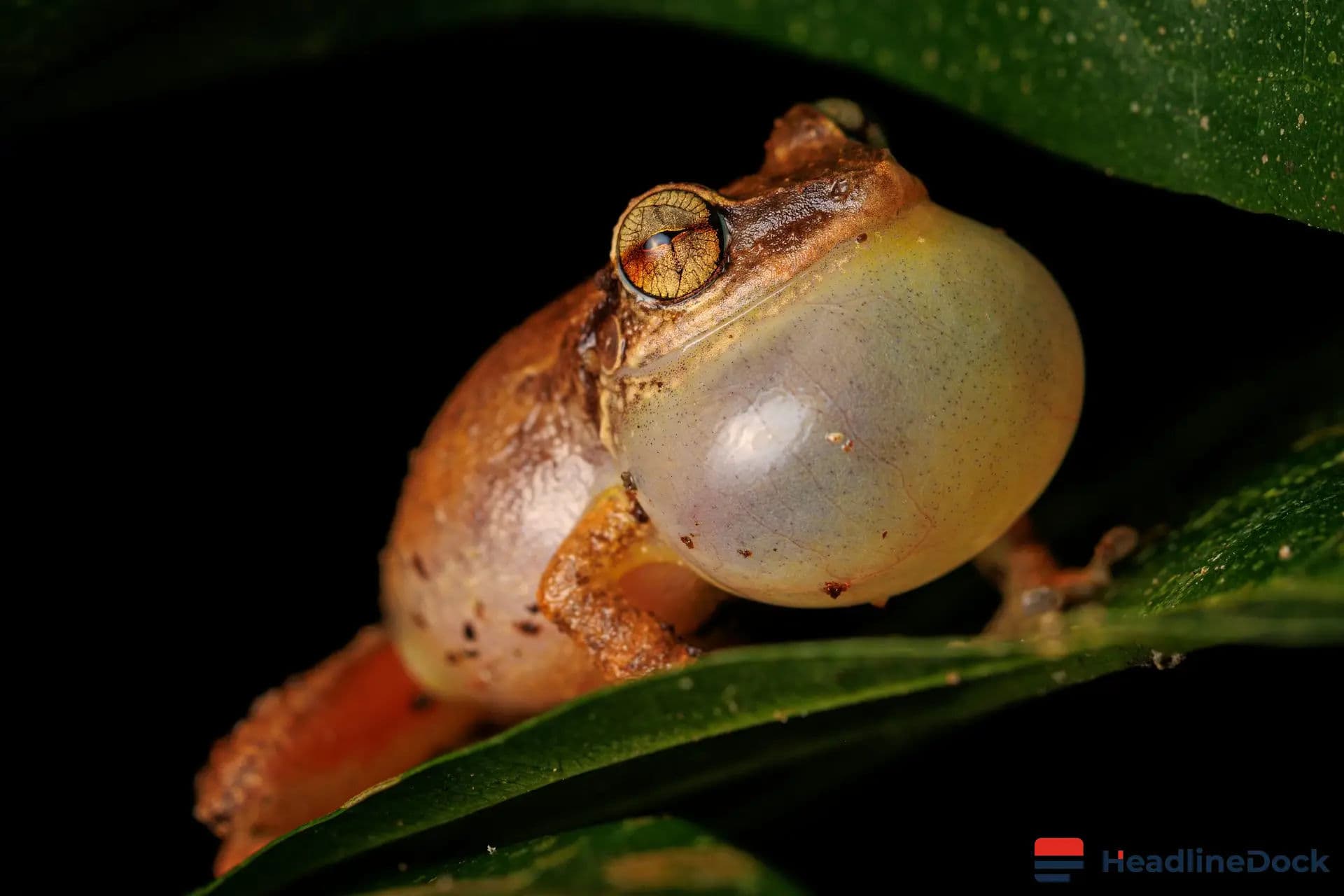
The common coquí frog, a species deeply associated with the soundscape of Puerto Rico, faces a complex biological struggle as it navigates growth while battling a pervasive fungal threat. Researchers at the University of Florida have conducted new studies to understand how these amphibians balance the energetic demands of developing to maturity versus mounting an immune response against a deadly pathogen.
For these miniature frogs, which hatch directly as tiny froglets, life is a high-stakes survival game. When a coquí frog encounters the fungal pathogen that has impacted over 500 amphibian species globally, it must decide how to allocate its limited energy reserves. This metabolic trade-off between growth and immune defense is crucial for the survival of the young coquí frog population, as failing to get it right can have fatal consequences.
Understanding the Energy Trade-off in Coquí Frogs
By integrating field data with advanced mathematical models, the research team identified key survival strategies. In environments with low infection pressure, these frogs prioritize rapid growth to deter predators and reach reproductive age quickly. However, as the presence of the pathogen increases, the energetic shift turns toward immune defense. While this strategy helps combat the infection, it comes at a significant cost: slower growth and delayed development.
These findings help explain why infected frogs observed in the wild are consistently smaller than their healthy counterparts. The research highlights that the deadly fungal pathogen exerts hidden costs that extend beyond immediate mortality, significantly altering the trajectory of frog development and long-term population recovery. These biological insights are essential for informing future conservation efforts, particularly regarding captive breeding programs.
The Impact of Seasonal Timing on Survival
Timing plays a critical role in the survival of young frogs. Those hatching during the warmer months, roughly from May through August, benefit from greater food availability, allowing them to grow faster and reach maturity with higher success rates. In contrast, frogs that hatch during the cooler months, between December and April, face harsher conditions. Lower temperatures not only suppress the immune function of the frogs but also disrupt beneficial microbial communities, leaving them more vulnerable to higher fungal loads.
Understanding these environmental dynamics allows scientists to predict how wildlife will respond to shifting climates and disease outbreaks. By identifying periods when the frogs are most vulnerable, conservationists can better manage invasive species control and support the health of the coquí frog population in Puerto Rico. Ultimately, these findings reveal that the survival of these iconic creatures is determined by a series of evolutionary-driven, invisible decisions made early in their life cycle.