How Young Coquí Frogs Balance Growth Against Deadly Fungal Infections
New research from the University of Florida explores how juvenile Coquí frogs in Puerto Rico navigate the trade-offs between physical growth and immune defense against a deadly fungal pathogen, highlighting crucial strategies for long-term survival in changing environments.
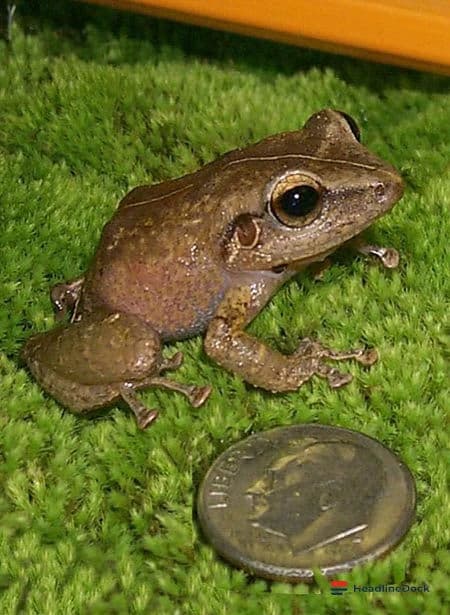
The coquí common frog, a tiny but iconic amphibian native to Puerto Rico, faces a complex biological struggle as it grows. New research reveals how these small frogs balance the competing demands of physical development and defending themselves against a widespread, deadly fungal pathogen. Understanding this coquí frog survival strategy provides crucial insights into how animal populations adapt to environmental challenges and disease.
In regions where they are considered an invasive species, such as Florida and Hawaii, these frogs have proven difficult to manage. However, in their native habitat, they must contend with a fungal infection that has significantly impacted over 500 amphibian species worldwide. Since 1976, this pathogen has been present in Puerto Rico, where it is known to hinder growth, often resulting in infected frogs being smaller than their healthy counterparts. Smaller body size in these amphibians is directly correlated with a higher risk of mortality, turning every stage of their early life into a high-stakes survival game.
Strategic Survival and Energy Trade-offs
A team of researchers from the University of Florida utilized field data and mathematical modeling to examine how juvenile coquí frogs allocate energy. Because these frogs bypass the tadpole stage and emerge from their eggs as miniature adults smaller than a fingernail, they are notoriously difficult to track in the wild. The study focused on how temperature fluctuations and infection levels throughout the year influence their ability to reach sexual maturity.
The research identified three fundamental rules governing coquí frog survival and development. First, when infection pressure is low, the frogs prioritize rapid growth to avoid predators and reach maturity faster. However, as the threat of infection rises, they pivot their energy resources toward strengthening their immune defenses, which inevitably slows their growth rate. This adaptive strategy allows them to tolerate a certain degree of illness before it becomes a lethal threat.
Impact of Environmental Factors
The second major finding highlights the hidden costs of the disease, as infection consistently leads to slower maturation, which negatively affects lifelong fecundity and overall survival rates. Finally, the timing of hatching plays a critical role. Frogs born during warmer months, specifically around May, benefit from greater food availability, allowing them to grow faster and survive more effectively than those born in cooler, less favorable conditions.
These findings extend beyond biology, offering significant implications for conservation efforts. By understanding when these amphibians are most vulnerable, experts can better coordinate captive breeding and release programs to align with favorable environmental windows. Ultimately, these insights provide a framework for predicting how various animal species might respond to evolving disease patterns and broader climate change impacts, emphasizing that survival often hinges on subtle, evolutionarily shaped decisions made early in life.