How World Cup Stars Use Sports Psychology to Gain a Competitive Edge
The 2026 FIFA World Cup highlights the crucial role of sports psychology in elite soccer. Top players like Messi and Haaland use cognitive techniques such as attentional fitness and controlled mind-wandering to outthink opponents and secure a vital psychological advantage on the pitch.

Highlights
- •Top footballers use advanced sports psychology and cognitive strategies to gain a competitive edge.
- •Disruption tactics and attentional fitness are critical for maintaining control under high-pressure match scenarios.
- •Evidence shows elite stars like Lionel Messi strategically use controlled mind-wandering to enhance their tactical vision.
- •Modern football prioritizes a balance of tactical creativity and discipline to navigate unpredictable tournament dynamics.
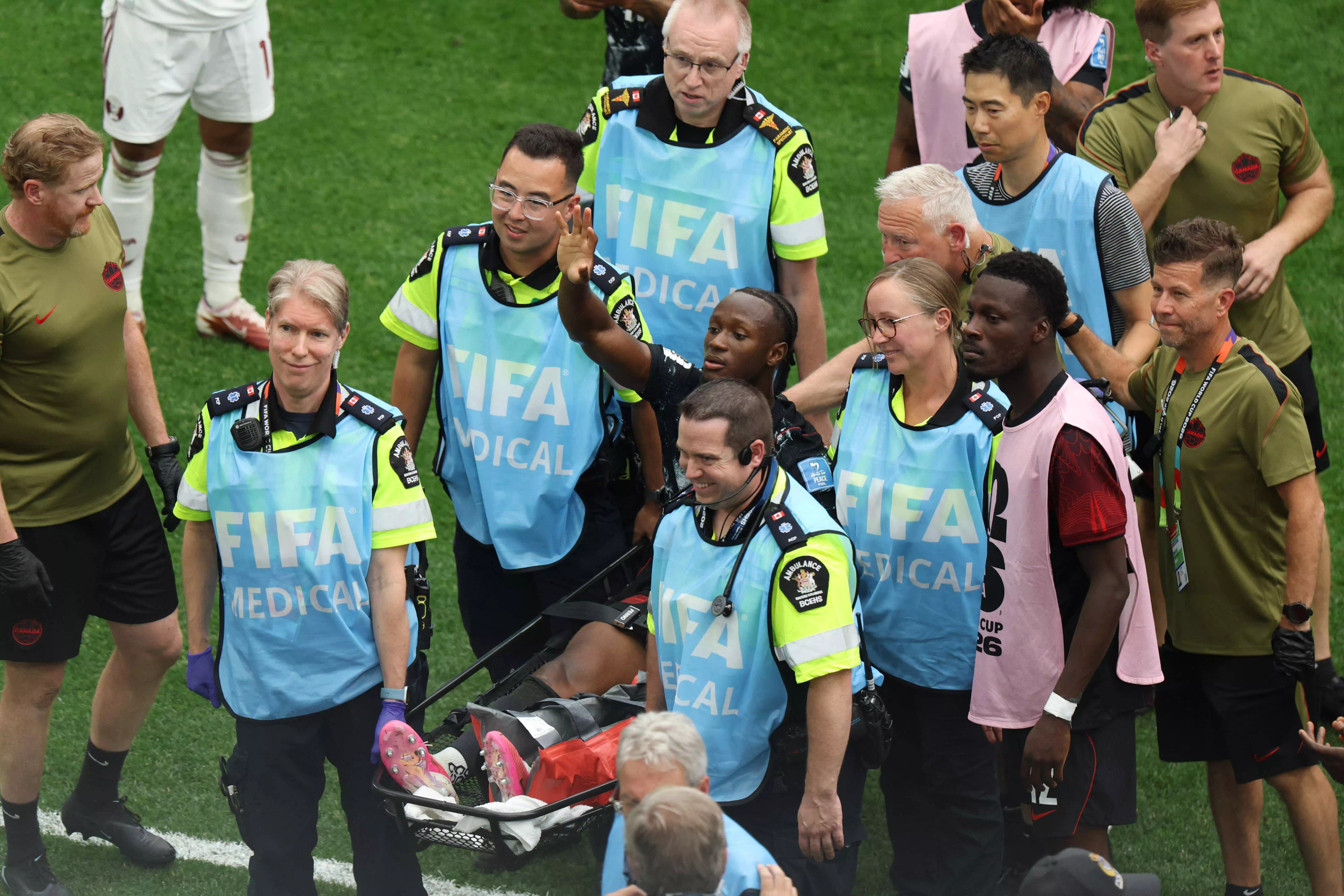
The 2026 FIFA World Cup has already showcased the immense impact of high-level sports psychology, demonstrating that physical prowess is only part of the competitive equation. As teams from across the globe compete in venues throughout Mexico, Canada, and the U.S., elite athletes are increasingly leveraging cognitive strategies to gain a decisive advantage on the pitch.
The unpredictability of the current tournament, highlighted by unexpected results such as Cabo Verde holding Spain to a draw, underscores that traditional talent gaps are being closed by superior mental approaches. Modern football now demands that players not only possess physical skill but also maintain exceptional mental focus and tactical awareness throughout the entire match.
Psychological Principles for Peak Performance
To succeed at the highest level of international competition, players and coaching staffs are utilizing core psychological frameworks. One essential pillar is disruption, where teams actively attempt to dismantle an opponent's rhythm through high-pressure tactics, tactical fouls, or deceptive set pieces. By creating organized chaos, a team can effectively demoralize an opponent, often neutralizing a disadvantage in pure skill.
Another crucial element is attentional fitness, a quality exemplified by world-class strikers like Kylian Mbappé, Harry Kane, and Erling Haaland. These players demonstrate the ability to maintain cognitive efficiency under extreme pressure. Rather than succumbing to the intensity of the game, they possess the mental agility to shift focus seamlessly, allowing them to capitalize on scoring opportunities when the stakes are at their highest.
Furthermore, the concept of controlled mind-wandering has emerged as a significant advantage. While traditional training emphasizes constant focus, research suggests that elite players—such as Lionel Messi—strategically allow their attention to broaden. By momentarily looking away from the immediate action, these players can absorb a wider perspective of the pitch. This cognitive flexibility allows them to process information differently, enabling them to anticipate moves and execute creative solutions that are often invisible to their opponents.
The Evolving Role of Game Management
The mental burden is not limited to the players; it extends to referees who must operate with extreme psychological resilience. Tasked with managing emotions during high-pressure scenarios, such as awarding penalty kicks, officials are under constant global scrutiny. Similarly, tactical creativity has become a vital driver for modern teams. Players like Luka Modrić and Kevin De Bruyne excel by utilizing divergent thinking to solve complex on-field challenges. As the tournament progresses, the ability to balance disciplined tactical systems with the creative freedom to experiment will likely determine which nation ultimately lifts the trophy.