How the Jedag-Jedug Subculture is Reshaping Indonesia’s Electronic Music Scene
The Indonesian jedag-jedug subculture is revolutionizing electronic music by utilizing affordable arranger keyboards and custom sound rigs for village celebrations. This grassroots movement transforms global technology into a powerful, communal experience that goes beyond traditional club-based electronic music production.

Highlights
- •The jedag-jedug subculture transforms affordable arranger keyboards into powerful tools for live electronic dance music performance.
- •The movement evolved from the traditional organ tunggal circuit, adapting portable, low-cost gear for high-intensity village party atmospheres.
- •Repetitive, bass-heavy beats serve as a catalyst for collective experience, mirroring the social functions of traditional Indonesian music rituals.
- •Global technology is reinterpreted through local lenses, creating an authentic form of musical modernity that thrives outside conventional mega-club circuits.
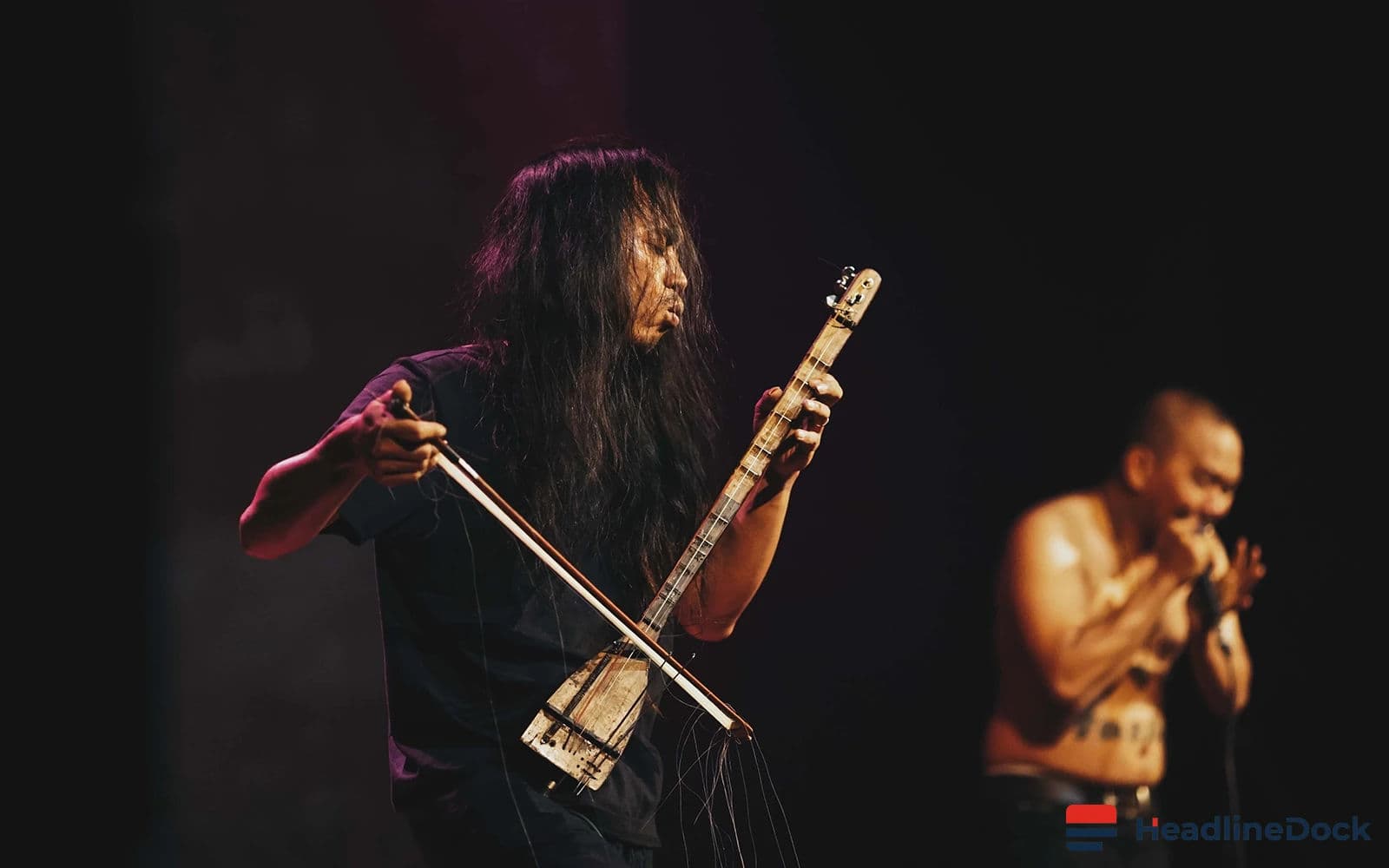
In village settings across Indonesia, a dynamic musical movement known as jedag-jedug is redefining electronic dance music. Unlike traditional high-budget club productions, this subculture thrives on the creative use of portable arranger keyboards and custom-built sound systems to generate powerful, rhythmic bass-heavy tracks that energize community celebrations.
Innovation Through Grassroots Creativity
Electronic music history often highlights the role of unconventional gear. Similar to how early producers in Chicago and Detroit utilized dismissed synthesizers to build the foundations of house and techno, Indonesian performers are transforming the arranger keyboard into a centerpiece for live expression. This choice is born from practical necessity, as the instrument is affordable, repairable, and highly portable, making it the perfect tool for local festivities.
The jedag-jedug movement is deeply rooted in the long-standing tradition of organ tunggal, or the one-man band, which serves as a mobile orchestra for weddings and community gatherings. While traditional acts often feature folk-pop styles like dangdut, jedag-jedug pushes the intensity further with faster tempos and thickened bass pressure. This creates an immersive experience that relies on the physical force of sound rather than complex harmonic structures.
Building Community Through Rhythmic Spaces
Critics occasionally label repetitive electronic beats as simplistic, but music scholars argue that repetition is a powerful mechanism for collective experience. By losing themselves in cyclical grooves, listeners can anticipate shifts and feel the gradual buildup of energy. This aspect of jedag-jedug aligns it with the broader history of rave culture, where participants find a shared, embodied sense of belonging through hypnotic rhythms and intense sound pressure.
Furthermore, sound in Indonesian culture often functions as more than just entertainment. As seen in the Gandang Ahung gong ensemble of the Dayak people, music acts as a vital communal anchor that binds social groups together. Jedag-jedug continues this tradition by creating social spaces at street carnivals and local events where the act of gathering becomes a meaningful experience in its own right.
Ultimately, this subculture demonstrates that global technologies like Yamaha keyboards or massive sound horeg rigs are reinterpreted to suit specific cultural contexts. By blending hyper-local performance with the viral reach of social media platforms like TikTok, jedag-jedug stands as a testament to the ingenuity of grassroots music scenes that exist far beyond Western imitations. It proves that identity and community are forged whenever people come together to create sound.