How Many Heatwaves Can We Expect This Summer? Understanding Local Trends
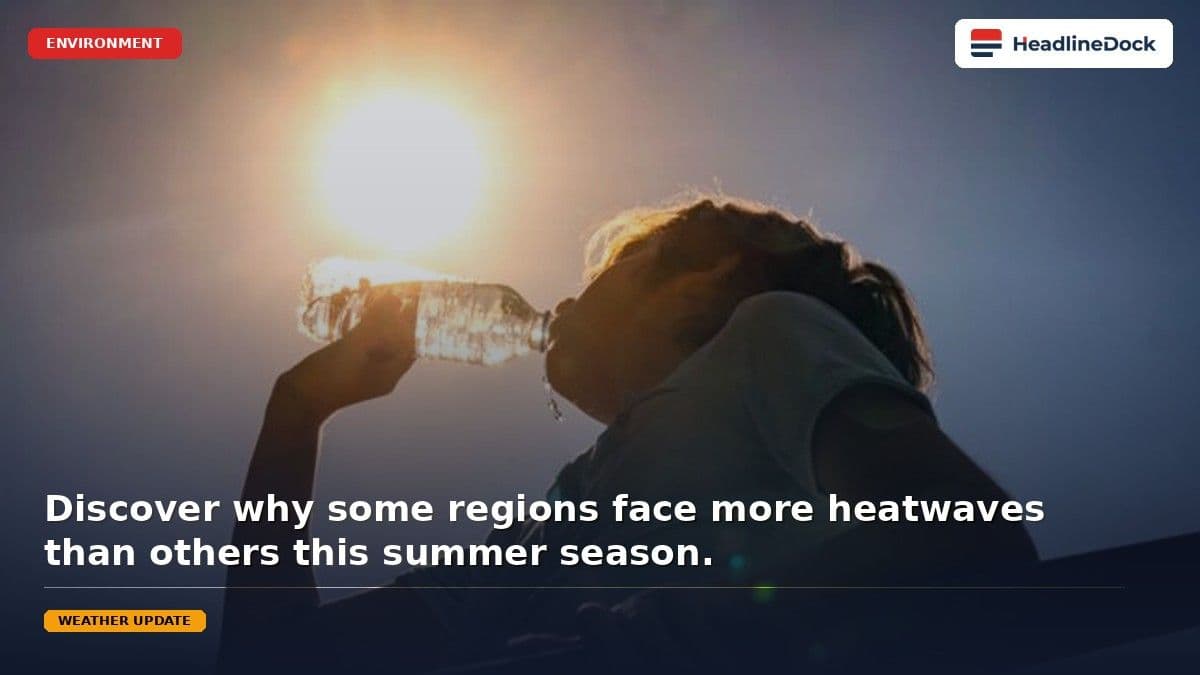
With summer temperatures rising, residents are questioning how many heatwaves can we expect this summer. Experts note that local geography, such as sandy soil and low-lying areas, plays a critical role in creating microclimates that experience more frequent and intense heat compared to higher-altitude regions.
Read it in Short
QUICK OVERVIEW
Low-lying areas and sandy soils frequently record more heatwaves due to intense local heat accumulation.

Geographic factors like altitude significantly impact how extreme temperatures are measured at different weather stations.

Historical data indicates a consistent trend of more frequent heatwave events in warmer, lower-altitude environments.

Public safety depends on following local weather advisories as tracking exact heatwave numbers remains challenging.
As summer temperatures continue to climb, many residents are asking: How many heatwaves can we expect this summer and why are some areas hotter than others? Understanding local weather patterns is essential for staying prepared as extreme heat events become more frequent across various regions.
Understanding Regional Temperature Variations
Weather data reveals that geography plays a significant role in temperature extremes. Low-lying areas and regions characterized by dry, sandy soil often experience higher temperatures compared to higher-altitude locations, such as airport plateaus. These specific conditions create microclimates where heat accumulates more intensely, leading to a higher frequency of registered heatwaves.
Historical records from meteorological stations, such as the one formerly located in Arcen, demonstrate this clear disparity. Over several decades, this specific site recorded significantly more heatwaves than stations situated on elevated plateaus. This difference highlights that even within a relatively small geographic area, the local landscape—ranging from dense urban environments to open sandy terrain—can dictate how severely heat affects the local community.
Are Heatwaves Increasing in Frequency?
Meteorological experts note that tracking heatwaves is a complex task. Because historical data collection methods have evolved and some measurement sites have been relocated or closed, making direct comparisons to the distant past can be difficult. However, current trends clearly indicate that in warming climates, the intensity and recurrence of extreme heat events remain a major concern for public safety and disaster preparedness.
For those closely monitoring the weather, staying updated through official meteorological services is the best way to handle changing conditions. While it is impossible to predict an exact number of upcoming heatwaves, residents should remain vigilant, stay hydrated, and follow local advisories to mitigate the risks associated with prolonged high temperatures.
Frequently Asked Questions
How can I identify if a heatwave is starting in my area?
Heatwaves are typically identified by consecutive days of unusually high temperatures that significantly exceed the historical average for that specific location and time of year.
Why do low-lying areas feel hotter than elevated regions?
Low-lying areas, especially those with urban structures or dry, sandy soil, trap heat more effectively than elevated or open areas like airport plateaus, leading to higher recorded temperatures.
Source Statement
This briefing is distilled from the original source to provide you with clear, structured insights for immediate value.
Read the full source story: How many heatwaves can we expect this summer?
Read the full source story: How many heatwaves can we expect this summer?