How Hispanic Female Authors Are Rewriting the Myth of Eve Today
Contemporary Hispanic authors are challenging the traditional biblical narrative of Adam and Eve. By reimagining the myth, these writers transform Eve from a figure of sin into an empowered, intelligent symbol of humanity, progress, and the beginning of free will in human history.
Highlights
- •Contemporary Hispanic writers are actively subverting the traditional myth of Eve.
- •Literary works characterize Eve as intelligent and empowered rather than a sinful figure.
- •Authors like Rosario Castellanos and Carmen Boullosa use satire and revisionism to reclaim the narrative.
- •The act of eating the forbidden fruit is re-framed as the beginning of human history and consciousness.
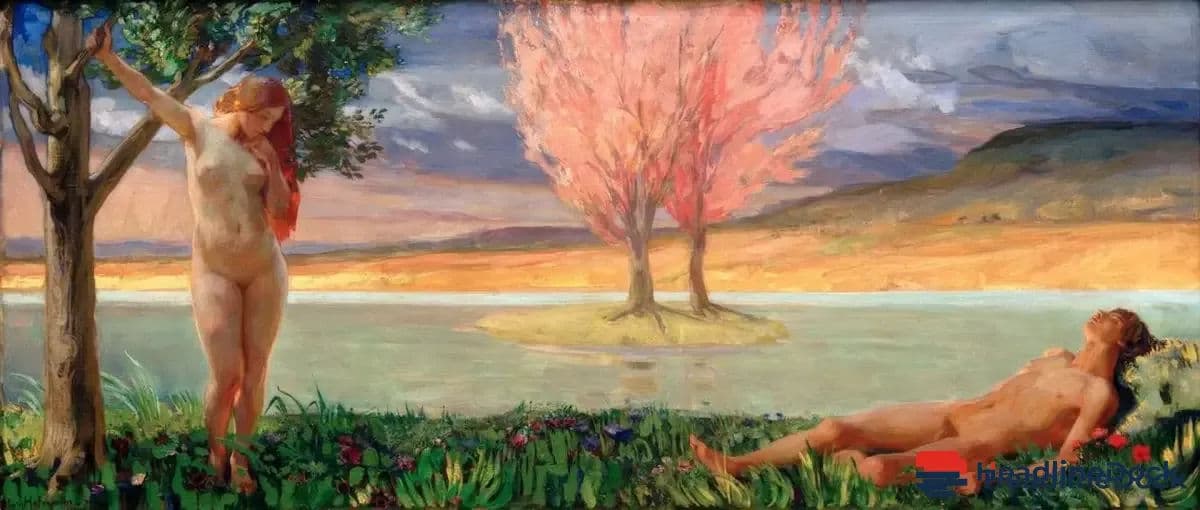
For centuries, the biblical narrative of Adam and Eve has served as a cornerstone of Western cultural mythology, profoundly influencing societal perceptions of women. Traditionally, this story has linked femininity to concepts of sin, temptation, and inherent guilt. However, a significant wave of contemporary female authors across Hispanic literature has begun to challenge this historical interpretation. These writers are actively engaging in the rewriting of the Eve myth, aiming to restore dignity to her character and dismantle centuries of patriarchal bias.
Through diverse genres and generations, these authors inhabit the persona of Eve to re-examine her role. By subverting the conventional narrative, they aim to expose the limitations of inherited feminine archetypes and offer a more complex, empowered portrayal of womanhood. This literary movement suggests that the traditional account has long overlooked the agency of the first woman.
Subverting the Traditional Genesis Narrative
The reinterpretation of this ancient tale often involves a stark contrast between a rigid, obedient Adam and a curious, intelligent Eve. In the 1948 theatrical work El mundo perdido, Mexican author Magdalena Mondragón presents an Eve who values life and experience over divine prohibition. Similarly, in La mujer desnuda (1950), Uruguayan writer Armonía Somers depicts her protagonist, Rebeca Linke, embarking on a symbolic journey of liberation. For these characters, the rejection of old taboos signifies a step toward true human consciousness.
The trend continues with Rosario Castellanos, who utilized irony in El eterno femenino (1975) to frame Eve's choice as the necessary catalyst for human history and progress. By treating the departure from Paradise as a conquest rather than a tragedy, these authors emphasize that the transition to mortality and free will is central to the human experience.
More recently, Gioconda Belli in El infinito en la palma de la mano (2008) and Carmen Boullosa in El libro de Eva (2021) have taken these themes further. Boullosa offers a particularly bold perspective, suggesting that the established biblical account is a construct of male narrative. In her version, the act of eating the fruit was not a fall from grace, but the very moment that transformed the duo into fully realized human beings. By reclaiming her own story, Eve emerges not as a symbol of shame, but as a pioneer of knowledge. These literary interventions underscore a broader cultural shift: the recognition that myths are fluid and can be reconstructed to reflect more equitable and inclusive values.