How High Can a Volcano Throw Lava During an Eruption?
Volcanic eruptions project molten lava and rock into the air due to the rapid expansion of trapped gases. The height of these eruptions varies based on magma viscosity and internal pressure, a subject studied by volcanologists to understand geological dynamics better.
Highlights
- •Volcanic eruptions launch lava, gases, and rocks into the atmosphere through intense gas pressure.
- •The height of ejected material is determined by the viscosity of the magma and eruption type.
- •Gas expansion within magma acts similarly to pressure in a carbonated beverage container.
- •Scientific research helps experts better understand and monitor the behavior of active volcanoes.
When a volcano eruption occurs, it acts as a powerful demonstration of the earth's internal energy, often launching molten lava, volcanic gases, and rock fragments high into the atmosphere. Many people, including curious young minds, often wonder just how high these materials can be propelled during such intense geological events. Understanding the dynamics behind a volcanic explosion provides critical insights into how these natural phenomena function and the forces that drive them.
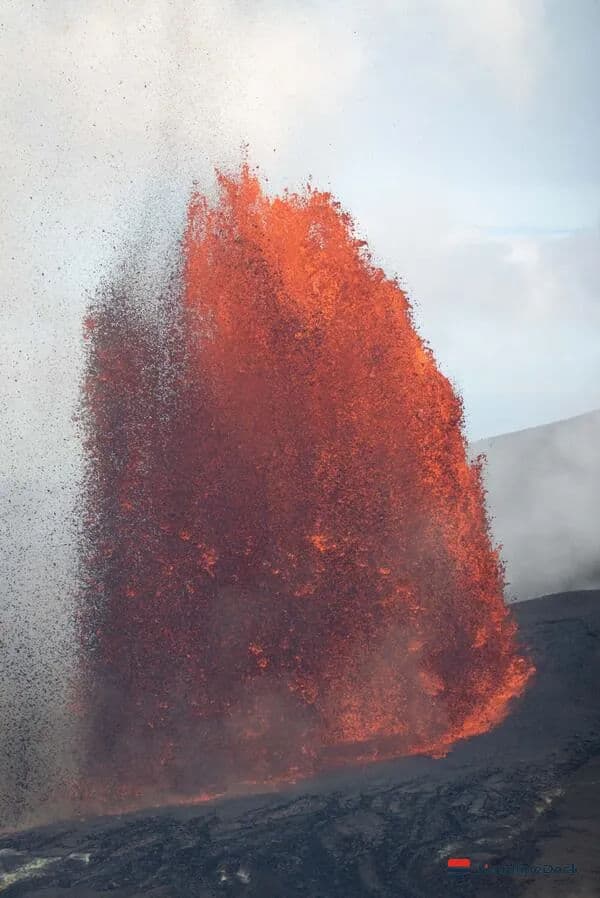
A volcanologist, such as Martin Mangler from the University of Southampton, notes that the height to which lava is thrown depends heavily on the type of eruption and the viscosity of the magma involved. During explosive activity, the rapid expansion of volcanic gases trapped within the magma acts like the pressure inside a shaken soda bottle. When the pressure is released through a vent or crater, it can forcefully eject material to staggering heights, sometimes reaching thousands of meters into the sky.
The Mechanics of Volcanic Explosions
The process of a volcanic explosion involves complex interactions between gas pressure and molten rock. Magma contains dissolved gases that expand as it rises toward the surface. If the magma is sticky or viscous, these gases cannot escape easily, leading to a massive buildup of pressure. Eventually, this pressure exceeds the strength of the surrounding rock, resulting in a sudden and violent fragmentation of the magma. This fragmentation is what ultimately propels lava, ash, and pyroclastic material into the air.
Research led by experts like Martin Mangler helps scientists classify these eruptions and predict their behavior. By studying various volcanic systems, experts can determine the limits of these geological powerhouses. While lava flows are often associated with gentler volcanic activity, the explosive phases are responsible for sending debris to significant altitudes. This study of volcano eruption dynamics is essential for improving safety protocols for communities residing near active volcanic regions across the globe.
Beyond the raw physics of height and power, these events serve as a reminder of our planet's dynamic and ever-changing nature. Whether observing a minor vent release or a major ash-producing event, the science behind these eruptions continues to fascinate researchers and the public alike. By examining the mechanisms that push molten rock upward, we gain a clearer picture of the thermal processes happening deep beneath our feet at institutions like the University of Southampton.