How Collaborative Peer-Led Reading Programs Boost Student Attainment and Literacy Skills
Innovative peer-led reading programs are significantly boosting reading attainment in primary schools. By working in pairs to coach each other through reading activities, students gain fluency and comprehension skills while fostering a more positive, enjoyable classroom culture for literacy.
Highlights
- •Peer-based reading programs boost attainment by an average of two months progress.
- •Collaborative techniques include paragraph summarizing, retelling, and prediction exercises.
- •Success relies on adapting programs to fit local cultural and educational standards.
- •Peer support fosters a more positive classroom culture around reading for enjoyment.
Innovative reading attainment strategies are helping primary school pupils achieve better academic results through collaborative learning. By pairing children with classmates to practice reading aloud, educational programs are fostering a more supportive environment where students act as coaches for one another. This team-based approach, often referred to as Peer Assisted Learning Strategies, empowers students to improve their fluency and comprehension in a structured, engaging manner.
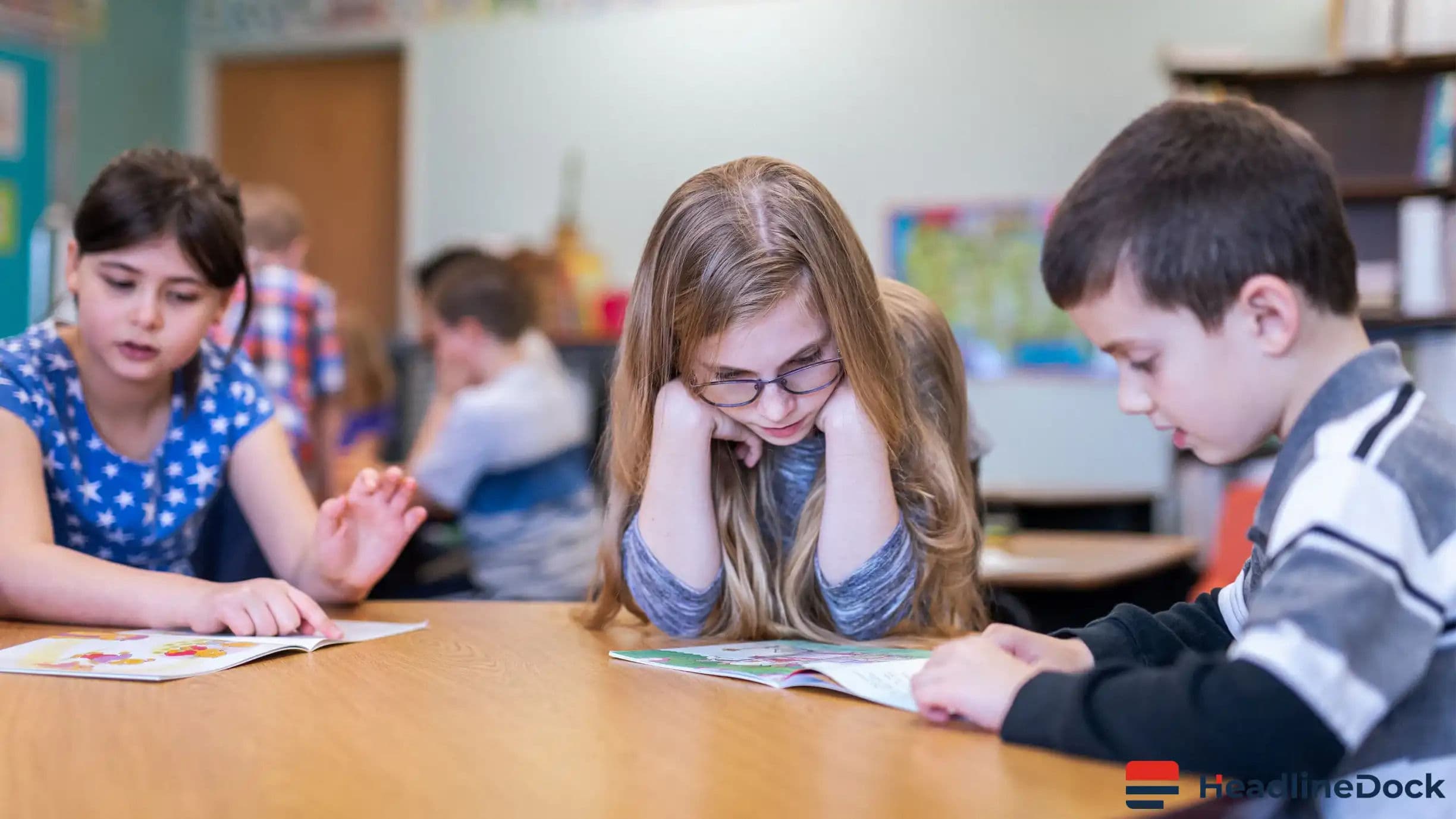
In a typical classroom setting utilizing these methods, children work in pairs to select books that interest them, ensuring they feel a sense of autonomy over their learning material. The process involves specific, teacher-monitored activities designed to build essential literacy skills. These include partner reading, story retelling, summarizing paragraphs, and predicting upcoming plot points. Such reading attainment techniques ensure that students remain actively involved in the narrative while receiving real-time encouragement from their peers.
Improving Literacy Through Peer Collaboration
Recent research conducted across more than 100 primary schools in England highlights the tangible benefits of these collaborative efforts. Evaluations led by Manchester Metropolitan University have indicated that students participating in such programs gained, on average, two months of additional progress in reading compared to their peers in non-participating institutions. This evidence-based approach is highly valued for its ability to combine clear instructions with consistent practice in both fluency and strategic comprehension.
Teachers involved in these trials have frequently praised the structured nature of the programs and the quality of the resources provided. Beyond measurable improvements in reading attainment, many educators reported a noticeable enhancement in the culture of reading for enjoyment. Students began engaging in informal discussions about their books, often turning challenging tasks—such as summarizing complex paragraphs—into fun, collaborative competitions.
However, the implementation of such strategies requires careful consideration of local cultural and educational contexts. When adapting these models, researchers have found it essential to move away from overly competitive, points-based systems in favor of methods that align more closely with domestic classroom norms, such as verbal praise and encouragement. This flexibility allows for the effective use of diverse texts and encourages students to develop a genuine, personal interest in literature.
As schools look to further integrate these techniques, the focus remains on scaling successful trials to reach more students. By fostering an environment where reading is a shared, supportive experience, educators are successfully helping pupils build the confidence and skills necessary for long-term academic success. Further trials are already being planned to refine these methods and ensure they continue to provide meaningful support within the modern classroom landscape.