How African Economies Are Confronting the Weaponization of Global Trade
As global trade is increasingly used as a geopolitical tool, African nations are seeking to balance economic integration with security. Through the AfCFTA and value-added mineral processing, the continent aims to build resilience against external shocks and reduce reliance on volatile global dependencies.
Highlights
- •Global trade is increasingly being weaponized through economic bottlenecks and geopolitical coercion.
- •African nations face a trilemma of balancing global integration, economic security, and industrial diversification.
- •The AfCFTA provides a framework for collective bargaining and reduced reliance on external supply chains.
- •Value-added processing of critical minerals like cobalt and lithium is key to economic indispensability.
Global commerce is increasingly being utilized as a strategic tool for geopolitical influence, creating significant challenges for African economies. As stated by Christine Lagarde, president of the European Central Bank, in February 2026, trade has become inextricably linked with national security. This shift toward the weaponization of interdependence poses a complex trilemma for the continent's 54 nations as they navigate a volatile global landscape.
Navigating Economic Interdependence and Security
African countries face a difficult balancing act: maintaining enough integration to foster development, establishing safeguards against the deliberate exploitation of external dependencies, and diversifying away from a heavy reliance on raw materials. Currently, over 60% of total merchandise exports in 45 African nations are linked to commodities. While historical growth relied on global integration, the contemporary era is defined by the strategic use of economic bottlenecks for coercion.
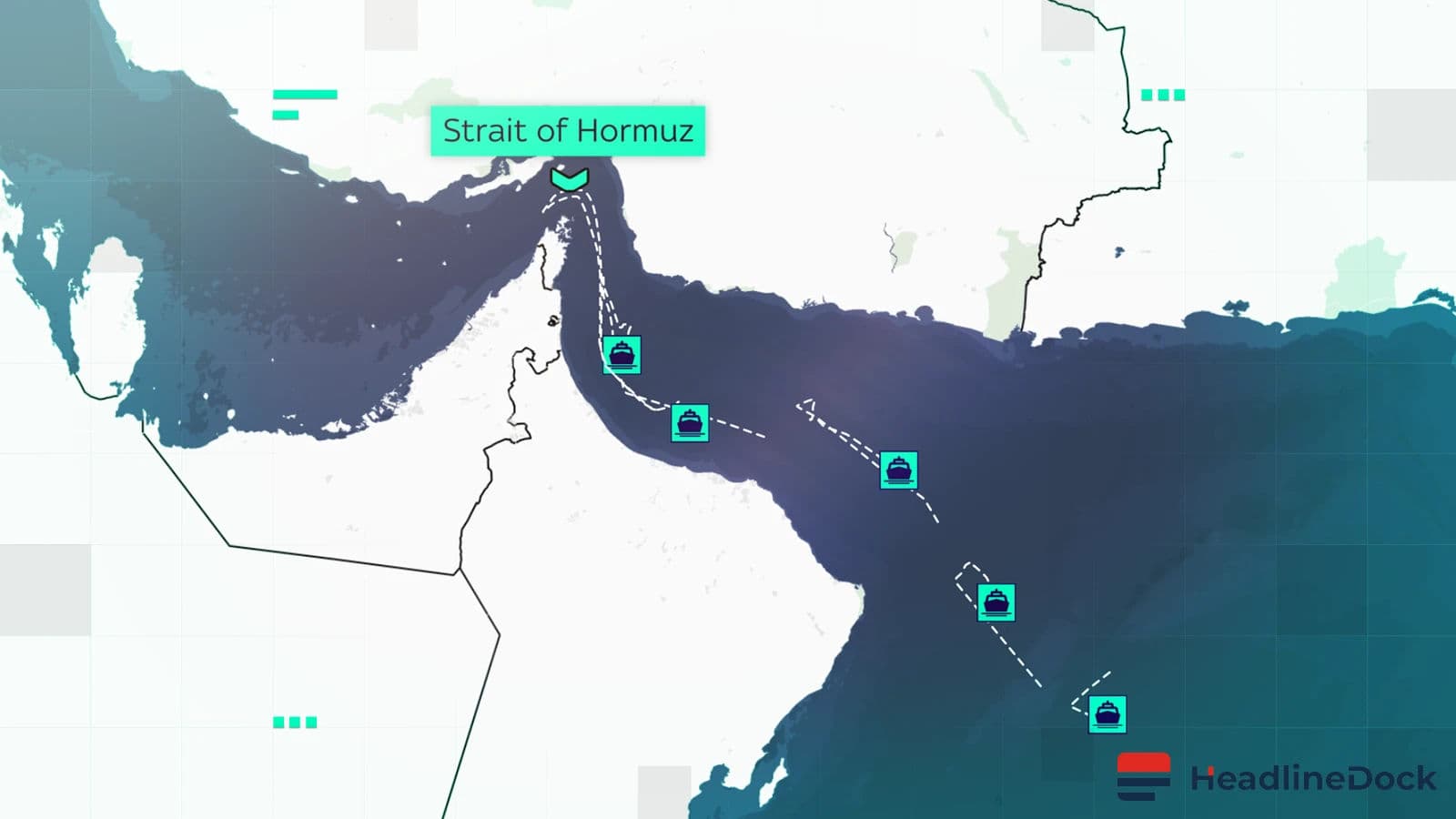
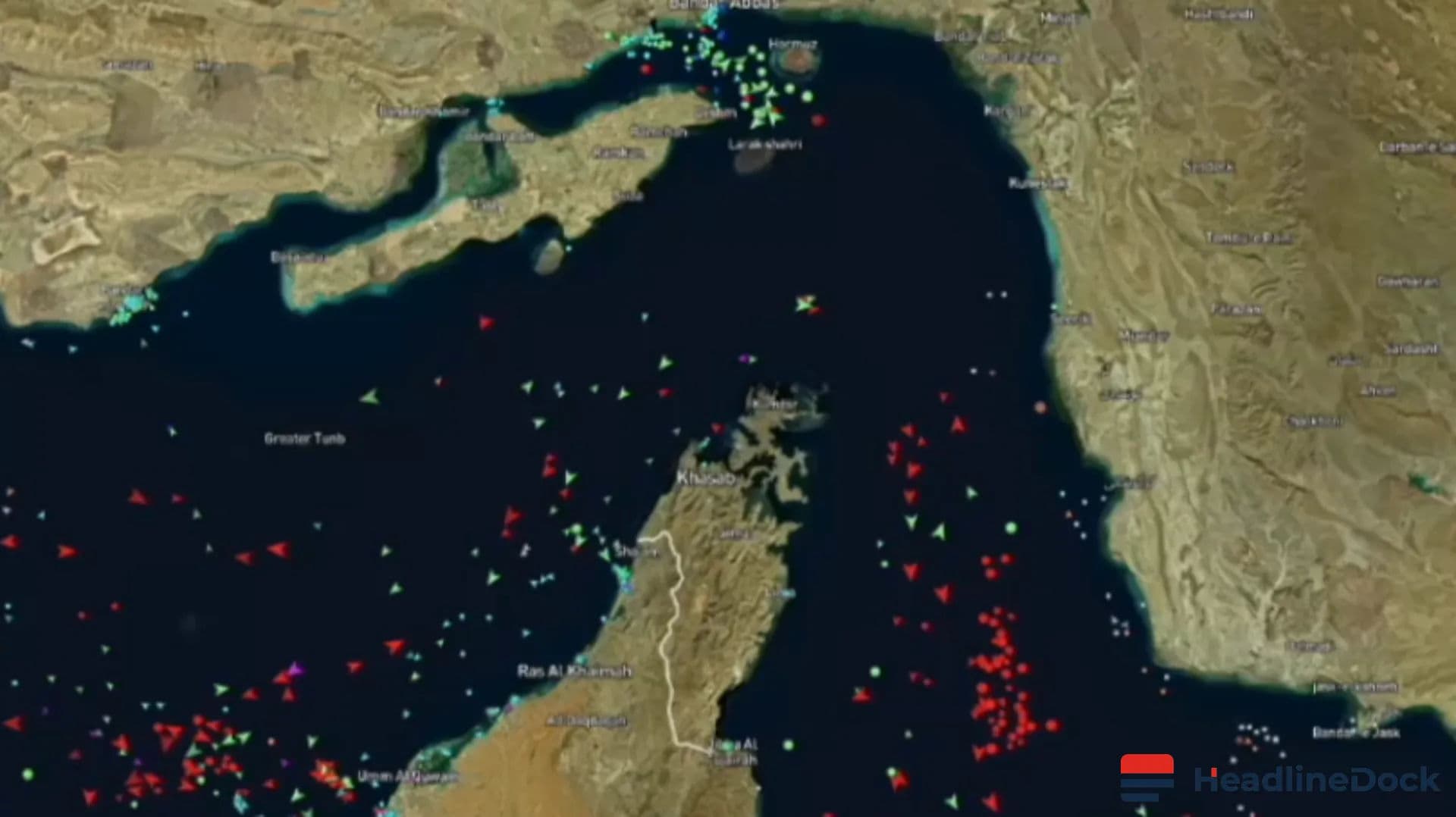
Recent events illustrate these risks vividly. When Iran disrupted traffic in the Strait of Hormuz in early 2026, nations like Ethiopia, Kenya, Mozambique, South Africa, Tanzania, and Uganda—which rely on the Middle East for more than half of their oil imports—suffered immediate energy price spikes. Furthermore, major powers like China and the United States have increasingly used trade controls and financial systems as leverage, leaving emerging economies vulnerable to shocks beyond their control.
Strategic Pathways to Economic Resilience
The solution for African economies is not to retreat from the global market, which would invite stagnation, but to foster resilience through strategic cooperation. The African Continental Free Trade Area (AfCFTA) serves as a vital instrument to build a market of 1.4 billion people, granting the continent greater collective bargaining power when dealing with external global powers. By developing intra-African supply chains, nations can reduce their reliance on volatile international networks.
Moreover, countries must prioritize the diversification of their trading partners to mitigate the risk of being pressured by any single nation. A key component of this strategy involves moving up the value chain to become indispensable within global supply chains for critical minerals. With the Democratic Republic of Congo producing roughly 65% of the world's cobalt, and other nations holding significant reserves of bauxite, lithium, and copper, the potential for value-added local processing is substantial. By transforming these resources domestically, Africa can strengthen its economic security while fostering long-term sustainable growth. Balancing these competing pressures of integration, security, and diversification remains the defining economic policy challenge for the continent in the years ahead.