Heat Waves Can Turn Homes Into Dangerous Ovens for Healthy Adults
Extreme heat waves turn homes into dangerous environments, particularly during power outages. Research suggests that indoor heat poses a severe risk to all, including healthy adults. Practical steps like insulation upgrades and utilizing lower floors are essential to surviving rising summer temperatures.
Highlights
- •Indoor temperatures during heat waves can exceed outdoor conditions, creating significant lethal risks.
- •Research shows that a high percentage of heat-related deaths occur inside private homes.
- •Building insulation, age, and window types play a major role in how quickly homes overheat.
- •Effective strategies include relocating to lower floors, closing window coverings, and improving home insulation.
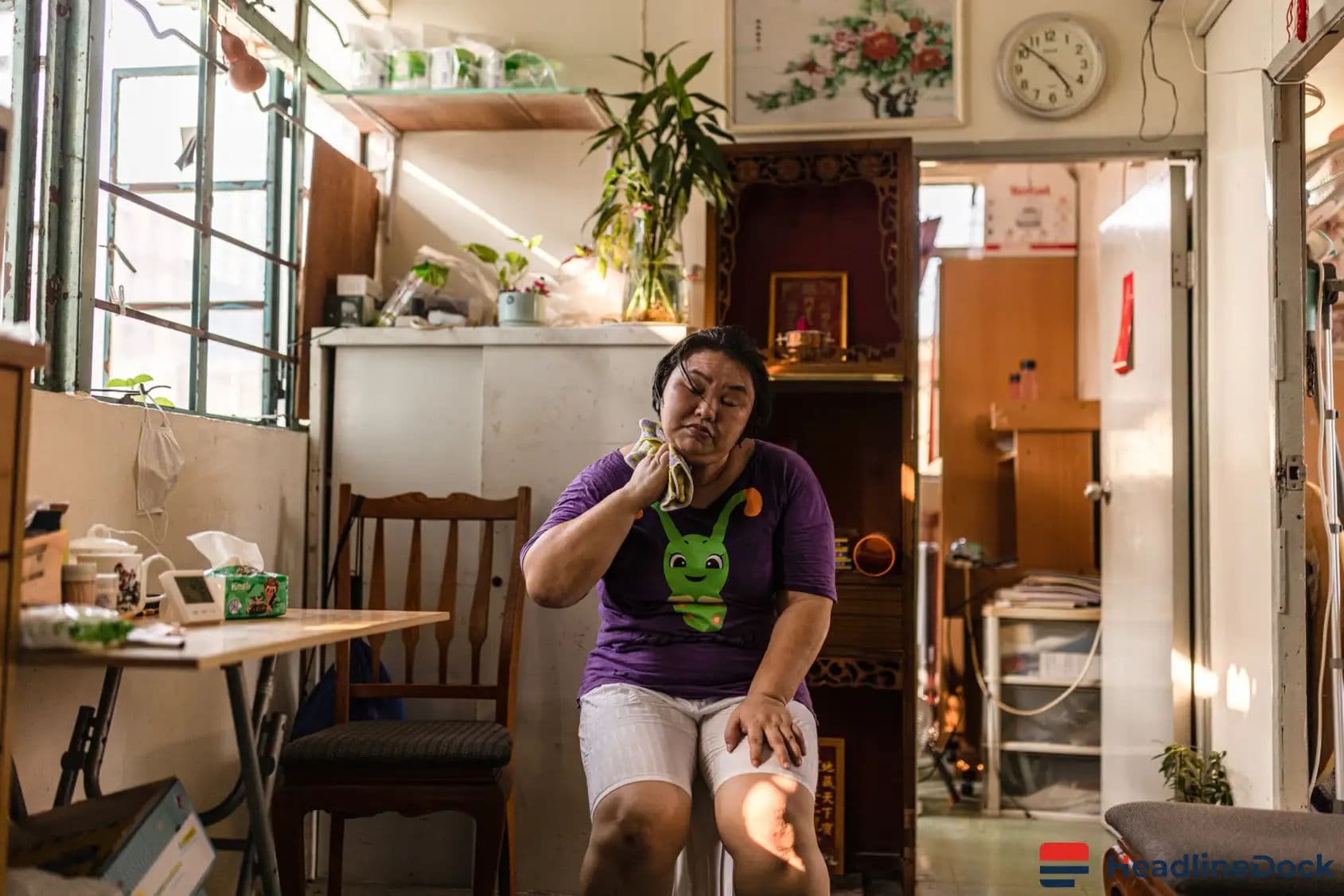
During intense heat waves, the interior of a residence can become significantly more dangerous than the environment outside. Many individuals fail to recognize that homes can trap heat, transforming living spaces into greenhouse-like environments where temperatures climb steadily throughout the day and remain elevated overnight. This phenomenon poses a severe health risk to everyone, including young, healthy adults who may underestimate the danger of indoor thermal stress.
Why Indoor Heat Poses Lethal Risks
When external power grids fail and air conditioning systems cease to function, residential buildings struggle to shed heat. Walls, windows, and ceilings absorb thermal energy, radiating it back into the living area. Because the human body relies on sweating and skin-directed blood flow to cool down, high indoor temperatures paired with poor ventilation can cause the body's internal core temperature to rise to critical, potentially fatal levels. Research indicates that the vast majority of heat-related fatalities occur inside dwellings, as occupants are deprived of the necessary cooling recovery period typically available outdoors after sunset.
A study conducted in Austin examined the thermal vulnerability of over 213,000 single-family homes. The findings revealed that approximately 15% of these structures already possess the potential to reach hazardous heat levels without mechanical cooling under current climate conditions. Furthermore, experts warn that as summer temperatures rise and extreme weather events increase, this risk is projected to escalate, affecting up to 65% of homes in similar scenarios. Older houses, characterized by poor insulation and single-pane windows, are particularly susceptible to rapid temperature spikes, whereas newer, well-insulated homes may offer a temporary buffer against the heat.
Staying Safe During Power Disruptions
To mitigate the risks associated with extreme indoor temperatures, experts recommend several immediate actions. Occupants should relocate to the lowest level of their home, as heat naturally rises, and ensure that curtains or blinds are drawn on windows facing direct sunlight. Maintaining proper hydration is vital, as the body requires sufficient water to regulate its internal temperature effectively. During prolonged blackouts or extreme events, it is essential to monitor the well-being of vulnerable neighbors, particularly the elderly, and seek out public cooling centers if home temperatures become unmanageable.
Long-term resilience depends on structural improvements. Retrofitting properties with reflective window films, enhanced attic insulation, and lighter-colored roofing materials can significantly decrease heat absorption. Policymakers are also being urged to update building codes to ensure that new residential developments can maintain habitable indoor conditions for at least 72 hours during a power outage. As climate change continues to drive more frequent heat waves and power disruptions, prioritizing these building standards is critical to safeguarding public health.