Harry Kane Penalty Appeal Denied in Controversial World Cup 2026 Match
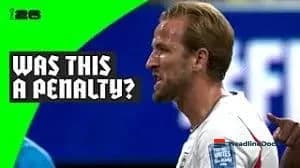
England's Harry Kane was denied a controversial penalty appeal during a 2026 World Cup match against DR Congo. The decision to dismiss the claim, supported by VAR, sparked widespread debate among football pundits and fans regarding the referee's interpretation of the incident.
KEY TAKEAWAYS
1 MIN READ- England striker Harry Kane was denied a penalty appeal against DR Congo during a 2026 World Cup last-32 match.
- Referee Adham Makhadmeh ruled that no foul occurred, a decision supported by the VAR review process.
- Football pundits remain divided on whether goalkeeper Lionel Mpasi committed a foul or if Kane initiated contact.
- Despite the penalty controversy, Harry Kane successfully scored two goals during the second half of the game.
During the intense World Cup 2026 knockout round, England captain Harry Kane found himself at the center of a significant officiating debate. As the Three Lions faced a challenging tie against DR Congo, a pivotal moment occurred late in the first half that left fans and pundits questioning the decision-making process.
After being played through on goal, Harry Kane attempted to maneuver past the rushing DR Congo goalkeeper, Lionel Mpasi. Upon contact, the England striker fell inside the penalty area. Referee Adham Makhadmeh, however, immediately waved away the appeals, signaling that he believed the forward had dived rather than been fouled. Despite the intensity of the claim, the Video Assistant Referee (VAR) system reviewed the footage and upheld the on-field decision, leaving England trailing by a goal at the interval.
Debate Over Harry Kane Penalty Incident
The incident ignited a firestorm of discussion regarding the interpretation of contact in the modern game. Former match officials and professional players expressed conflicting views on the situation. While some experts felt that the goalkeeper’s swift challenge made the contact inevitable, others, including former England stars, suggested that Harry Kane may have initiated the collision himself. This divergence in opinion highlighted the persistent difficulty of achieving consistency in high-stakes matches.
Despite the frustration of the first half, Harry Kane demonstrated his elite striking ability by netting two goals in the second half. His performance underscored his vital importance to the squad, even as the officiating controversy continued to dominate post-match conversations. The spotlight also intensified on Lionel Mpasi, the 31-year-old goalkeeper whose involvement in the play became one of the most talked-about moments of the tournament.
Lionel Mpasi, who honed his skills in the academies of Paris Saint-Germain and Toulouse before finding his footing at Rodez, has been praised for his composure and reflexes throughout the competition. His pivotal role in the match against England has further elevated his profile on the international stage. As the World Cup progresses, the debate surrounding this penalty claim serves as a reminder of how fine margins, and the subjective nature of officiating decisions, can shape the legacy of a tournament.