Government to Launch 34 New Dialysis Centers Across Tribal Regions
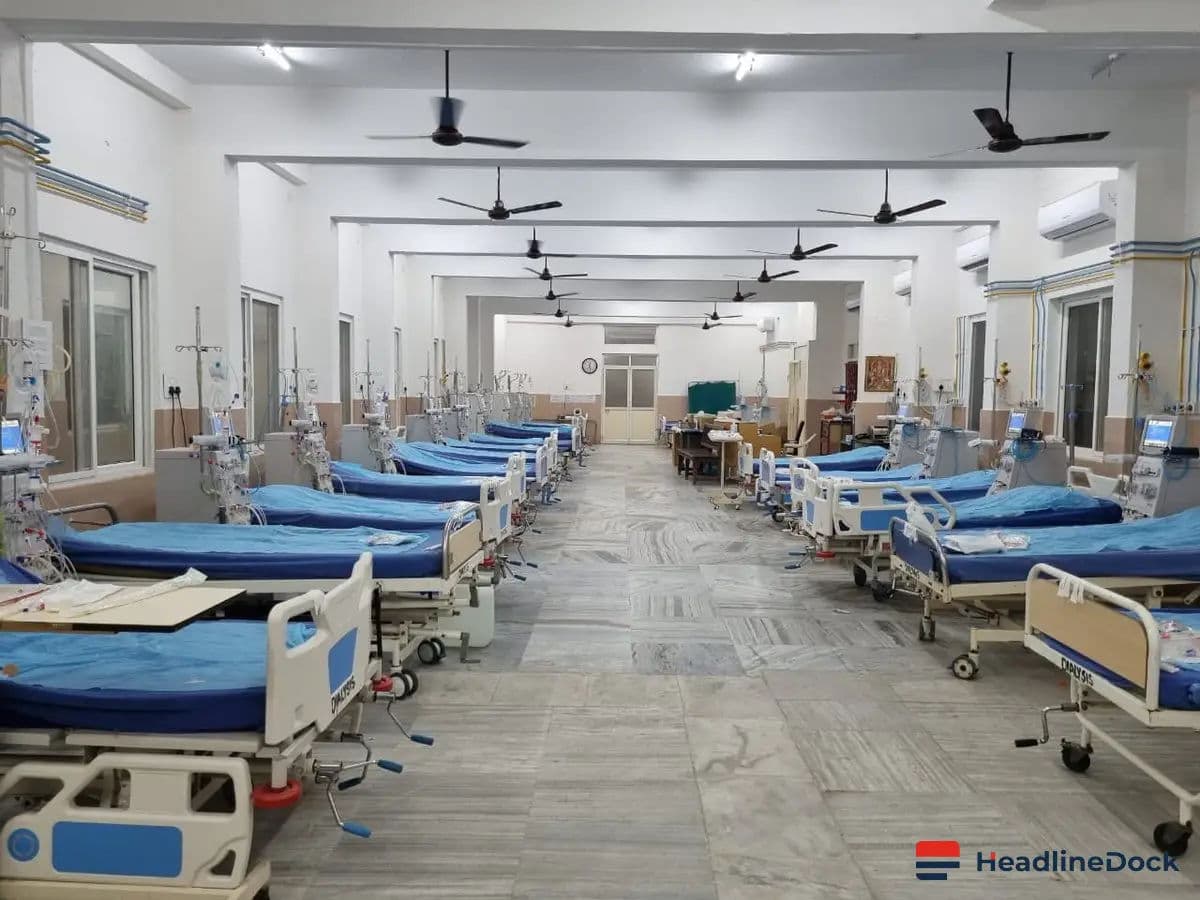
The government is expanding medical infrastructure in tribal regions by adding 34 new dialysis centers and 170 beds. The initiative focuses on enhancing emergency renal care, maternal health, and seasonal disease prevention, ensuring residents in remote areas receive essential medical support.
Highlights
- •34 new dialysis centers with 170 beds planned for tribal agency areas.
- •Existing 25 centers currently support 1,373 active dialysis patients.
- •Health officials instructed to ensure stock of medicines for seasonal diseases.
- •New protocols established for high-risk pregnancies and mobile cancer screenings.
The state government is set to significantly boost medical infrastructure by establishing 34 additional dialysis centers across various tribal regions. This initiative aims to address the growing need for specialized renal care in underserved areas, as revealed during a recent review meeting chaired by the health minister, Damodar Rajanarsimha.
Expanding Access to Specialized Dialysis Centers
Currently, 25 facilities are actively providing life-sustaining treatment to 1,373 patients residing in Agency districts. To alleviate the burden on existing infrastructure, the new proposal includes the installation of 170 new beds dedicated specifically to dialysis services. Furthermore, authorities are planning to add 37 acute kidney injury beds across 12 high-priority hospitals to ensure that emergency renal care is readily available when needed.
During the review, Damodar Rajanarsimha emphasized that geographical challenges, such as dense forests, difficult hilly terrain, and remote locations, must not impede the delivery of healthcare. He highlighted the ongoing efforts regarding digital health profiling in tribal communities to streamline patient tracking and care management. Officials were reminded that providing timely medical assistance remains a top priority regardless of logistical obstacles.
Public Health Measures and Monsoon Preparedness
In anticipation of the upcoming monsoon season, the health department has been placed on high alert to combat the potential rise in seasonal diseases, including malaria, dengue, and diarrhea. The administration has ordered all government hospitals to maintain sufficient inventories of essential medicines, diagnostic kits, and intravenous fluids to ensure uninterrupted service delivery.
The minister also addressed critical concerns regarding maternal health, specifically following a recent incident at the Gundala Primary Healthcare Centre. He directed health officials to improve the identification of high-risk pregnancies and prioritize the transfer of expectant mothers to dedicated birth-waiting homes. This proactive approach is intended to reduce maternal mortality rates in remote regions through better monitoring and timely intervention.
Furthermore, the government is intensifying efforts to manage chronic conditions such as sickle cell disease, Thalassemia, anemia, and tuberculosis. Expanding mobile cancer screening services and reinforcing the cancer notification program are also key parts of this strategy to ensure early diagnosis and comprehensive treatment for tribal populations. These integrated healthcare measures reflect a concerted push to modernize health services in tribal areas and improve health outcomes for citizens living in geographically isolated regions.