Gov Exempts Foreign Investments in G-Secs from Capital Gains Tax
The Indian government has exempted long-term capital gains tax on FII investments in G-secs to attract patient capital and stabilize the rupee amid record outflows from equities.

Highlights
- •India exempts long-term capital gains tax on foreign institutional investments in G-secs
- •Moves to encourage long-term, stable investments during a critical economic period
- •Record depreciation of the Indian rupee by nearly 7 percent against the US dollar
- •Government raises LTCG tax rate on assets from 10 percent to 12.5 percent
New Delhi (HeadlineDock): India's government has recently scrapped the long-term capital gains tax on foreign institutional investor (FII) investments in government securities (G-secs). This move, announced through an ordinance issued over the weekend, aims to attract long-term, patient capital during a period of significant capital outflows from equities.
Exempting Capital Gains: A Strategic Decision
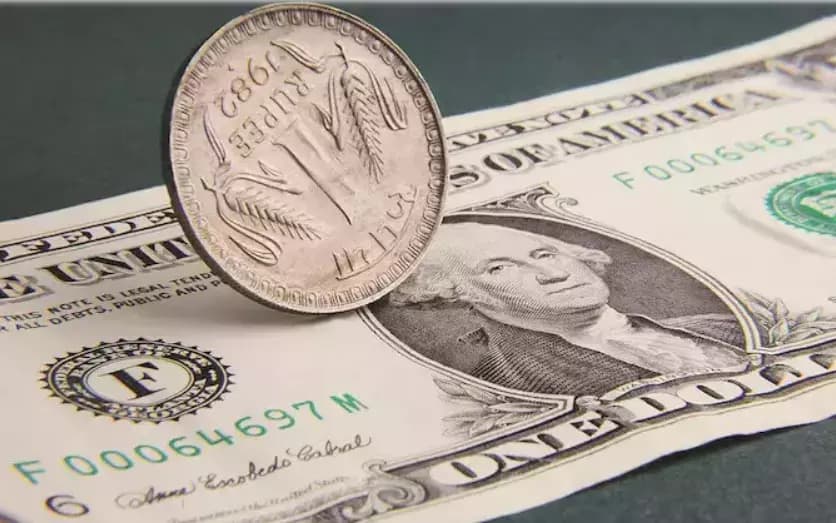
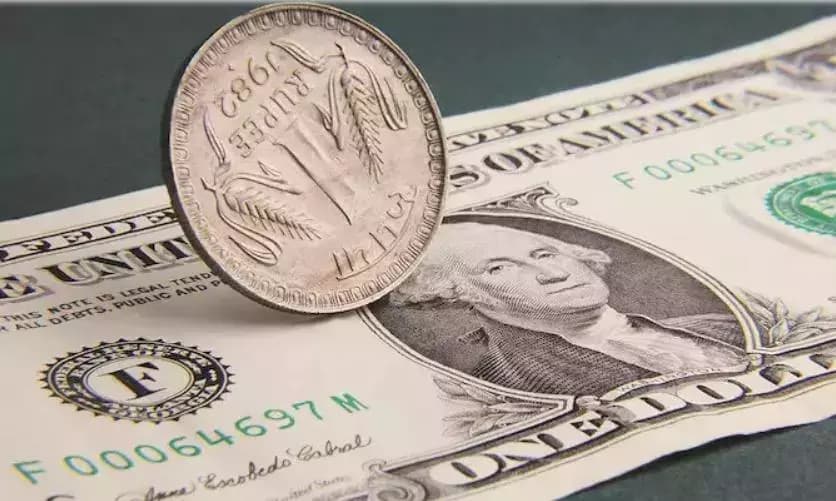
The decision comes amid record-breaking rupee depreciation. Since May 2026, the Indian rupee has depreciated by nearly 7 percent against the US dollar. The government hopes that removing this tax hurdle will encourage long-term investments in G-secs, providing a buffer to stabilize the economy.
According to official data, foreign investors have withdrawn Rs 2.6 lakh crore from Indian equities so far in 2025-2026, significantly more than the previous year's Rs 1.66 lakh crore. This exodus has been exacerbated by geopolitical tensions and a rise in oil prices due to conflicts in West Asia.
In the debt market, however, a different trend is observed. FIIs have invested over Rs 17,000 crore through the Fully Accessible Route (FAR) until mid-June. However, they also withdrew about Rs 4,000 crore under general debt limits and Rs 340 crore via the Voluntary Retention Route (VRR).
The long-term capital gains tax on stocks and bonds was increased to 12.5 percent in the Union Budget of July 2024 after originally being set at 10 percent. This change, coupled with the exemption for G-secs, reflects a more nuanced approach towards international investment strategies.
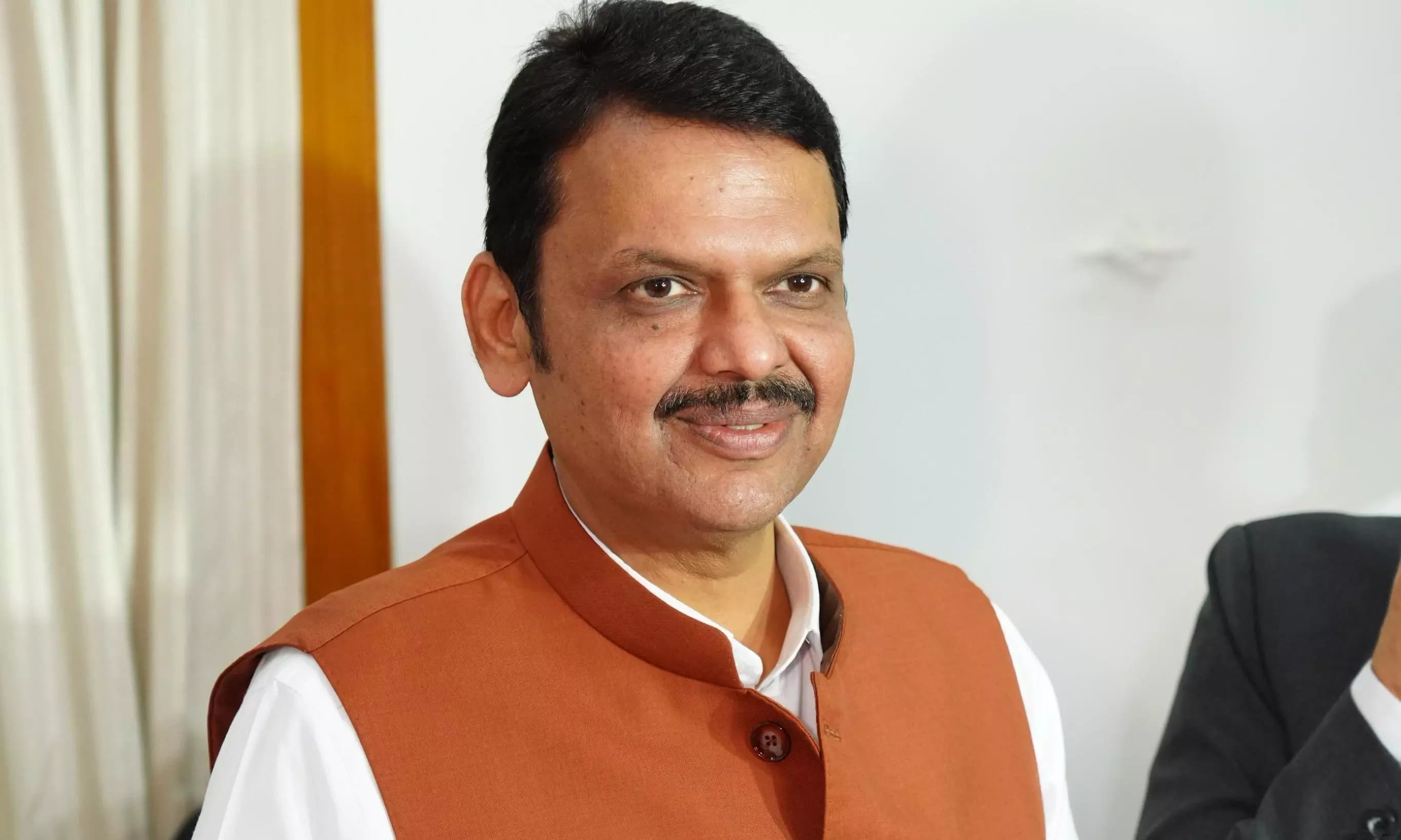
Prime Minister Narendra Modi has encouraged saving foreign exchange as part of broader economic measures aimed at mitigating depreciation pressures. The Reserve Bank of India (RBI) also retains options to intervene through its foreign exchange reserves, which currently stand at USD 681.384 billion.