Global Powers Hail US-Iran Peace Deal While Israel Rejects the Agreement
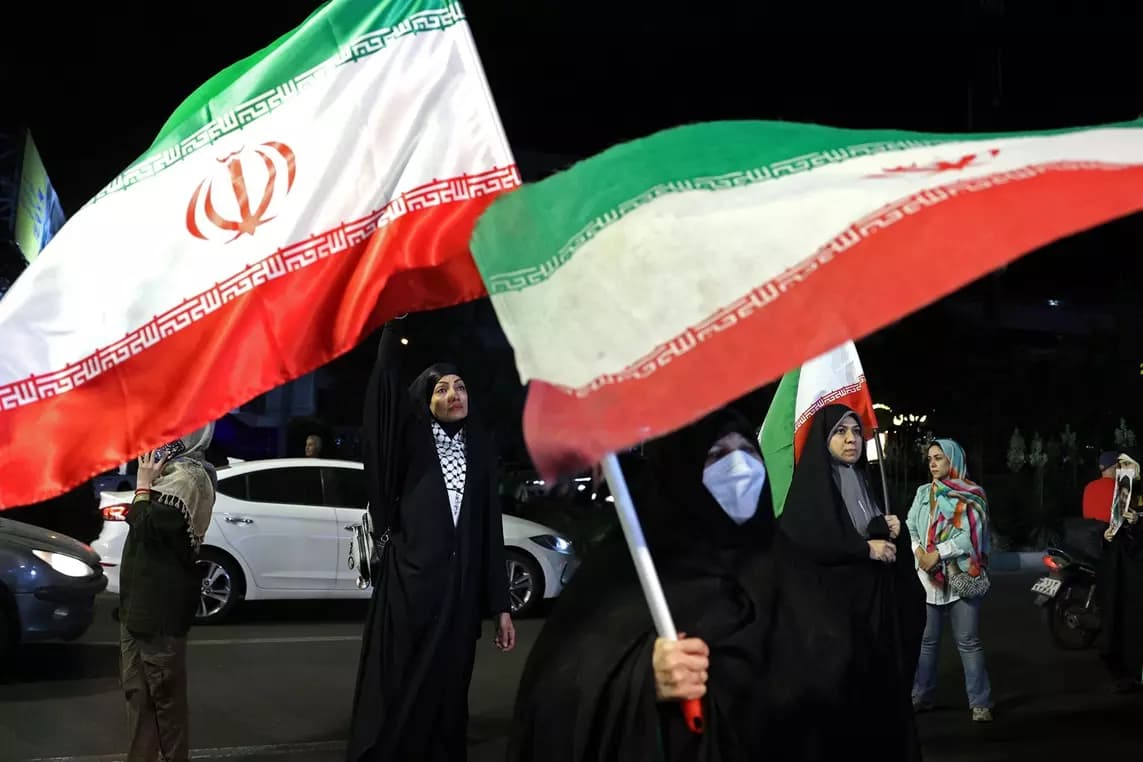
A major peace deal between the United States and Iran has been welcomed by the international community as a path toward stability. However, Israel has dismissed the agreement, declaring it is not bound by the terms and will continue its security operations.
Highlights
- •Global leaders and the UN celebrate the US-Iran peace deal as a vital step for stability.
- •The agreement intends to reopen the Strait of Hormuz to restore international trade and navigation.
- •Israel has formally rejected the peace deal, stating its forces will remain in security zones indefinitely.
- •Israeli leadership emphasized that they are not bound by the agreement and will defend their borders autonomously.
A significant US-Iran peace deal aimed at concluding the 107-day military conflict has been established, drawing widespread support from global powers. This agreement promises to stabilize the region and facilitate the reopening of the crucial Strait of Hormuz, which has been a primary concern for international trade and global economic stability.
Global Reactions and Support for Peace
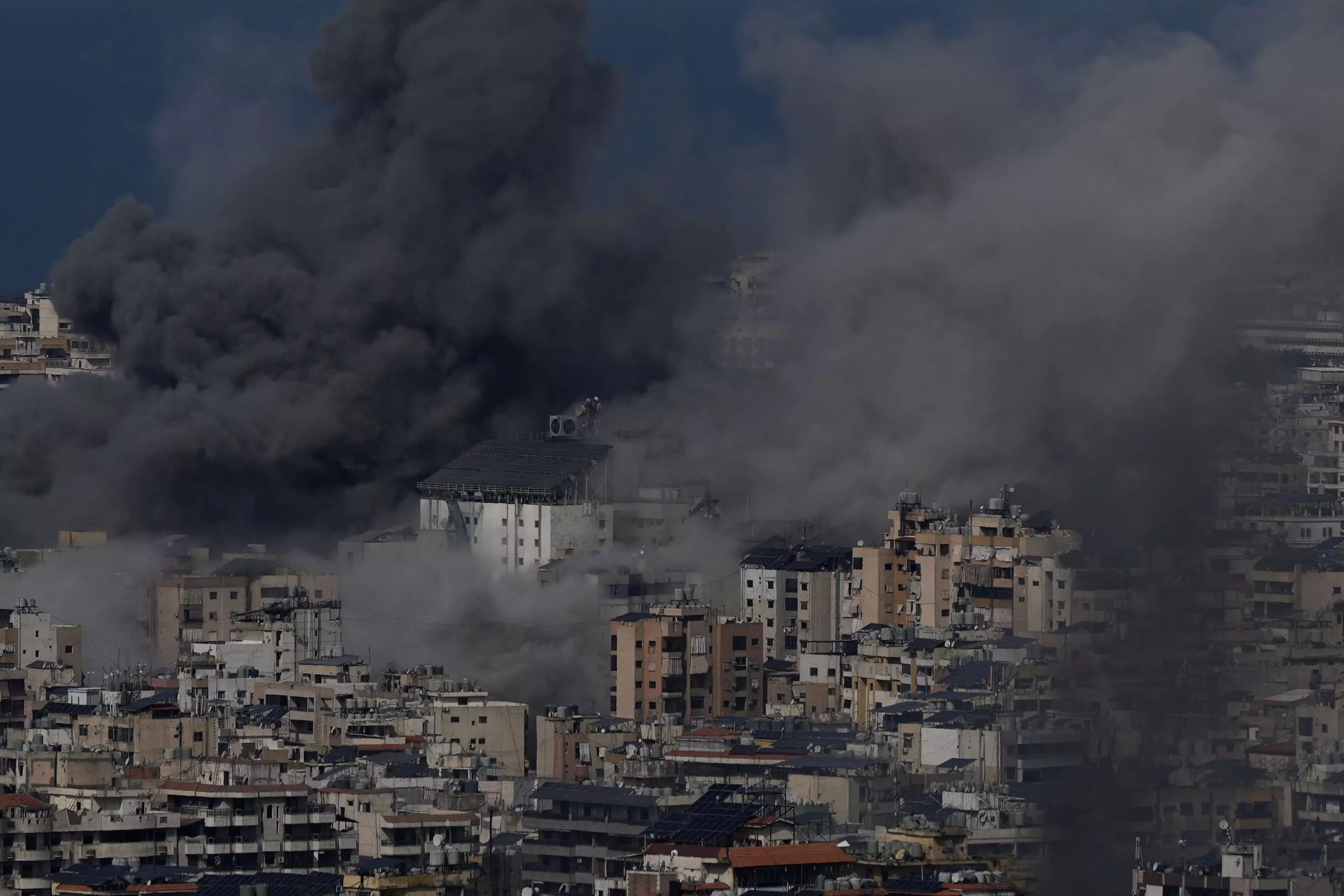
Nations and international organizations have largely hailed the agreement as a vital step toward resolving hostilities. United Nations Secretary-General Antonio Guterres described the development as a critical move toward establishing a lasting peaceful settlement. Meanwhile, officials from the European Union, including Antonio Costa and Ursula von der Leyen, have emphasized the urgent need for a full and swift implementation of the ceasefire to ensure Lebanon's sovereignty and territorial integrity.
India’s Prime Minister Narendra Modi joined other leaders in welcoming the news, noting that the resolution is vital for restoring regional stability and commerce. Similarly, Pakistan, which served as a mediator in these negotiations, celebrated the outcome as a historic transition from conflict to diplomacy. China, Egypt, Saudi Arabia, Qatar, Japan, and Spain have also expressed their support, collectively calling for a new chapter in the Middle East focused on dialogue rather than military confrontation.
Israel’s Rejection of the Agreement
Despite the international consensus, the US-Iran peace deal has encountered fierce opposition from Israel. Defense Minister Israel Katz stated that Israeli forces intend to maintain their positions within security zones in Lebanon, Syria, and Gaza for the foreseeable future. The government maintains that these measures are essential for defending its borders and communities against potential threats.
Furthermore, National Security Minister Itamar Ben Gvir explicitly rejected the terms of the agreement, declaring that the nation is not bound by the deal brokered by the United States. This stance highlights a deepening divide, as Israel continues to prioritize its own security strategies, warning that it remains prepared to retaliate with full force if provoked by regional actors. While the rest of the world looks toward a diplomatic future, the situation remains complex, with significant hurdles remaining regarding the future of military presence in the region and other core political disputes.