GHMC Plans to Institutionalise Sacred Waste Collection Drives Across Hyderabad
The GHMC is set to institutionalize its 'Project Udvasana' to manage sacred waste across Hyderabad. Following successful collection drives, the civic body aims to create a permanent, respectful system for disposing of and recycling religious items, reducing environmental pollution in the city.
Highlights
- •GHMC to institutionalize the collection of sacred waste via Project Udvasana.
- •Over 1.25 tonnes of religious items collected across three citywide drives.
- •The initiative aims to prevent the disposal of sacred waste in lakes.
- •Future plans include regular collection days in partnership with local temples.
The Greater Hyderabad Municipal Corporation (GHMC) is taking significant steps toward formalizing a specialized waste management system for sacred items. Following the successful completion of three editions of Project Udvasana, the civic body now intends to institutionalize the collection of worshipped materials. This initiative addresses the long-standing challenge of disposing of religious artifacts respectfully while preventing them from being abandoned in water bodies or open public spaces.
Establishing a Formal Sacred Waste Collection System
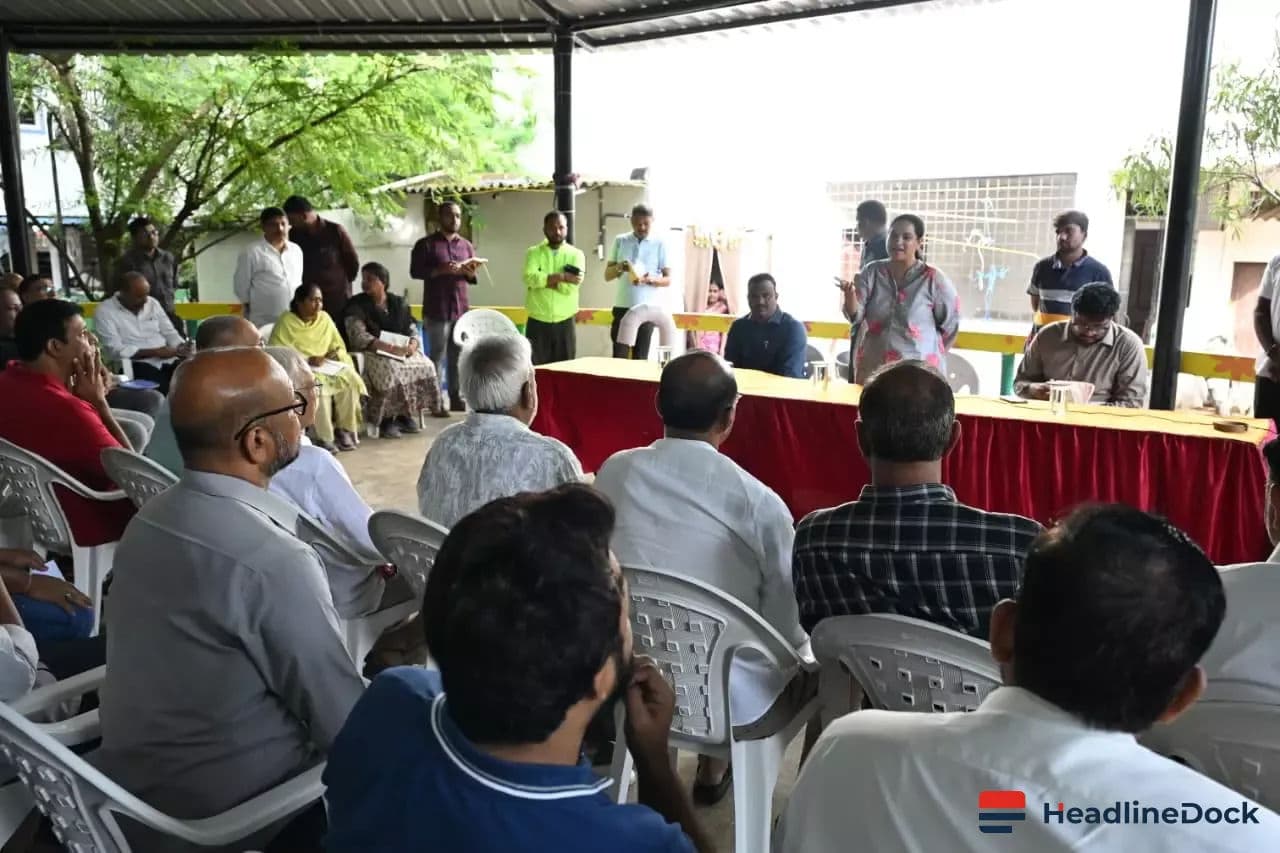
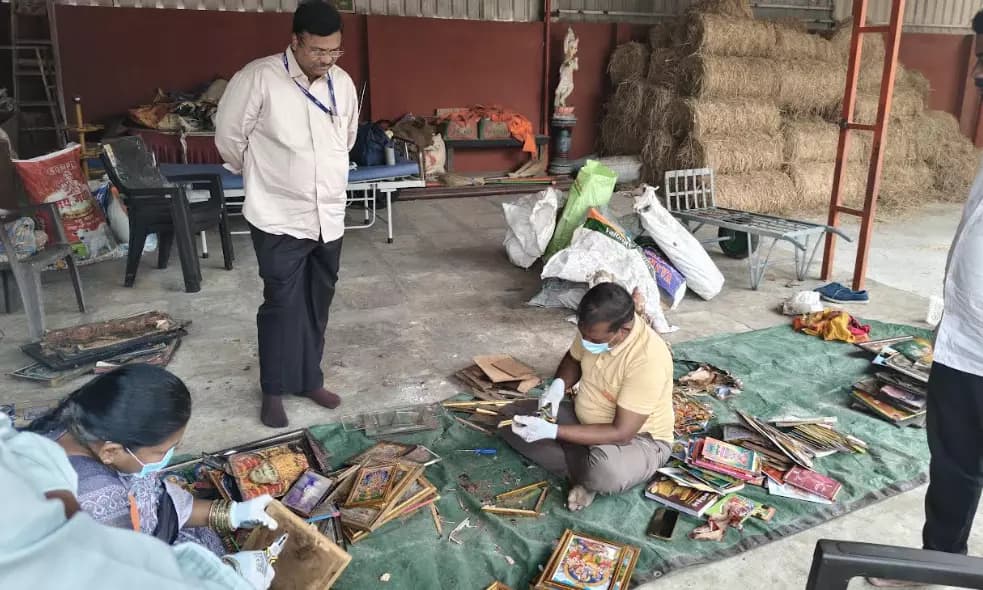
During the most recent edition of the Divine Waste Collection Drive, held at six locations across Hyderabad, approximately 150 citizens contributed a substantial amount of material. The drive successfully gathered 753 kg of items, which included 1,200 pooja frames, 84 deity idols, and 235 religious calendars or books. In total, over 1.25 tonnes of sacred waste have been processed through these three organized events. This recurring success highlights a clear public demand for a structured approach to religious waste.
Many citizens, such as Nitya Srinivasan from Kukatapally, have praised the initiative, noting the emotional and spiritual sentiments attached to these items. Frequently, people are uncertain about the appropriate disposal methods for damaged or old religious artifacts. This confusion often leads to items being left under trees or discarded in local lakes. By providing a dedicated space for these materials, the GHMC ensures that items are segregated and treated with the necessary reverence, eventually moving toward proper recycling methods.
Expanding Environmental Responsibility and Community Participation
The GHMC reported that the initiative has recorded 313 individual citizen drop-offs, with many participants actively collecting sacred items from their neighbors and local households to bring to the designated centers. This widespread public participation confirms that sacred waste collection is an essential service for the city. Temple management teams have also expressed support, noting that they often receive more items than they can manage, further underscoring the necessity for a professional disposal mechanism.
Moving forward, the municipal body plans to designate specific days for regular collection drives at various temples across the city. By partnering with non-governmental organizations, resident welfare groups, and local volunteers, the GHMC hopes to create a citywide ecosystem for handling religious materials. This project serves as a key component of the corporation's broader sustainability goals, which focus on developing formal disposal streams for diverse types of waste. By bridging environmental ethics with religious practices, the city aims to reduce the ecological impact of improperly discarded materials while maintaining the sanctity required by the community.