Generic Diabetes and Weight Loss Drugs Likely to Revolutionize Indian Healthcare
India’s diabetes and weight loss drug market is set to see a significant price drop as patents of leading drugs like Novo Nordisk's semaglutide expire this week. This will enable more than 40 companies to introduce over 50 new generic brands, making medications more affordable for millions of Indians struggling with these prevalent conditions.
Highlights
- •India’s diabetes and weight loss drug market is expected to see price drops in the coming months due to patent expirations.
- •More than 40 companies are gearing up to introduce over 50 new generic drugs, bringing prices down from about $10 billion to half that amount.
- •The availability of more affordable generics could increase the share of GLP-1 drugs in India’s market from around 4% to double figures within the next year and a half.
- •Companies like Dr Reddy’s, Sun Pharma, Eris, Zydus, Mankind, Alkem, MSN Laboratories, Intas Pharma, and Micro Labs are at the forefront of this transformation.
Medicine prices in India are set to see a significant change with the impending expiration of patents for leading diabetes and weight loss drugs, opening a floodgate for affordable generic alternatives.
Currently prevalent issues such as obesity and diabetes have led to an increased demand for medications that can manage these conditions. However, treatment costs have often been out of reach for many due to high-priced pharmaceuticals. This landscape is about to change thanks to an upcoming innovation in the market.
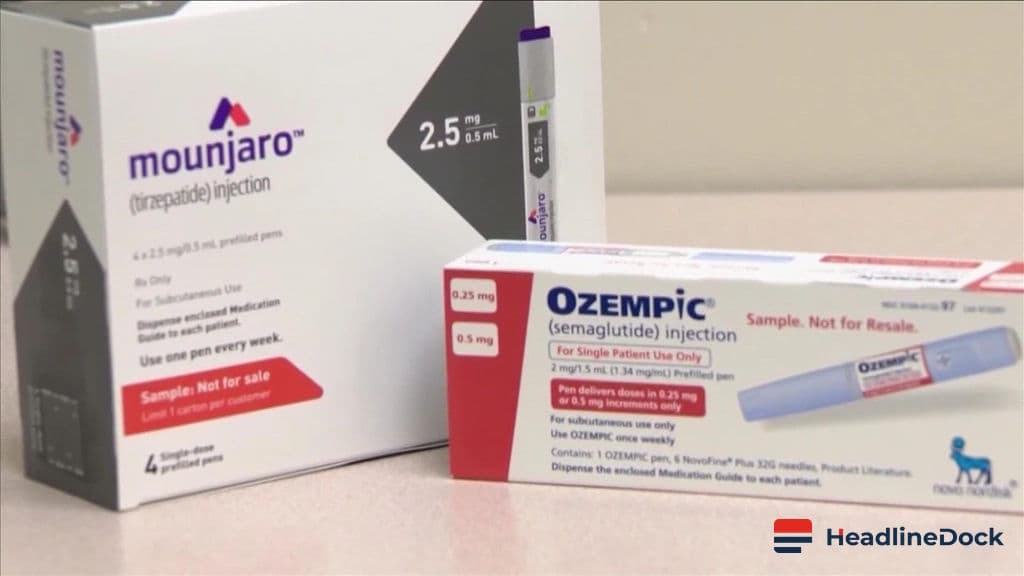
The patent of Novo Nordisk’s semaglutide drug, which manages both diabetes and weight loss, expires this week. The expiration will allow more than 40 Indian companies to introduce over 50 different brands as generic options. This move promises a substantial cut in treatment costs for millions of Indians suffering from conditions that previously were unaffordable.
Industry experts predict that the market in India could see its share for GLP-1 drugs increase from a current level of around 4% to double figures within the next year and a half. Factors critical to this transformation include robust cold-chain systems, high-quality devices, reliable networks of medical professionals, and innovative storage methods like injection alternatives and user-friendly technology.
Companies such as Dr Reddy’s, Sun Pharma, Eris, Zydus, Mankind, Alkem, MSN Laboratories, Intas Pharma, and Micro Labs are gearing up to bring low-cost versions of semaglutide. These players anticipate reaching major cities but also look forward to expanding their reach into smaller towns.
At present, generic GLP-1 drugs like Semaglutide could cost as little as half the price of original medications ($5 billion for a branded version compared to approximately $10 billion for Genentech’s Mounjaro), making healthcare more accessible and affordable. This shift is expected to create significant economic advantages for both patients on treatment, as well as for market players as they tap into the burgeoning demand in India's vast diabetic community.
The Indian anti-obesity drug market currently sits at around $1 billion. By the next phase of 2024-25, industry analysts predict this industry to reach between $4-5 billion and reach up to a staggering $8 billion by the end of the decade, providing substantial growth opportunities for low-cost generic drugs in this sector.
With such a promising future looming, companies are racing against time to adapt their manufacturing processes and cold-chain management systems. While optimism is high amidst the excitement from industry stakeholders, the success of these initiatives will heavily depend on proper implementation, especially ensuring that all health supply logistics remain optimal, and patient support services stay robust.
This potential revolution in Indian healthcare could have a profound impact on people's lives, potentially ending decades-long struggles with managing diabetes. By lowering prices through generic versions, the pharmaceutical industry is poised to bridge significant gaps in access to essential medications for life-altering conditions, underscoring its responsibility towards public health.