From Circus to Runway: How the Glam Clown Has Seized the Fashion Zeitgeist
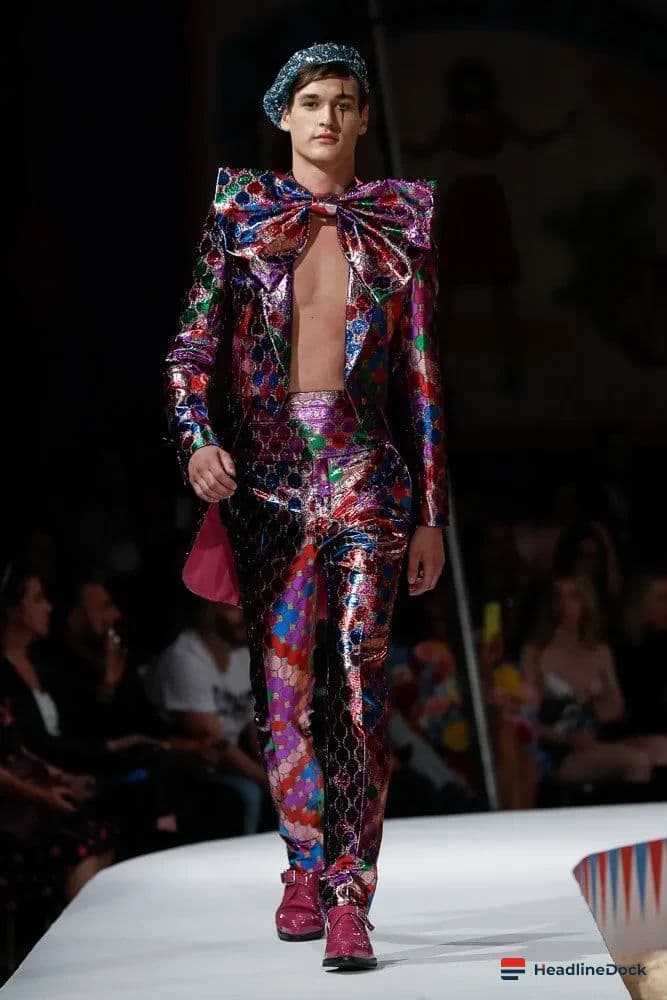
The glam clown aesthetic has moved from the circus to the runway, becoming a dominant fashion trend. By embracing exaggeration, absurdity, and theatrical spectacle, this style reflects the complexities of modern celebrity culture and provides a creative response to contemporary societal uncertainty.
Highlights
- •The glam clown trend merges high-fashion with theatrical exaggeration, spectacle, and performative artifice.
- •Historical figures like Joseph Grimaldi and Jean-Gaspard Deburau established the foundational visual language for clown-inspired aesthetics.
- •Modern iterations like 'clowncore' reflect societal instability by embracing bold, colorful, and intentionally absurd visual elements.
- •Celebrities like Lady Gaga and David Bowie have paved the way for blending fashion with clown-inspired grotesquerie.
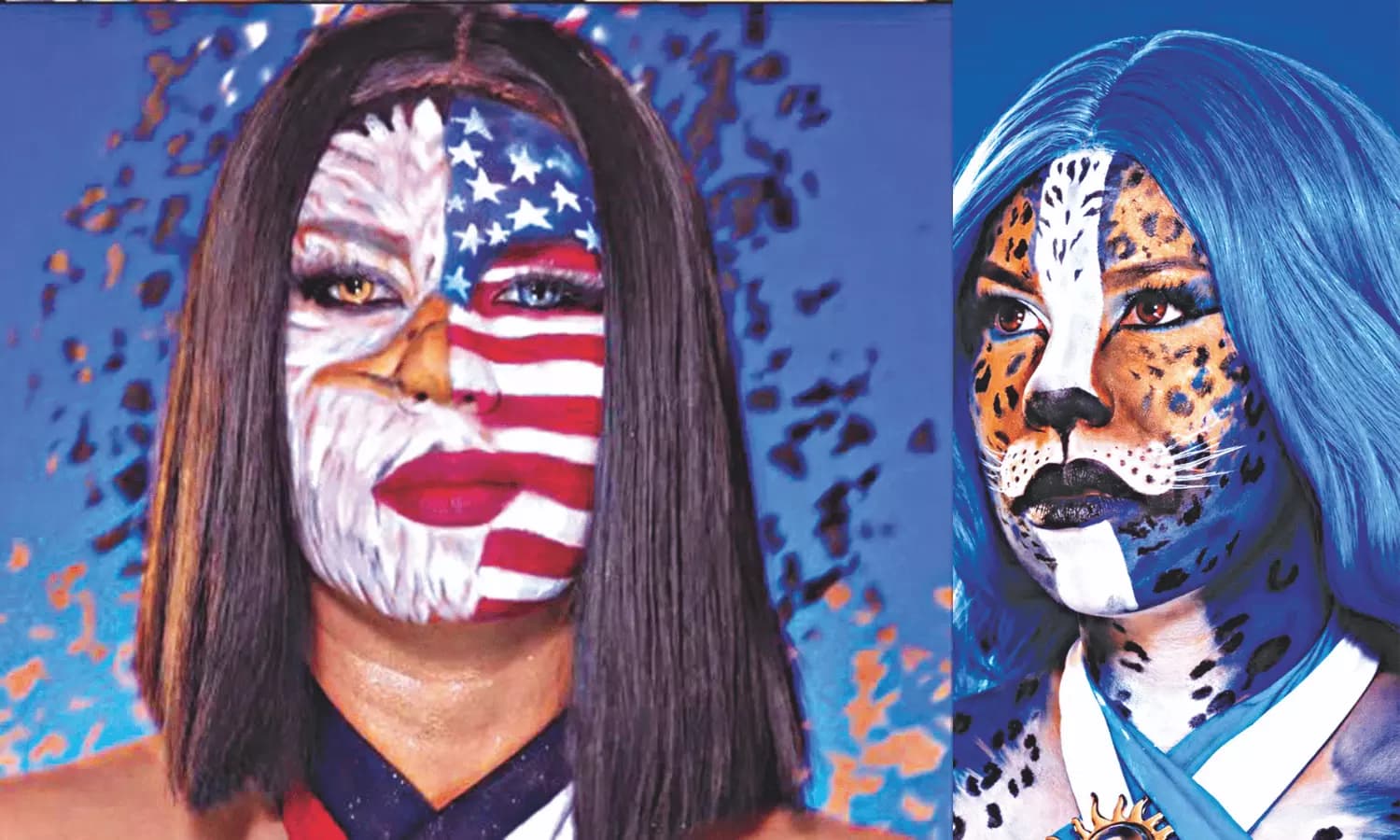
The glam clown aesthetic is officially having a moment, transitioning from its historical roots as a theatrical archetype to the forefront of the modern fashion zeitgeist. While clowns were once viewed as mere figures of comic relief or subversion, contemporary designers and celebrities are now embracing their hyperbolic, theatrical nature to challenge traditional notions of elegance and style.
Historically, figures such as the 19th-century French mime Jean-Gaspard Deburau and the famous British performer Joseph Grimaldi laid the groundwork for this visual language. Grimaldi, in particular, was renowned for his use of bold geometric patterns, exaggerated silhouettes, and dramatic makeup that effectively turned the human body into a spectacle. Today, this tradition of performative excess has been reimagined for a new era of glam clown fashion.
How the Glam Clown Reshapes Modern Fashion
The current fascination with glam clown aesthetics relies heavily on the marriage of high-fashion techniques with theatrical artifice. By prioritizing spectacle, playful absurdity, and maximalism, this trend rejects the restraint typically associated with luxury clothing. Notable public figures including Lady Gaga, Leigh Bowery, David Bowie, and Klaus Nomi have long navigated this intersection of fashion and performance, utilizing exaggerated forms to craft unique identities that blur the lines between glamour and the grotesque.
Fashion houses are now mirroring these techniques on the runway, presenting shows as immersive theatrical experiences rather than standard clothing displays. By incorporating masks, distorted proportions, and surreal styling, brands are creating a new visual vernacular where the model acts as a performance artist. This shift is particularly evident in the rise of clowncore and circus chic, trends that have gained traction for their ability to process and reflect the instability and uncertainty of contemporary life.
This rise of the glam clown in mainstream culture can also be attributed to the demands of modern celebrity, which thrives on visual provocation and shareable content. When public life feels increasingly like a series of stage-managed events, the exaggerated, colorful, and intentionally awkward nature of clowncore provides a cathartic outlet. It serves as a visual metaphor for the absurdity and contradictions of modern fame, where individuals are simultaneously elevated and mocked.
Ultimately, the glam clown serves as a poignant mirror for our times. By intentionally highlighting the artifice beneath what we consider glamorous, fashion is no longer just about beauty or refined taste. Instead, it has become a powerful tool for self-expression that embraces wit, transformation, and a knowing sense of theatricality. As these elements continue to permeate the industry, it is clear that the clown has moved from the periphery and firmly seized the fashion zeitgeist.