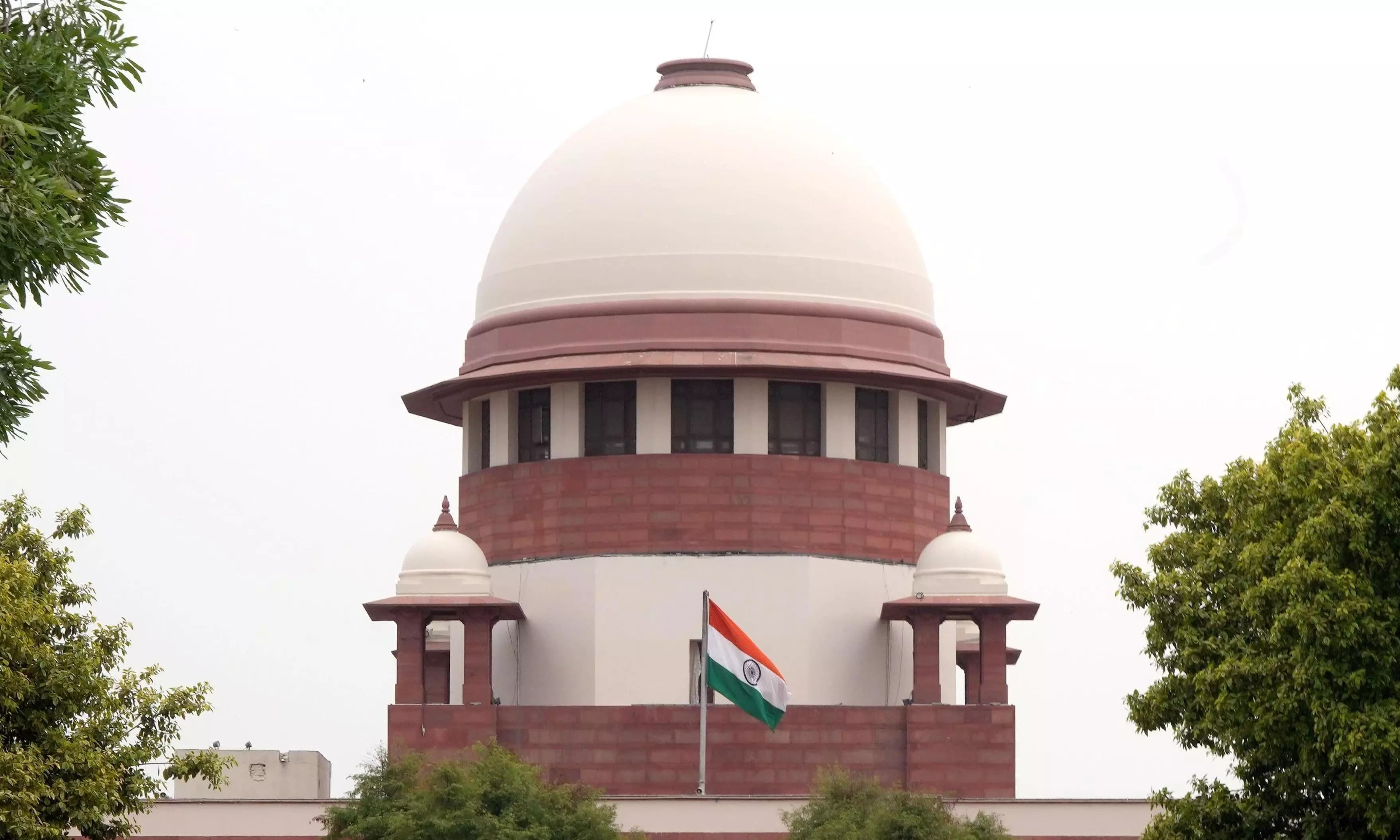
Former Maharashtra Minister Padamsinh Patil Acquitted in Nimbalkar Murder Case
A Mumbai special CBI court has acquitted former Maharashtra home minister Padamsinh Patil and seven others in the 2006 murder case of Congress leader Pawanraje Nimbalkar. The judge ruled that the prosecution failed to prove the conspiracy, citing unreliable testimony from the key approver.

Highlights
- •Special CBI court in Mumbai acquitted Padamsinh Patil and seven others.
- •The court dismissed the case due to lack of evidence and unreliable testimony from the approver.
- •The case involved the 2006 murder of Congress leader Pawanraje Nimbalkar and his driver.
- •The legal battle spanned 15 years, involving 128 witnesses and multiple transfers.
In a significant legal development, a special court in Mumbai has acquitted former Maharashtra home minister Padamsinh Patil and seven other individuals in the high-profile 2006 murder case of Congress politician Pawanraje Nimbalkar. The verdict marks the conclusion of a protracted judicial process spanning over a decade.
Presiding over the case, Special CBI court judge Satyanaryan Navandar delivered the judgment, citing a lack of substantial evidence. The court concluded that the prosecution failed to establish a coherent chain of conspiracy necessary to secure a conviction. The central pillar of the prosecution's argument, which relied heavily on the testimony of the accused-turned-approver Parasmal Jain, was ultimately discarded by the court as unreliable and insufficient to prove the events as alleged.
Background of the Nimbalkar Murder Case
The incident occurred on June 3, 2006, when Pawanraje Nimbalkar and his driver, Samad Kazi, were fatally shot while traveling in their car at Kalamboli, Navi Mumbai. Following the initial investigation by local police, the case was transferred to the Central Bureau of Investigation (CBI) by the Bombay High Court due to concerns regarding the trajectory of the probe. In 2009, Padamsinh Patil was arrested by the agency, which alleged that he orchestrated the crime driven by intense political and business rivalries.
Throughout the extensive 15-year trial, which commenced in 2011, the court examined testimony from 128 witnesses. Among those who appeared before the court was social activist Anna Hazare, who testified regarding threats he reportedly received from Padamsinh Patil. The trial faced several delays, including a move by the Supreme Court in 2012 to transfer the proceedings from Alibaug to Mumbai after reports that witnesses were becoming hostile.
The acquittal of Padamsinh Patil and his co-accused, including Latur-based businessman Satish Mandade and former excise inspector Mohan Shukla, brings an end to a long-standing legal battle. The court's decision highlights the critical nature of evidence integrity in criminal proceedings, particularly in cases relying on approver statements. The ruling underscores the challenge of proving complex criminal conspiracies in a court of law over a prolonged timeline.