Former Editor Faces Passport Delay After Name Removed from West Bengal Voter List
Former editor R Rajagopal is unable to renew his passport after his name was removed from West Bengal's electoral rolls during the Special Intensive Revision (SIR) process, highlighting broader concerns regarding citizen rights and administrative disenfranchisement in the region.
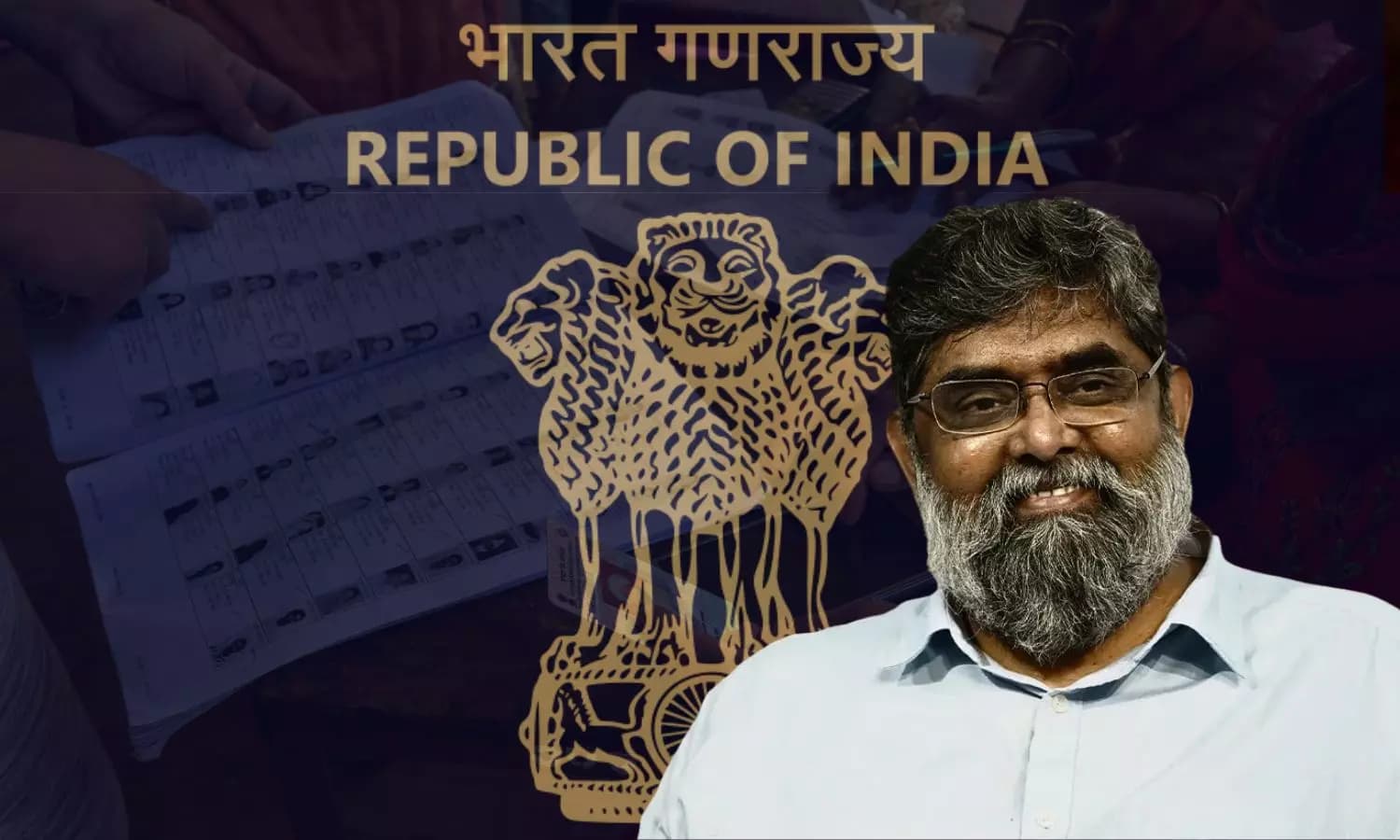
The former editor of The Telegraph, R Rajagopal, has publicly disclosed that his recent application for a passport renewal has faced significant obstacles. This administrative roadblock stems directly from his name being excluded from the electoral rolls in West Bengal, a development he links to the state's Special Intensive Revision (SIR) process. Currently, he finds himself in a difficult position, describing the ordeal as a period of civic uncertainty that has required extensive efforts to recover and verify long-standing family documentation.
According to Rajagopal, nearly 27 lakh residents in the state have experienced similar exclusions due to what authorities have termed logical discrepancies. Despite providing educational proof, such as his matriculation certificate, he has not received a formal justification for the deletion of his name. His formal appeal regarding this exclusion is currently awaiting a decision before a tribunal established under Supreme Court directives.
Impact of the Special Intensive Revision Process
The situation regarding his passport renewal remains critical, as police verification has not been cleared because his name is missing from the voters' list. Although Rajagopal completed his necessary biometric procedures on March 19, 2026, the absence of his name on the electoral rolls has halted the process. He emphasized that his intention in sharing this experience is not to cast himself as a victim, but rather to shed light on the systemic difficulties currently faced by ordinary citizens undergoing the Special Intensive Revision. He noted that if a journalist with his background faces such hurdles, the challenges for the marginalized population are likely far more severe.
This incident has ignited substantial political discourse, with various opposition figures identifying the Special Intensive Revision as a catalyst for the erosion of fundamental citizen rights. Congress Rajya Sabha MP Vivek Tankha remarked that the situation highlights a concerning level of irrationality, questioning the state of the rule of law. Similarly, Trinamool Congress (TMC) Rajya Sabha MP Sagarika Ghose characterized the account as deeply troubling, particularly when considering the limited resources available to the average citizen.
The CPI(M) has also voiced strong opposition, with General Secretary M A Baby alleging that the Special Intensive Revision is being utilized to disenfranchise voters. As legal battles continue, many petitioners maintain that their names were struck from the rolls or placed under adjudication despite presenting valid government-issued identity documents. The Supreme Court, while declining to halt the exercise entirely, has mandated the formation of appellate tribunals led by retired high court judges to address these widespread grievances across West Bengal.
,curated_key_highlights:[