Forest Protection Neglected Due To Lack Of Electoral Value, Says Expert
A memoir by retired IFoS officer Paresh Kumar Sharma argues that forest protection in India is failing due to a lack of political priority. He highlights systemic administrative gaps and calls for urgent, ground-level action to preserve natural ecosystems for future survival.
Highlights
- •Veteran officer Paresh Kumar Sharma highlights that forests suffer due to lack of electoral value.
- •The memoir reveals critical gaps between constitutional forest policies and actual field enforcement.
- •Forest departments currently suffer from severe shortages of manpower, funding, and legal resources.
- •The author urges youth and policymakers to prioritize direct field engagement to ensure environmental survival.
A recently published memoir by a veteran Indian Forest Service officer highlights the critical forest protection crisis in India, arguing that environmental concerns are frequently sidelined due to a lack of electoral weight. Retired officer Paresh Kumar Sharma, drawing on a 36-year career, asserts that while India has robust constitutional provisions and environmental regulations, the actual implementation on the ground remains deeply flawed.
The Gap Between Policy and Reality
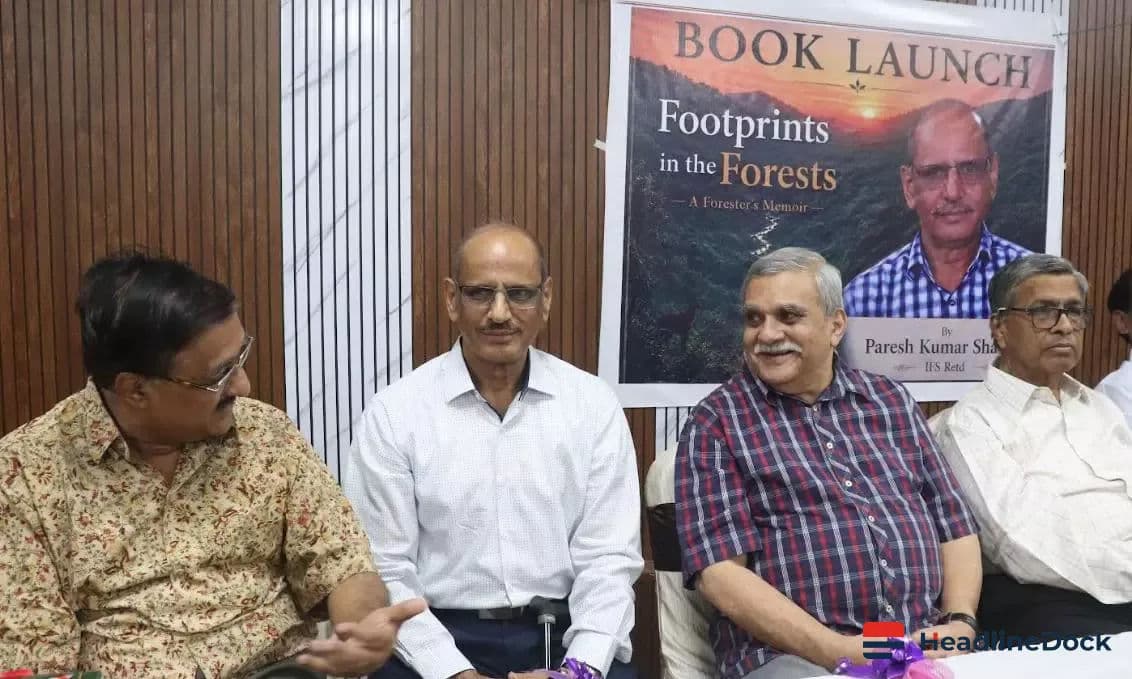
During the launch of his book, Footprints in the Forests: Memoirs of a Forester, in Hyderabad, Paresh Kumar Sharma emphasized that developmental projects often take precedence over the preservation of natural ecosystems. He noted that because tigers, monkeys, and forest cover cannot cast votes, they are often treated as secondary considerations by policymakers. This systemic negligence leaves vast forest tracts vulnerable to destruction.
The memoir details the immense challenges faced by personnel tasked with forest protection. According to the author, the forest department frequently operates without sufficient manpower, modern equipment, or the necessary legal backing to enforce existing laws effectively. He highlighted a scenario where a single official might be expected to secure up to 25 square kilometers of woodland, an impossible task without proper resources. This lack of institutional support directly undermines the national objective of expanding forest cover to 33 percent.
Field Experience and Future Direction
The concept of leaving "footprints" serves as a central theme of the work. Paresh Kumar Sharma explained that a true forester must physically enter the wilderness to provide leadership and guidance to subordinate staff. His accounts include time spent working in regions impacted by extremist activities, where he maintained his principled stance against intimidation. The book also touches upon the internal administrative frictions and professional challenges that often hinder an officer's ability to act in the best interests of the environment.
Addressing a broad audience—including civil service aspirants, environmental advocates, and youth—the author hopes the book will spark a shift in public consciousness. He warned that just as bottled water became a necessity over the past few decades, society risks facing a future where even clean air must be commodified if current levels of ecological destruction continue. The memoir calls for urgent reforms in forest governance, urging authorities to move beyond superficial support and transition toward tangible action. Ultimately, the message is clear: for any real change to occur in forest protection, stakeholders must prioritize direct, boots-on-the-ground engagement with nature rather than relying solely on policy documents in urban offices.