FIFA President Promises Review of Hydration Breaks for Future World Cups
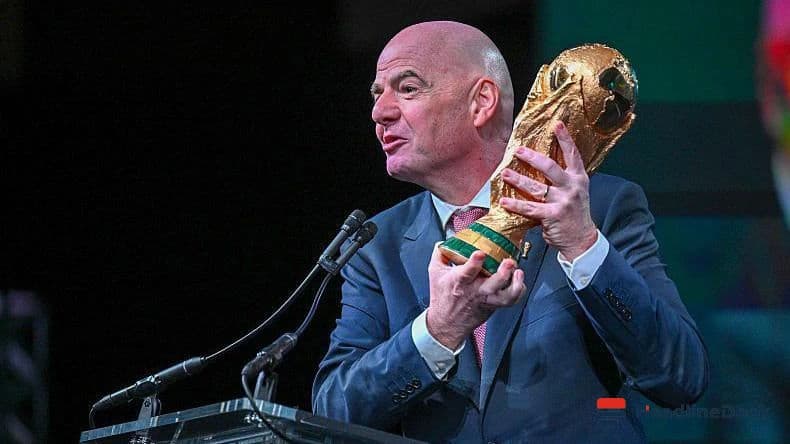
FIFA president Gianni Infantino has announced a review of mandatory hydration breaks following backlash from fans. While critics view them as disruptive, Infantino defends the pauses as essential for maintaining sporting equity and supporting player performance in high-intensity matches.
Highlights
- •FIFA is formally reviewing the use of mandatory hydration breaks for future World Cup tournaments.
- •President Gianni Infantino defended the breaks as a tool for fairness and player recovery during high-intensity matches.
- •The breaks have faced criticism from fans who feel they disrupt the flow of play and resemble commercial timeouts.
- •FIFA maintains that the decision was not financially motivated as broadcasting contracts were signed prior to the rule change.
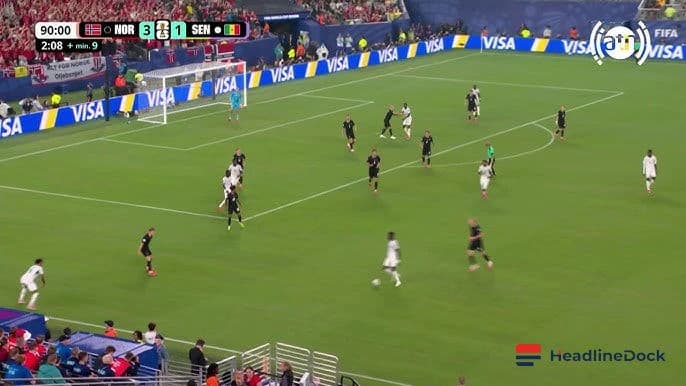
FIFA is currently evaluating the future of hydration breaks at upcoming World Cups, following a mixed reception during the current tournament. These mandatory stoppages, which occur midway through each half of play, have drawn criticism from some fans and observers who argue they disrupt the flow of matches.
Gianni Infantino, the president of the international soccer body, has defended the implementation of these pauses. He highlighted that they may provide added value for spectators and teams alike. During the current tournament, these breaks have become a standard procedure for every match, regardless of the specific climate or venue conditions, sparking debate across the global soccer community.
Assessing the Impact of Hydration Breaks
The core of the discussion revolves around whether these intervals serve a necessary function or if they are simply an unnecessary break in play. Infantino pointed out that the current tournament has witnessed matches played with exceptional intensity until the very final moments. He suggested that allowing players a brief period to rest and coaches a chance to reassess strategies might be contributing to this sustained performance level.
Furthermore, the official emphasized that implementing hydration breaks universally—rather than on a case-by-case basis depending on temperature—is a matter of sporting fairness. He argued that if teams were only granted these opportunities in hotter venues, it could create an inequitable environment for coaching staff and players alike, offering some teams advantages not available to others.
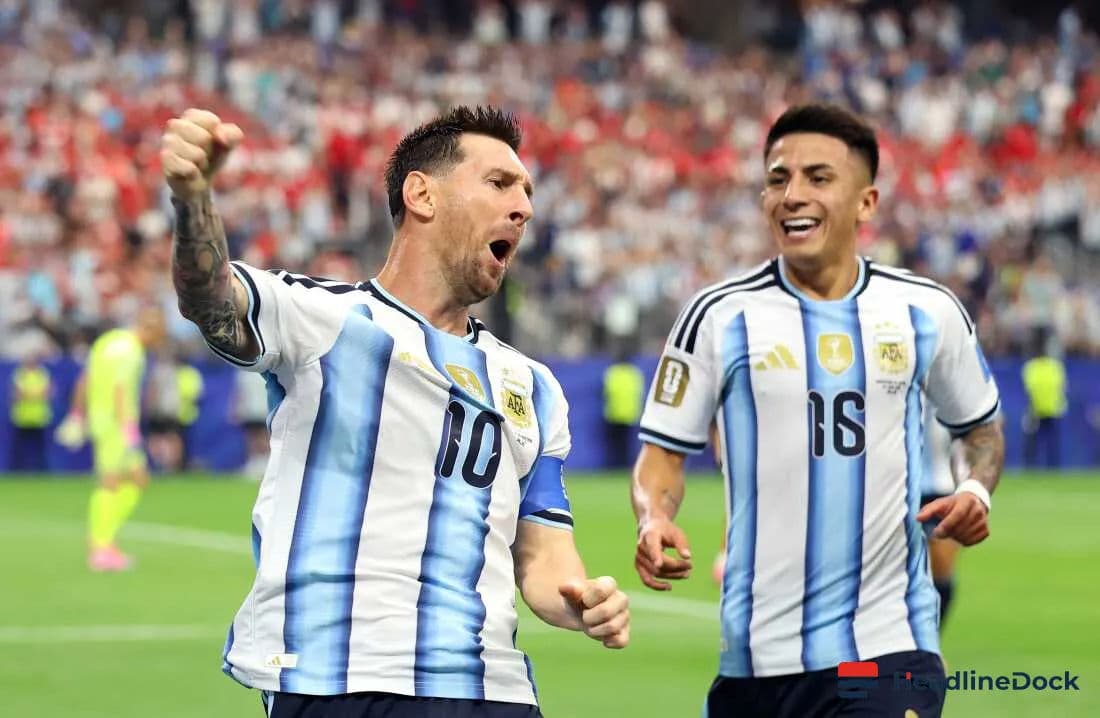
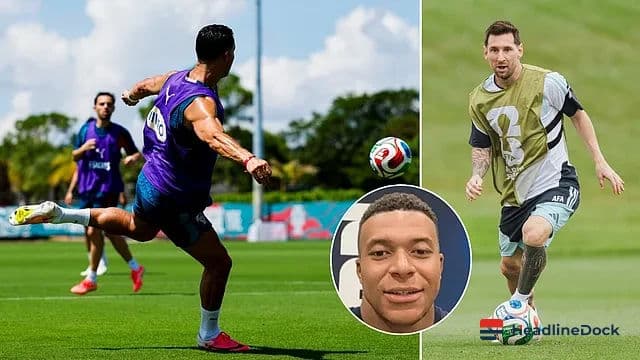
The tournament has already seen high-scoring games and impressive performances from world-class stars such as Lionel Messi, Kylian Mbappé, and Erling Haaland. Despite initial concerns regarding the expansion of the tournament from 32 to 48 teams, the quality of play has remained high, with surprising results from tournament debutants like Cape Verde and Curacao.
Future Considerations for Soccer Tournaments
While some critics have labeled the pauses as a subtle way to introduce advertising or resemble American-style timeouts, Infantino dismissed claims that they were motivated by financial gain. He clarified that all relevant media contracts were finalized well before the decision to implement the breaks was reached. Looking ahead, the governing body plans to conduct a thorough analysis of the data and fan feedback from this tournament to determine the best approach for future events.
As the competition continues, the conversation surrounding these intervals highlights the ongoing balance between player welfare, sporting integrity, and the entertainment value expected by fans worldwide. The findings from this review will likely shape future regulations for major international soccer championships.