Fertilizer Shortage Impacts U.S. Soil and Water Pollution Levels
A global fertilizer shortage is compelling U.S. farmers to reduce corn acreage, potentially easing environmental strain. Research suggests that legacy soil nutrients may maintain yields while reducing the runoff that causes harmful algal blooms and water pollution.
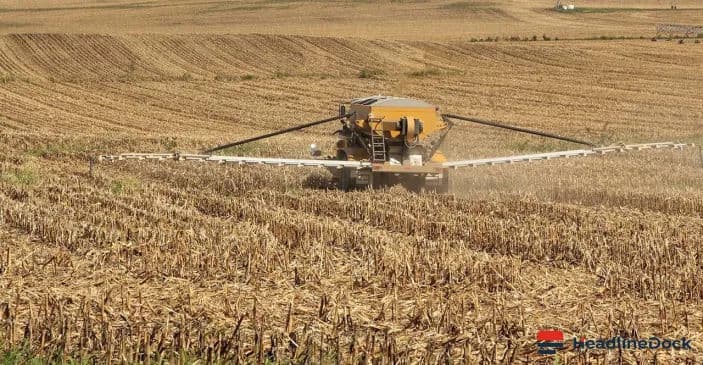
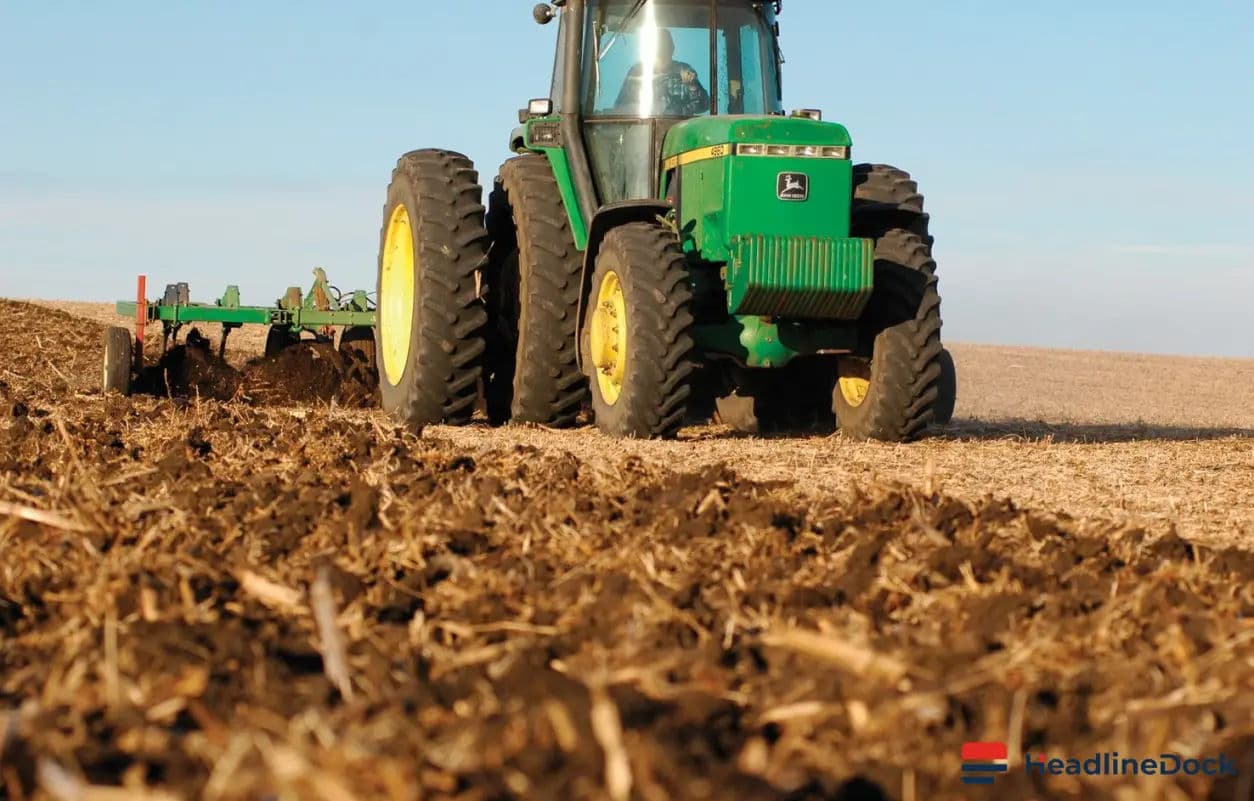
A global fertilizer shortage, triggered by disruptions in the Strait of Hormuz, is forcing major changes in American agriculture. Projections indicate that U.S. farmers will plant significantly fewer acres of corn in 2026 compared to the previous year. This shift is a direct response to the restricted access to essential raw materials and energy supplies necessary for the production and distribution of fertilizers.
While these supply chain challenges are widely viewed as a threat to global food security, experts in agricultural nutrient cycles suggest the situation offers a more complex and potentially beneficial environmental outlook. For decades, intensive farming practices have resulted in the accumulation of substantial nutrient reserves within the soil. In many cases, these legacy nutrients are sufficient to maintain crop yields even when current fertilizer applications are reduced.
Legacy Soil Nutrients and Environmental Impact
The historical overuse of nitrogen and phosphorus has left behind significant chemical stores in farmlands across the United States. Beyond benefiting crops during this current period of restricted supply, these excessive nutrient accumulations have historically contributed to environmental degradation. By leaching into groundwater or running off into surface waters, they have fueled harmful algal blooms and expanded coastal dead zones. Reducing synthetic inputs may provide a necessary reprieve for these ecosystems.
Research indicates that in highly intensive agricultural systems, cutting back on supplemental nutrients often has a negligible impact on total production. As the current crisis constrains the availability of conventional products, it forces a reliance on these latent soil reserves. This necessity could inadvertently lead to improved water quality in nearby streams and rivers, as lower application rates directly correlate to reduced environmental runoff.
Homegrown Solutions and Future Challenges
The ongoing fertilizer shortage is also prompting an exploration of more sustainable, localized alternatives. Livestock operations produce manure rich in essential plant nutrients. When processed through anaerobic digesters, this waste can be converted into a nutrient-dense slurry, which serves as an effective, homegrown fertilizer alternative. By adopting these methods, agricultural producers could decrease their dependence on volatile foreign markets while managing waste more efficiently.
However, the resilience of these soil buffers is not uniform. Fields that have not historically seen high levels of nutrient saturation may face genuine challenges in maintaining output. Similarly, regions such as sub-Saharan Africa, which lack existing soil reserves, remain critically dependent on steady fertilizer supplies to ensure food security. As the 2026 growing season progresses, the data will clarify the capacity of American soils to offset these shortages and determine if the reduction in synthetic inputs results in lasting environmental recovery for our vital waterways.