Favonio Wind Offers Brief Reprieve as Europe Prepares for Returning Heatwave
A refreshing favonio wind has temporarily broken the extreme heat in the southern Alps, but meteorologists warn of a rapid return to high temperatures. As Europe faces persistent heatwaves, officials are highlighting the link to climate change while planning for long-term heat mitigation and energy security.
KEY TAKEAWAYS
1 MIN READ- The favonio wind has provided a temporary drop in temperatures across the southern Alps.
- A new high-pressure system is expected to bring temperatures back to 33 degrees Celsius by next week.
- Government officials acknowledge that recent heatwaves are linked to broader climate change trends.
- Experts emphasize the need for better urban planning and heat mitigation for vulnerable populations.
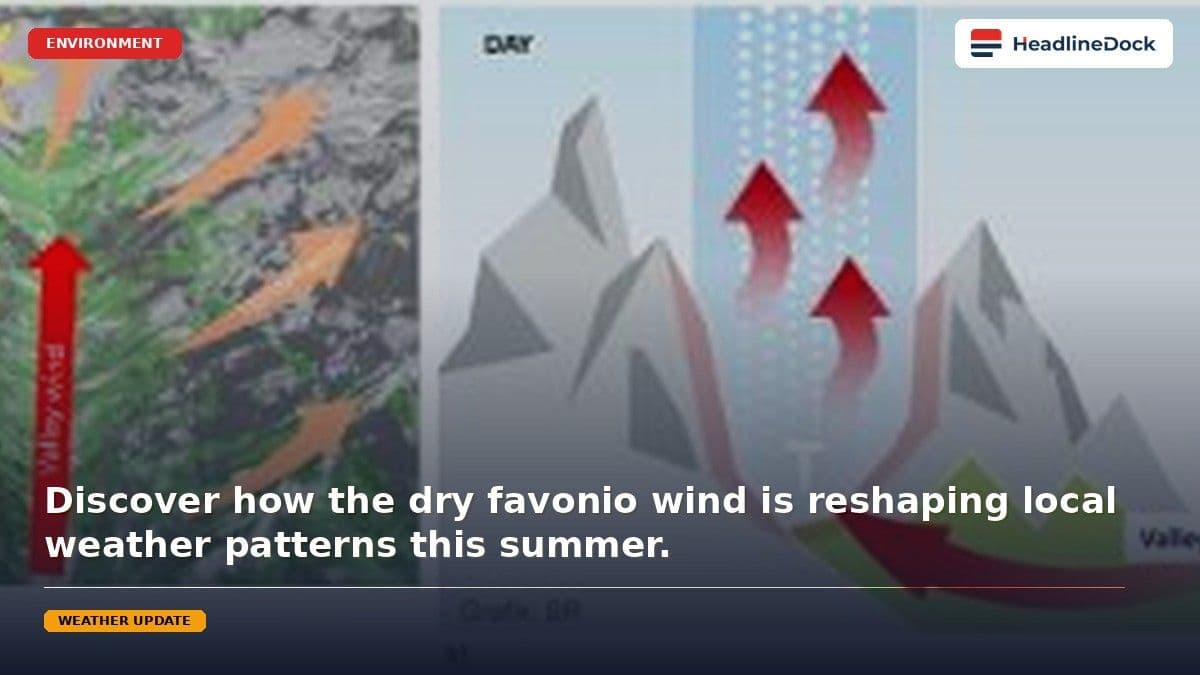
After a period of intense and record-breaking heat across Europe, the appearance of the favonio wind has provided a temporary, albeit short-lived, reprieve for the southern regions of the Alps. This dry, warm wind, known for its ability to clear the skies, successfully interrupted the recent heatwave, leading authorities to lift weather alerts in the affected areas. However, meteorologists warn that this relief will be fleeting as a new, robust high-pressure system is expected to arrive from the Atlantic, bringing soaring temperatures back to the region.
The Impact of the Favonio Wind
The recent meteorological shift was caused by a high-altitude trough that passed over the Alps earlier this week, triggering thunderstorms and facilitating the descent of the favonio. This phenomenon effectively replaced the stagnant, hot air mass with drier, clearer air, causing temperatures in the Ticino and Basso Moesano regions to drop significantly. Where locals had previously faced extreme heat, with daily highs reaching 33 to 35 degrees Celsius, the cooling effect of the wind pushed temperatures down below the 30-degree mark.
Despite this momentary cooling, experts anticipate that the respite will not last long. Starting early next week, the region is bracing for a return to stable and sweltering conditions. Predictions indicate that areas below 600 meters in central-southern Ticino could once again see temperatures peaking between 32 and 33 degrees Celsius. While the favonio will continue to keep the air dry and morning lows comfortable—likely between 15 and 20 degrees—the heat intensity during the day will persist.
Climate Change and Public Response
This summer's weather patterns have ignited a broader discussion regarding the influence of climate change on regional weather extremes. Government officials have acknowledged that the persistent heat waves are clear indicators of a changing climate, stressing the importance of urban planning and initiatives to create more green spaces. While there is a recognized need to address these environmental shifts through decarbonization and increased reliance on renewable energy, there is also a call to avoid alarmism during typical summer temperature fluctuations.
The situation serves as a stark reminder of the challenges faced by vulnerable populations, particularly the elderly, as severe heat events become more frequent. As the region prepares for another stretch of high temperatures through mid-July, the focus remains on ensuring energy security and implementing measures to mitigate the risks associated with extreme heat. For now, the favonio continues to provide the only barrier against the relentless buildup of heat as the new anticylone settles over Europe.