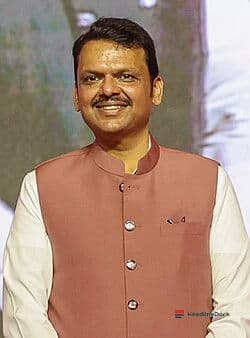
Fadnavis: Action Can Be Taken Against Glorification Of Drugs In Films
Maharashtra Chief Minister Devendra Fadnavis has announced that authorities will take strict action against the glorification of drugs in films. This comes as part of a major crackdown on narcotics networks, which includes the dismissal of corrupt police officers and enhanced anti-drug enforcement strategies across the state.
Highlights
- •Chief Minister Devendra Fadnavis confirmed that legal action can be taken against the glorification of drugs in films under existing regulations.
- •The government has adopted a “Whole of Government Approach” with 15 departments collaborating to dismantle narcotics supply chains.
- •Mumbai Police successfully extradited international trafficker Salim Dola, who managed illegal MD production units across four Indian states.
- •New anti-narcotics squads will be established in police stations, with strict dismissal policies for officers involved in drug rackets.
Maharashtra Chief Minister Devendra Fadnavis recently addressed the critical issue of the glorification of drugs in films, affirming that the state government is prepared to take stringent action against such depictions. This statement comes as part of a broader, intensified crackdown on narcotics across the state, aimed at curbing the growing drug menace that has sparked significant concern among legislative members.
Tackling Narcotics and Illegal Content
The state government has implemented a “Whole of Government Approach,” unifying 15 different departments to dismantle narcotics trafficking networks. During a discussion in the Legislative Assembly, Devendra Fadnavis clarified that existing rules allow authorities to register complaints and initiate proceedings against content that glamorizes substance abuse. This initiative targets the normalization of drug use in media, ensuring that the entertainment industry remains accountable for its influence on society.
Highlighting the severity of the enforcement measures, the Chief Minister confirmed that police officers found to be involved in drug trafficking are being dismissed from service rather than merely facing suspension. This zero-tolerance policy is designed to clean up the ranks and rebuild public trust in law enforcement agencies tasked with combating the drug trade.
Extradition and Anti-Narcotics Strategy
In a major success for the Mumbai Police, international drug trafficker Salim Dola was successfully extradited following the issuance of a Red Corner Notice. Investigations revealed that Salim Dola was instrumental in establishing synthetic drug manufacturing units across Maharashtra, Madhya Pradesh, Karnataka, and Telangana, with an estimated production of 4,000 kg of MD. Authorities have since successfully dismantled these criminal operations.
To bolster ongoing efforts, the government plans to establish specialized anti-narcotics squads in every police station. Officers assigned to these units will be offered incentives and preferred postings to maintain high morale and effectiveness. Furthermore, the state is prioritizing public safety by encouraging the use of informants, guaranteeing their anonymity while providing rewards for actionable intelligence. As part of this comprehensive strategy, Devendra Fadnavis indicated that the government would urge the Brihanmumbai Municipal Corporation to set up free rehabilitation and de-addiction facilities in Mumbai to support those recovering from drug dependency.
Despite these measures, legislators such as Sunil Prabhu of the Shiv Sena (UBT) and Jayant Patil of the NCP (SP) expressed concerns regarding the persistence of open drug sales in various localities. They highlighted the need for even stricter oversight to ensure that rogue elements within the police force are held accountable for any involvement in facilitating illegal activities.