EPFO 3.0: Easing PF Withdrawals with ATM Access and Tax Rules
EPFO 3.0 introduces ATM access for PF withdrawals making the financial process more convenient and faster for subscribers while ensuring current tax rules remain unchanged regardless of individual service duration.
Highlights
- •- Immediate use of ATM cards to withdraw PF balance at any time
- •- Up to 75% withdrawal option in case of urgent needs like medical or home construction expenses
- •- Tax rules will stay the same ensuring individuals are familiar with current taxation terms for withdrawals
- •- Subscribers with 5 years or more of service will see tax-free withdrawals
EPFO 3.0 is set to bring a significant transformation in the Employees' Provident Fund (PF) system, ensuring greater convenience for subscribers.
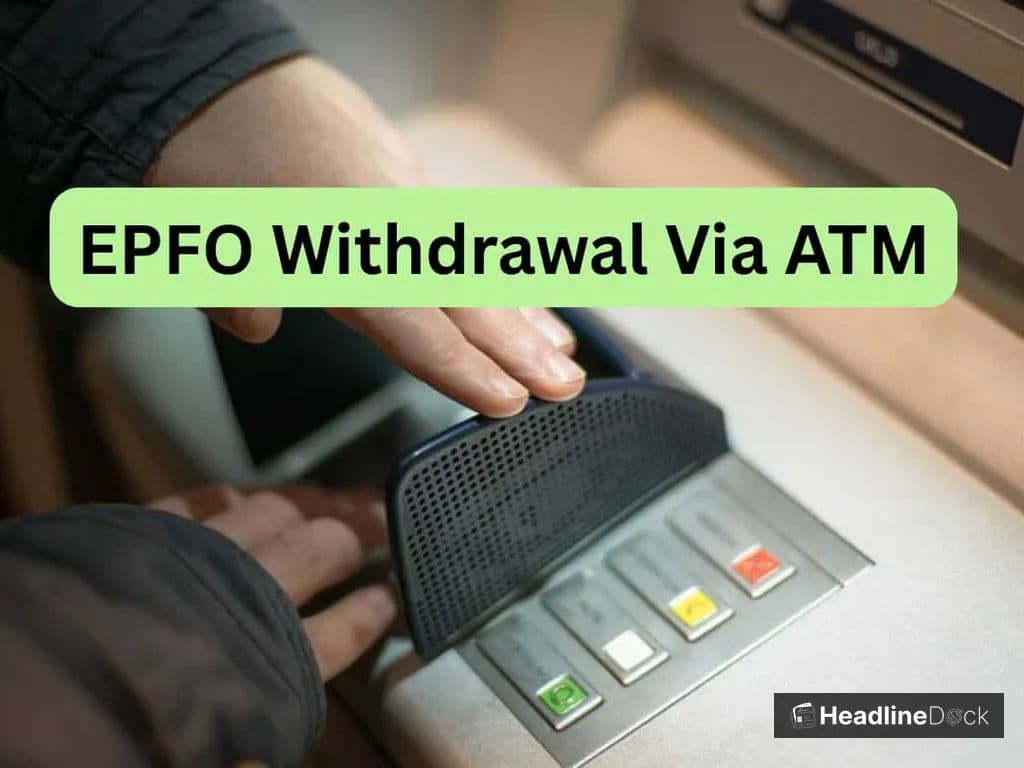
The EPFO aims to simplify access to one’s PF balance by allowing immediate cash withdrawals through ATM cards without the need to wait weeks as previously done.
Experts predict that this update will grant customers more control over their finances. The ATM card provided with the PF account can be used like a regular debit card, offering quick and efficient withdrawal options.
In emergencies such as medical expenses, home construction, or unemployment, EPFO 3.0 allows you to withdraw up to 75% of your total PF balance right away, making the process smoother for urgent financial needs.
EPFO has set a limit on immediate withdrawal amounts which is anticipated to be between Rs 1 to 2 lakh per transaction. Despite the enhanced convenience brought by this new system, tax regulations remain unchanged; EPFO will adhere to the current tax rules as per your service duration.
A key aspect of this update is that while withdrawals are now more convenient, taxes will still apply in accordance with past standards, contingent on the duration you have been a PF subscriber.
For individuals who remain with EPFO for at least 5 years, all withdrawal processes including taxes will be tax-free. For subscribers who may not meet this requirement before retirement or leaving the job, there are provisions to include any withdrawn amount in their total income and subsequently tax it using their applicable brackets.